THE ADVENTURE COLLECTIVE® · Independent discovery and booking for outdoor travel

Cross the High Atlas and descend into the Sahara on this private tour from Marrakech, moving through kasbahs, gorges, and palm-lined valleys before a sunset camel ride into the dunes. Expect long drives, local culture, and a night in a desert camp under vast stars.
Cross the High Atlas and descend into the Sahara on this private tour from Marrakech, moving through kasbahs, gorges, and palm-lined valleys before a sunset camel ride into the dunes. Expect long drives, local culture, and a night in a desert camp under vast stars.
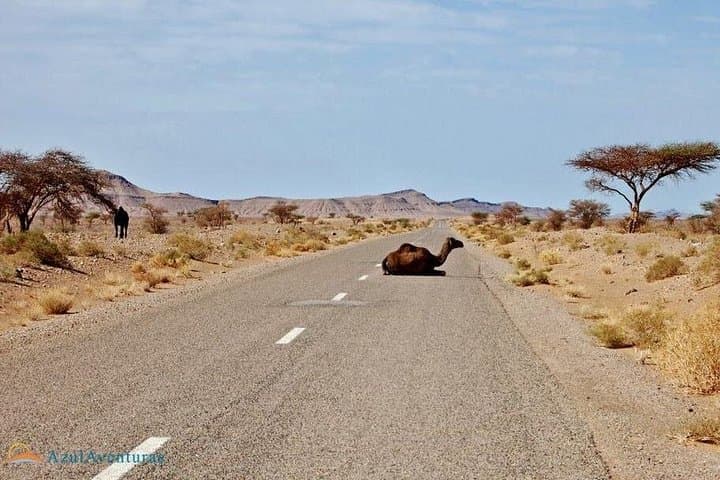
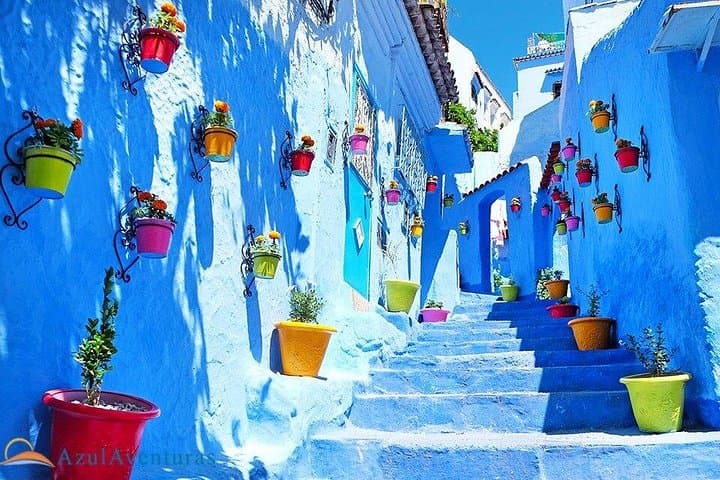
You leave Marrakech before dawn and the Atlas takes the first of your worries: the pass narrows, the road chisels into rock, and sunlight slants across ochre kasbahs as you move east. By late afternoon the landscape has simplified—palm groves blanketing riverbeds, the Draa Valley’s adobe villages clinging to terraced slopes, and finally the quiet, wave-like ridges of Erg Chebbi.
Verified experiences and guided adventures in the surrounding area.
Operated by Azul Aventuras · Merzouga, Drâa-Tafilalet
You leave Marrakech before dawn and the Atlas takes the first of your worries: the pass narrows, the road chisels into rock, and sunlight slants across ochre kasbahs as you move east. By late afternoon the landscape has simplified—palm groves blanketing riverbeds, the Draa Valley’s adobe villages clinging to terraced slopes, and finally the quiet, wave-like ridges of Erg Chebbi.
This route stitches centuries of Berber history, colonial trade routes, and Hollywood location shoots into a short, kinetic story. Aït Benhaddou’s earthen towers and Ouarzazate’s film studios speak to architecture that adapted to scarce water and heat; the Todra Gorge exposes vertical limestone carved by persistent streams; the dunes are wind-made geology in slow motion. Local communities around Merzouga keep camel-handling and music traditions alive—expect rhythmic drumming and tagine meals under open sky.
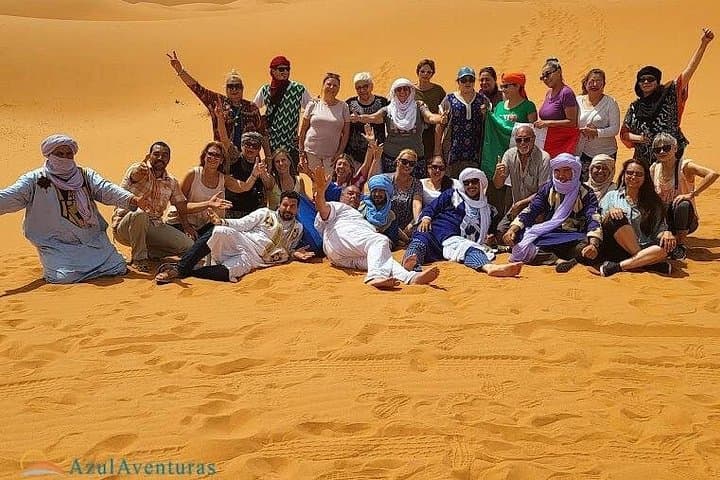
Practically, the trip is long-distance driving interspersed with short hikes, village stops, and a late-afternoon camel saddle to reach a private desert camp. Expect dusty tracks, a slow camel pace that lets you watch light change on the sand, and cold desert nights even after hot days. Bring layered clothing, strong sun protection, and a small daypack for cameras, water, and personal items. Hydrate before the camel transfer, wear closed shoes for dune walks, and plan for early rises and scenic pull-offs rather than long technical hikes. The reward is simple: a horizon that keeps shifting color, quiet that insists you slow down, and nights under a wide, unfiltered sky.
Camel treks to the camp typically last 1–2 hours depending on the camp’s location and sunset timing.
The tour advertises accessibility for many passengers, but camel riding requires mounting assistance; contact the operator for specific needs and vehicle-access arrangements.
Guests stay in private luxury-style desert tents with beds and meals provided—expect basic but comfortable facilities and shared wash areas at some camps.
Standard travel insurance that covers medical evacuation and baggage is recommended; check routine vaccinations and consult health advisories for Morocco before travel.
Azul Aventuras operates guided outdoor trips and adventures with an emphasis on safety, stewardship, and memorable experiences.
You leave Marrakech before dawn and the Atlas takes the first of your worries: the pass narrows, the road chisels into rock, and sunlight slants across ochre kasbahs as you move east. By late afternoon the landscape has simplified—palm groves blanketing riverbeds, the Draa Valley’s adobe villages clinging to terraced slopes, and finally the quiet, wave-like ridges of Erg Chebbi.
You leave Marrakech before dawn and the Atlas takes the first of your worries: the pass narrows, the road chisels into rock, and sunlight slants across ochre kasbahs as you move east. By late afternoon the landscape has simplified—palm groves blanketing riverbeds, the Draa Valley’s adobe villages clinging to terraced slopes, and finally the quiet, wave-like ridges of Erg Chebbi.
This route stitches centuries of Berber history, colonial trade routes, and Hollywood location shoots into a short, kinetic story. Aït Benhaddou’s earthen towers and Ouarzazate’s film studios speak to architecture that adapted to scarce water and heat; the Todra Gorge exposes vertical limestone carved by persistent streams; the dunes are wind-made geology in slow motion. Local communities around Merzouga keep camel-handling and music traditions alive—expect rhythmic drumming and tagine meals under open sky.
Practically, the trip is long-distance driving interspersed with short hikes, village stops, and a late-afternoon camel saddle to reach a private desert camp. Expect dusty tracks, a slow camel pace that lets you watch light change on the sand, and cold desert nights even after hot days. Bring layered clothing, strong sun protection, and a small daypack for cameras, water, and personal items. Hydrate before the camel transfer, wear closed shoes for dune walks, and plan for early rises and scenic pull-offs rather than long technical hikes. The reward is simple: a horizon that keeps shifting color, quiet that insists you slow down, and nights under a wide, unfiltered sky.