THE ADVENTURE COLLECTIVE® · Independent discovery and booking for outdoor travel

Follow a classic southern route from Fes to Marrakech across cedar forests, the Ziz Valley, Erg Chebbi’s dunes, Todra Gorge and Ait Ben Haddou. Expect long drives, a sunset camel ride, a night under the stars in a Berber camp, and dramatic mountain passes.
Follow a classic southern route from Fes to Marrakech across cedar forests, the Ziz Valley, Erg Chebbi’s dunes, Todra Gorge and Ait Ben Haddou. Expect long drives, a sunset camel ride, a night under the stars in a Berber camp, and dramatic mountain passes.
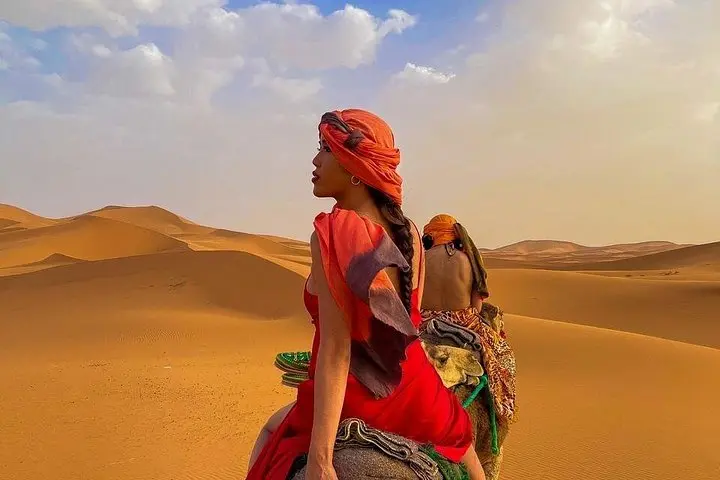
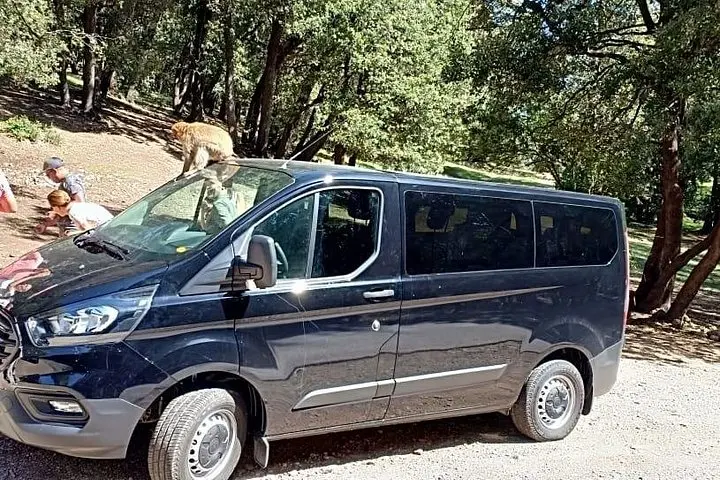
The morning air in the Middle Atlas bites cool as the minivan peels out of Fes, and by afternoon the landscape has changed from cedar-green to ochre—sand dunes rising like a slow-moving sea. In Merzouga, camels kneel and the guide offers mint tea; dusk melts the Erg Chebbi into a palette of rust and gold.
Verified experiences and guided adventures in the surrounding area.
Operated by Tilila Travel · Merzouga, Errachidia
The morning air in the Middle Atlas bites cool as the minivan peels out of Fes, and by afternoon the landscape has changed from cedar-green to ochre—sand dunes rising like a slow-moving sea. In Merzouga, camels kneel and the guide offers mint tea; dusk melts the Erg Chebbi into a palette of rust and gold.
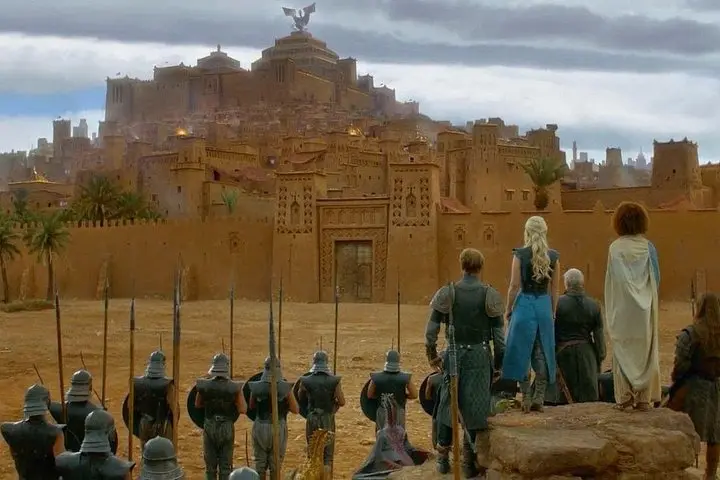
This three-day route threads through Morocco’s geological and cultural seams: cedar forests around Ifrane and Azrou where Barbary macaques move through pines; the Ziz Valley carved where rivers cut the High Atlas; the narrow, towering walls of Todra Gorge; and the thousand kasbahs of Dades before passing Ait Ben Haddou’s earthen fortifications and the Tizi n’Tichka pass (about 2,260 m).
Historically these roads linked caravan routes and Berber settlements; today villages still practice rose cultivation and argan production in traditional cooperatives. The dunes of Erg Chebbi are wind-sculpted—mobile sand that shifts with seasonal winds—while the Atlas uplift explains the sudden change from river valleys to desert.
Practical edge: expect long driving sections (first day can approach 8–9 hours with stops) balanced by short hikes and a 1–2 hour camel transfer at sunset and sunrise. Nights in a Berber camp are cold even after hot days—pack insulating layers, sun protection, and a headlamp. Bring cash for cooperatives and tips; charge electronics during hotel stops. If you want the best light, plan the Merzouga camp for sunrise and allocate time at Todra for canyon walks. The trip is accessible to most fit travelers but involves basic camel trekking and uneven paths—respect local guidance and hydrate frequently.
The typical camel transfer from Merzouga village to the camp is 1–2 hours total (sunset or sunrise legs), depending on pace and the camp location.
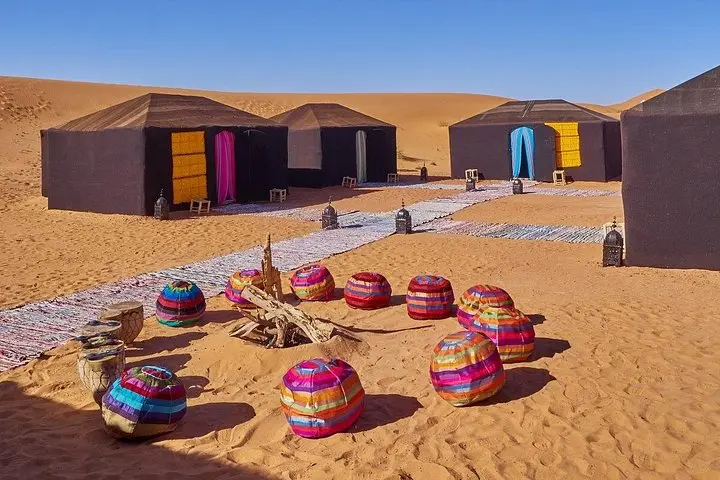
Basic chemical or shared camp facilities are usually provided; full hot showers are typically available at riads before and after the desert night.
Children can join but camel rides and uneven surfaces make it less suitable for people with significant mobility limitations—check with operator about infant seats and accessibility options.
Travel insurance that covers medical evacuation is recommended; no special permits are generally required for standard tourist routes.
Tilila Travel operates guided outdoor trips and adventures with an emphasis on safety, stewardship, and memorable experiences.
The morning air in the Middle Atlas bites cool as the minivan peels out of Fes, and by afternoon the landscape has changed from cedar-green to ochre—sand dunes rising like a slow-moving sea. In Merzouga, camels kneel and the guide offers mint tea; dusk melts the Erg Chebbi into a palette of rust and gold.
The morning air in the Middle Atlas bites cool as the minivan peels out of Fes, and by afternoon the landscape has changed from cedar-green to ochre—sand dunes rising like a slow-moving sea. In Merzouga, camels kneel and the guide offers mint tea; dusk melts the Erg Chebbi into a palette of rust and gold.
This three-day route threads through Morocco’s geological and cultural seams: cedar forests around Ifrane and Azrou where Barbary macaques move through pines; the Ziz Valley carved where rivers cut the High Atlas; the narrow, towering walls of Todra Gorge; and the thousand kasbahs of Dades before passing Ait Ben Haddou’s earthen fortifications and the Tizi n’Tichka pass (about 2,260 m).
Historically these roads linked caravan routes and Berber settlements; today villages still practice rose cultivation and argan production in traditional cooperatives. The dunes of Erg Chebbi are wind-sculpted—mobile sand that shifts with seasonal winds—while the Atlas uplift explains the sudden change from river valleys to desert.
Practical edge: expect long driving sections (first day can approach 8–9 hours with stops) balanced by short hikes and a 1–2 hour camel transfer at sunset and sunrise. Nights in a Berber camp are cold even after hot days—pack insulating layers, sun protection, and a headlamp. Bring cash for cooperatives and tips; charge electronics during hotel stops. If you want the best light, plan the Merzouga camp for sunrise and allocate time at Todra for canyon walks. The trip is accessible to most fit travelers but involves basic camel trekking and uneven paths—respect local guidance and hydrate frequently.