THE ADVENTURE COLLECTIVE® · Independent discovery and booking for outdoor travel

Three days across Erg Chigaga with camel rides, a fixed bivouac and a night in a mobile nomad camp. Expect long drives, sand dunes, Berber hospitality and dramatic day–night temperature swings.
Three days across Erg Chigaga with camel rides, a fixed bivouac and a night in a mobile nomad camp. Expect long drives, sand dunes, Berber hospitality and dramatic day–night temperature swings.
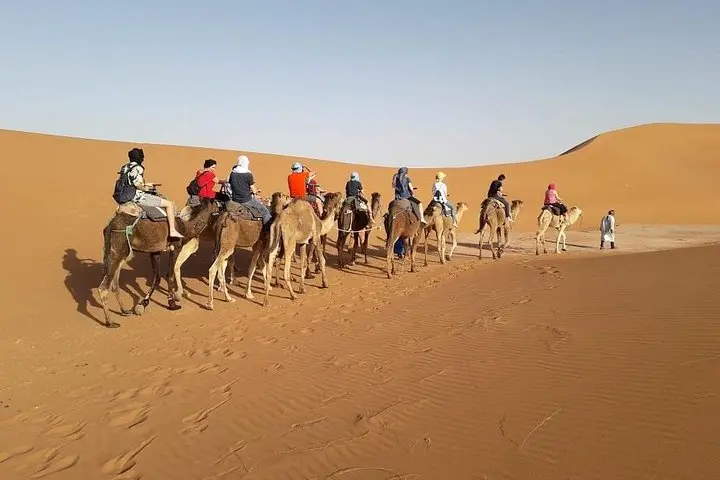
A low sun slants over rolling orange ridges as the 4x4 eases off the track and the desert opens — a landscape that breathes, shifts and challenges with every gust. Travelers arrive from Zagora and step into a world where dunes rise like slow-moving waves and silence is broken only by the hiss of sand underfoot and the soft sway of a camel’s gait.
Verified experiences and guided adventures in the surrounding area.
Operated by Tours _ Caravane Cimes et Dunes · Zagora, Drâa-Tafilalet
A low sun slants over rolling orange ridges as the 4x4 eases off the track and the desert opens — a landscape that breathes, shifts and challenges with every gust. Travelers arrive from Zagora and step into a world where dunes rise like slow-moving waves and silence is broken only by the hiss of sand underfoot and the soft sway of a camel’s gait.
This three-day journey traverses Erg Chigaga, formed by wind and ancient riverbeds, and visits tamarix groves near seasonal Iriqui wetlands. The region carries Berber layers of history: trade routes, nomadic families, and pottery villages that supplied caravans. Geologically, the dunes are younger than the rocky plateaus nearby, migrating with prevailing winds and reshaping routes season to season. Evenings center on communal fire, Berber songs and home-cooked tagines — cultural threads that have kept desert life together for centuries.
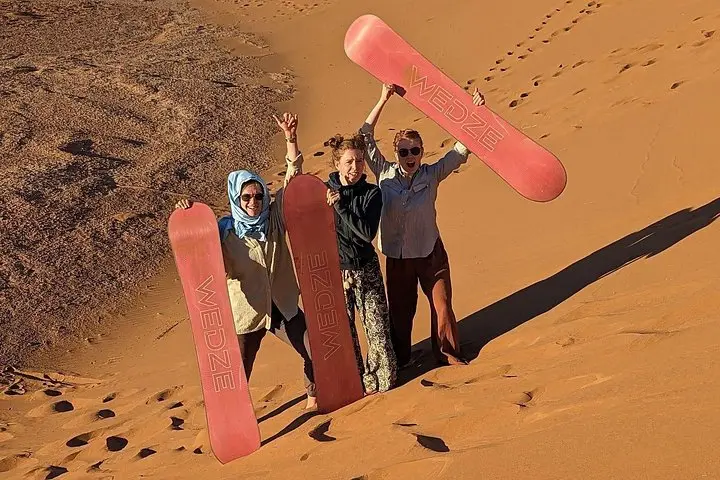
Practically, expect long driving days (8–10 hours including stops), a two-hour camel trek, time to sandboard and two different camps: one fixed bivouac and one mobile nomad camp with basic showers and shared toilets. Temperatures swing widely from blazing midday to chilly nights; layers and sun protection are mandatory. Hydrate proactively, pace dune walks conservatively, and respect local customs — photography requests and camp etiquette matter. Guides manage navigation and safety, but this trip rewards patience: watch for oryx on the horizon and let the desert’s scale recalibrate your sense of time.
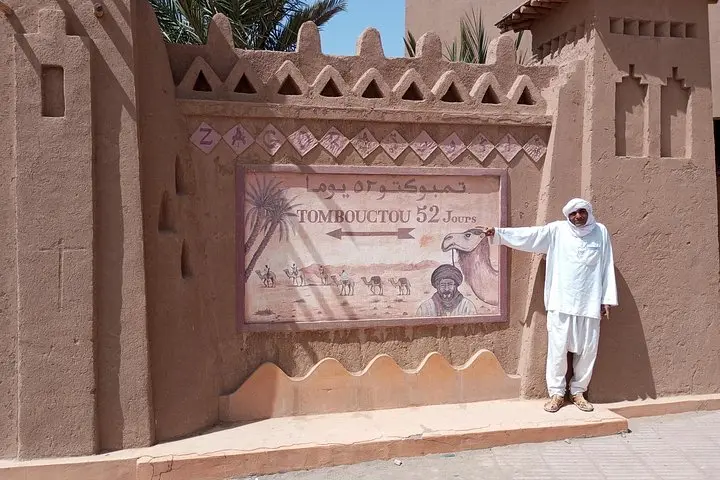
The standard pick-up is Zagora, with options to arrange departures from Marrakech or Ouarzazate on request; exact pick-up points are confirmed at booking.
One night is in a comfortable fixed bivouac camp with beds, sheets and shared facilities; one night is in a mobile nomad camp with simple beds, blankets and shaded common areas.
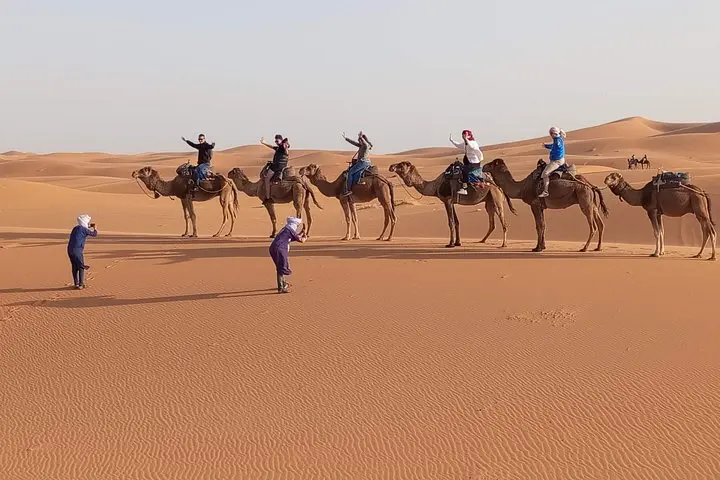
Yes—there is a traditional camel tour of about two hours included during the itinerary for authentic desert travel and photography opportunities.
The itinerary is rated suitable for general fitness levels, but long drives, sand walking and camel mounting can be difficult for very young children or people with serious mobility limitations.
Tours _ Caravane Cimes et Dunes operates guided outdoor trips and adventures with an emphasis on safety, stewardship, and memorable experiences.
A low sun slants over rolling orange ridges as the 4x4 eases off the track and the desert opens — a landscape that breathes, shifts and challenges with every gust. Travelers arrive from Zagora and step into a world where dunes rise like slow-moving waves and silence is broken only by the hiss of sand underfoot and the soft sway of a camel’s gait.
A low sun slants over rolling orange ridges as the 4x4 eases off the track and the desert opens — a landscape that breathes, shifts and challenges with every gust. Travelers arrive from Zagora and step into a world where dunes rise like slow-moving waves and silence is broken only by the hiss of sand underfoot and the soft sway of a camel’s gait.
This three-day journey traverses Erg Chigaga, formed by wind and ancient riverbeds, and visits tamarix groves near seasonal Iriqui wetlands. The region carries Berber layers of history: trade routes, nomadic families, and pottery villages that supplied caravans. Geologically, the dunes are younger than the rocky plateaus nearby, migrating with prevailing winds and reshaping routes season to season. Evenings center on communal fire, Berber songs and home-cooked tagines — cultural threads that have kept desert life together for centuries.
Practically, expect long driving days (8–10 hours including stops), a two-hour camel trek, time to sandboard and two different camps: one fixed bivouac and one mobile nomad camp with basic showers and shared toilets. Temperatures swing widely from blazing midday to chilly nights; layers and sun protection are mandatory. Hydrate proactively, pace dune walks conservatively, and respect local customs — photography requests and camp etiquette matter. Guides manage navigation and safety, but this trip rewards patience: watch for oryx on the horizon and let the desert’s scale recalibrate your sense of time.