THE ADVENTURE COLLECTIVE® · Independent discovery and booking for outdoor travel

A coastal day-hike across Sai Kung Peninsula that links white-sand beaches, mangroves and Hakka villages. Expect about 10km of mixed trails, optional swims and local beach-side dining.
A coastal day-hike across Sai Kung Peninsula that links white-sand beaches, mangroves and Hakka villages. Expect about 10km of mixed trails, optional swims and local beach-side dining.
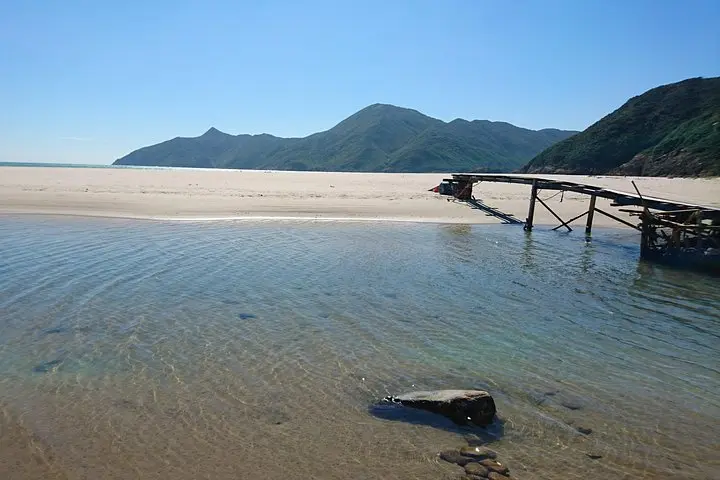
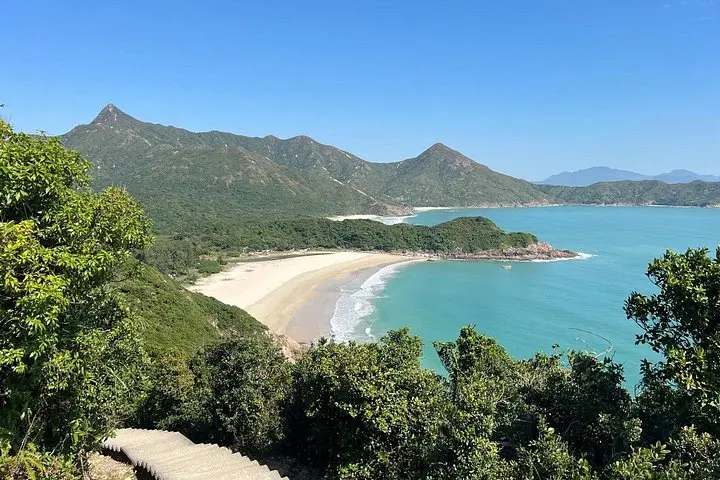
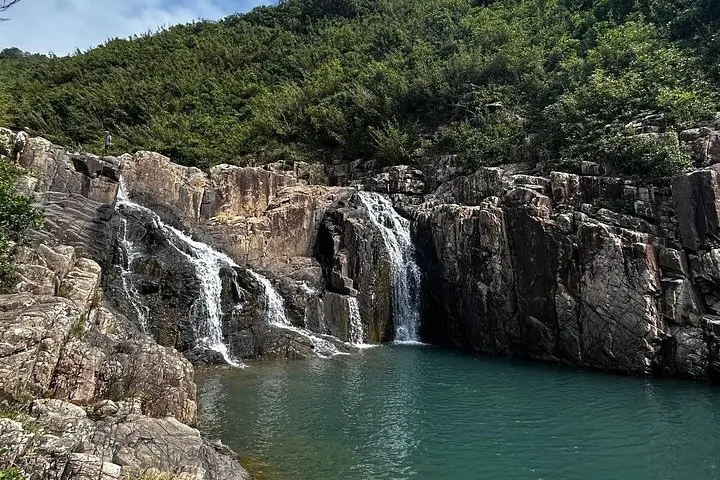
You step off the minibus and the air shifts: salt, pine resin and warm rock. The trail threads through a band of tropical secondary forest before opening to a coastline of white sand and waves that dare you into the China Sea. Overhead black kites wheel; below, mangrove roots portrait the tide line. This is Sai Kung East Country Park — ten or so kilometres of coastal paths, bamboo copses, old Hakka villages and hidden waterfalls stitched together with rock-cut ridgelines.
Verified experiences and guided adventures in the surrounding area.
Operated by Hong Kong a la carte · Sai Kung, New Territories
You step off the minibus and the air shifts: salt, pine resin and warm rock. The trail threads through a band of tropical secondary forest before opening to a coastline of white sand and waves that dare you into the China Sea. Overhead black kites wheel; below, mangrove roots portrait the tide line. This is Sai Kung East Country Park — ten or so kilometres of coastal paths, bamboo copses, old Hakka villages and hidden waterfalls stitched together with rock-cut ridgelines.
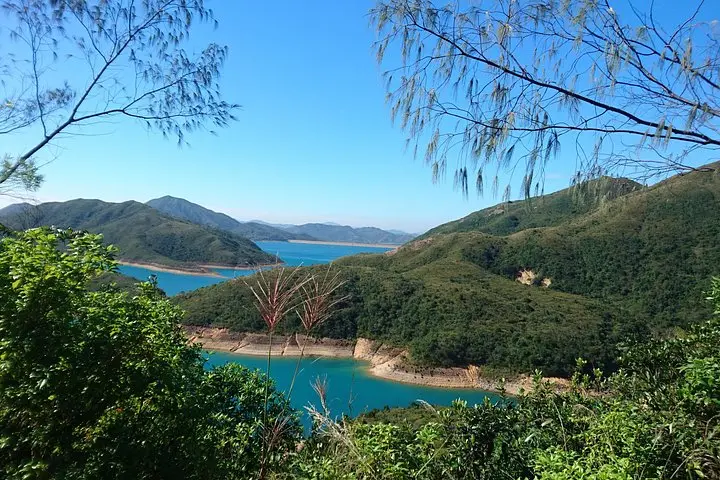
Geology here is visible and blunt: columnar joints and volcanic tuffs at High Island tell of ancient eruptions, while later shorelines carved coves and sandbars. Culturally the area retains fishing villages and small farming plots; Yim Tin Tsai’s salt-pan history and Catholic chapel are short detours off the main track. Local guides often pair the walk with a beach lunch and a chance to swim where currents are mild.
Practically, expect 10km of mixed singletrack, stone steps and short steep pitches — roughly 4–6 hours including breaks, longer with beach time. Wear sturdy hiking shoes, carry 2–3L of water, sun protection and a light rain shell in summer (typhoon season is May–October). Trails are well marked but mobile reception varies; follow your guide, keep to designated paths to protect intertidal reefs, and leave no trace. Public transport or a private taxi can get you back to Sai Kung town where restaurants and seafood markets wait. For a day of varied terrain, rewards are sweeping bays, quiet coves and the steady company of the sea.
No, lunch is not included; guides typically stop at a beach-side restaurant where you can buy local seafood or snacks.
The route is moderate: about 10km with some short steep sections and uneven terrain; suitable for walkers with basic hiking experience.
Yes—swimming is optional at selected beaches but always follow your guide’s safety advice and avoid swimming after heavy rain or during strong currents.
Guides commonly organize a taxi or advise on public transport; alternatively return on scheduled minibuses from main trailheads into Sai Kung.
Hong Kong a la carte operates guided outdoor trips and adventures with an emphasis on safety, stewardship, and memorable experiences.
You step off the minibus and the air shifts: salt, pine resin and warm rock. The trail threads through a band of tropical secondary forest before opening to a coastline of white sand and waves that dare you into the China Sea. Overhead black kites wheel; below, mangrove roots portrait the tide line. This is Sai Kung East Country Park — ten or so kilometres of coastal paths, bamboo copses, old Hakka villages and hidden waterfalls stitched together with rock-cut ridgelines.
You step off the minibus and the air shifts: salt, pine resin and warm rock. The trail threads through a band of tropical secondary forest before opening to a coastline of white sand and waves that dare you into the China Sea. Overhead black kites wheel; below, mangrove roots portrait the tide line. This is Sai Kung East Country Park — ten or so kilometres of coastal paths, bamboo copses, old Hakka villages and hidden waterfalls stitched together with rock-cut ridgelines.
Geology here is visible and blunt: columnar joints and volcanic tuffs at High Island tell of ancient eruptions, while later shorelines carved coves and sandbars. Culturally the area retains fishing villages and small farming plots; Yim Tin Tsai’s salt-pan history and Catholic chapel are short detours off the main track. Local guides often pair the walk with a beach lunch and a chance to swim where currents are mild.
Practically, expect 10km of mixed singletrack, stone steps and short steep pitches — roughly 4–6 hours including breaks, longer with beach time. Wear sturdy hiking shoes, carry 2–3L of water, sun protection and a light rain shell in summer (typhoon season is May–October). Trails are well marked but mobile reception varies; follow your guide, keep to designated paths to protect intertidal reefs, and leave no trace. Public transport or a private taxi can get you back to Sai Kung town where restaurants and seafood markets wait. For a day of varied terrain, rewards are sweeping bays, quiet coves and the steady company of the sea.