THE ADVENTURE COLLECTIVE® · Independent discovery and booking for outdoor travel

Explore the contrast between Ho Chi Minh City’s colonial boulevards and the labyrinthine Cu Chi Tunnels in a full‑day private tour. Expect museums, historic sites, and an up‑close look at the wartime tunnel network with a local guide.
Explore the contrast between Ho Chi Minh City’s colonial boulevards and the labyrinthine Cu Chi Tunnels in a full‑day private tour. Expect museums, historic sites, and an up‑close look at the wartime tunnel network with a local guide.
You step out of a cool, air‑conditioned van into a strip of scorched earth and waist‑high elephant grass; the guide’s voice drops as they describe how this patch of land became an underground city. The day moves between two tempos: the tight, dark corridors of Cu Chi that compress time and the broad boulevards of central Saigon where French colonial facades and buzzing motorbikes push the present forward.
Verified experiences and guided adventures in the surrounding area.
Operated by Indochina Trails · Ho Chi Minh City, Ho Chi Minh
You step out of a cool, air‑conditioned van into a strip of scorched earth and waist‑high elephant grass; the guide’s voice drops as they describe how this patch of land became an underground city. The day moves between two tempos: the tight, dark corridors of Cu Chi that compress time and the broad boulevards of central Saigon where French colonial facades and buzzing motorbikes push the present forward.
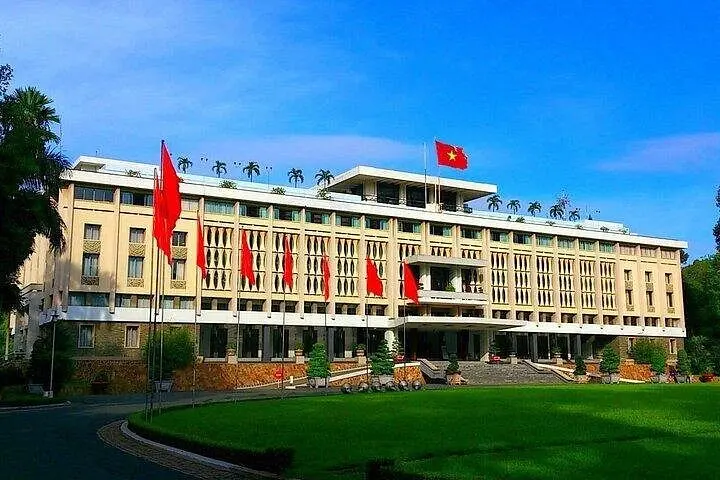
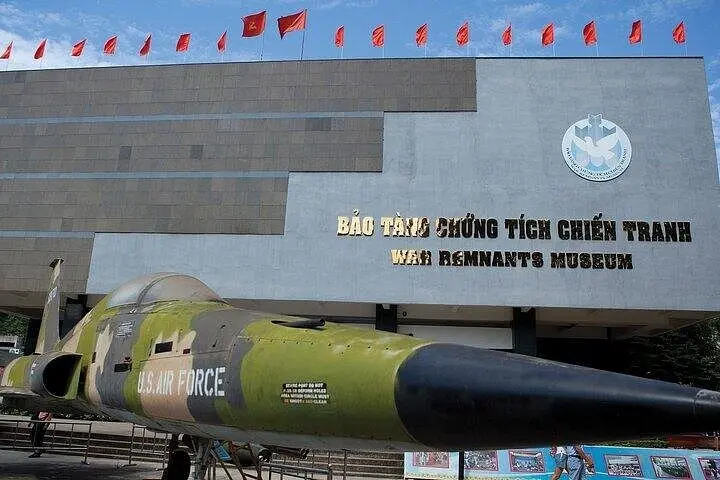
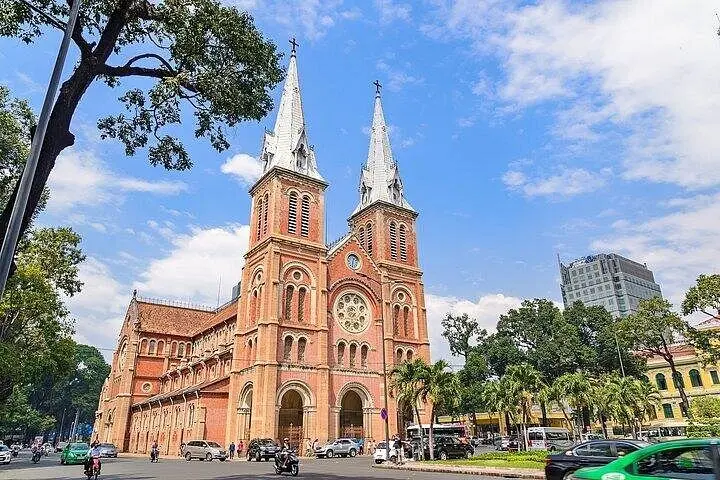
Cu Chi’s tunnels were carved and expanded by Viet Cong fighters during the wars of the 20th century — a multi‑level network of narrow galleries, kitchens, and hidden chambers that illustrate improvisation under siege. In Saigon, the Independence Palace, War Remnants Museum, Notre‑Dame Cathedral and Central Post Office trace layers of colonial architecture, wartime memory and rapid urban transformation.
Geology here is flat alluvium of the Mekong’s lower delta, which made digging tunnels feasible but also prone to damp and flooding; the landscape around Cu Chi is marked by paddy fields and small canals that still shape rural rhythms.
Practical guidance: this is a long, guided day (about 9–10 hours) with several short walks and some stooping if you choose to enter reconstructed tunnels. Wear closed shoes, bring sun protection, and carry Vietnamese dong for small purchases. Expect a mix of indoor museum spaces and outdoor stops; meals are typically local Vietnamese lunch in transit. Book a private day for flexibility on pace and timing, and follow your guide’s safety instructions if you enter any narrow tunnel sections.
The tour is family‑friendly but tunnel access involves low, narrow passages; most operators offer viewing sections or enlarged tunnels for safer access—check with the guide in advance.
This itinerary lists entrance fees, lunch, bottled water, transport and an English‑speaking guide as included—confirm specifics at booking as policies can vary.
Pickup and drop‑off are generally at hotels in District 1 (central Ho Chi Minh City); specify your pickup point when booking.
Yes—operator notes vegetarian meals are possible with advance notice, so indicate dietary needs when you book.
Indochina Trails operates guided outdoor trips and adventures with an emphasis on safety, stewardship, and memorable experiences.
You step out of a cool, air‑conditioned van into a strip of scorched earth and waist‑high elephant grass; the guide’s voice drops as they describe how this patch of land became an underground city. The day moves between two tempos: the tight, dark corridors of Cu Chi that compress time and the broad boulevards of central Saigon where French colonial facades and buzzing motorbikes push the present forward.
You step out of a cool, air‑conditioned van into a strip of scorched earth and waist‑high elephant grass; the guide’s voice drops as they describe how this patch of land became an underground city. The day moves between two tempos: the tight, dark corridors of Cu Chi that compress time and the broad boulevards of central Saigon where French colonial facades and buzzing motorbikes push the present forward.
Cu Chi’s tunnels were carved and expanded by Viet Cong fighters during the wars of the 20th century — a multi‑level network of narrow galleries, kitchens, and hidden chambers that illustrate improvisation under siege. In Saigon, the Independence Palace, War Remnants Museum, Notre‑Dame Cathedral and Central Post Office trace layers of colonial architecture, wartime memory and rapid urban transformation.
Geology here is flat alluvium of the Mekong’s lower delta, which made digging tunnels feasible but also prone to damp and flooding; the landscape around Cu Chi is marked by paddy fields and small canals that still shape rural rhythms.
Practical guidance: this is a long, guided day (about 9–10 hours) with several short walks and some stooping if you choose to enter reconstructed tunnels. Wear closed shoes, bring sun protection, and carry Vietnamese dong for small purchases. Expect a mix of indoor museum spaces and outdoor stops; meals are typically local Vietnamese lunch in transit. Book a private day for flexibility on pace and timing, and follow your guide’s safety instructions if you enter any narrow tunnel sections.