THE ADVENTURE COLLECTIVE® · Independent discovery and booking for outdoor travel

Explore Saigon’s lesser-known corners by scooter—markets, wartime apartments, a secret bunker, and a pagoda—guided by local stories and quick urban stops. This 3–4 hour ride shows the city behind its headlines.
Explore Saigon’s lesser-known corners by scooter—markets, wartime apartments, a secret bunker, and a pagoda—guided by local stories and quick urban stops. This 3–4 hour ride shows the city behind its headlines.
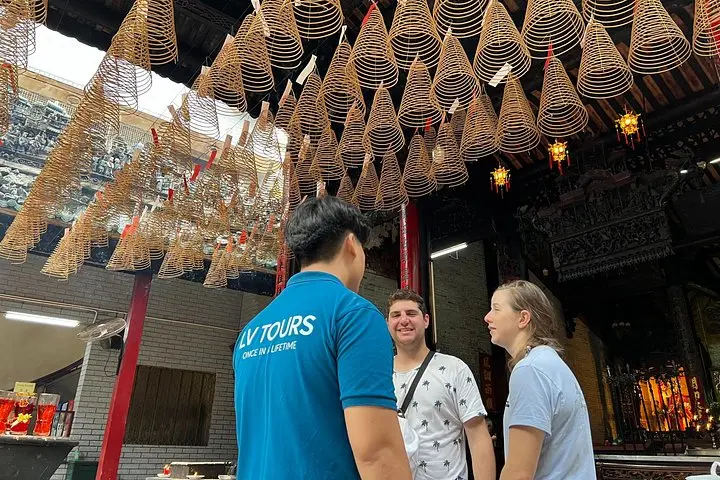
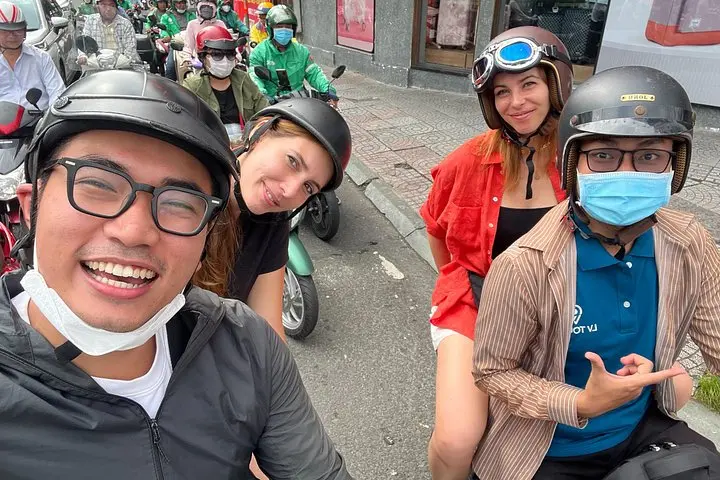
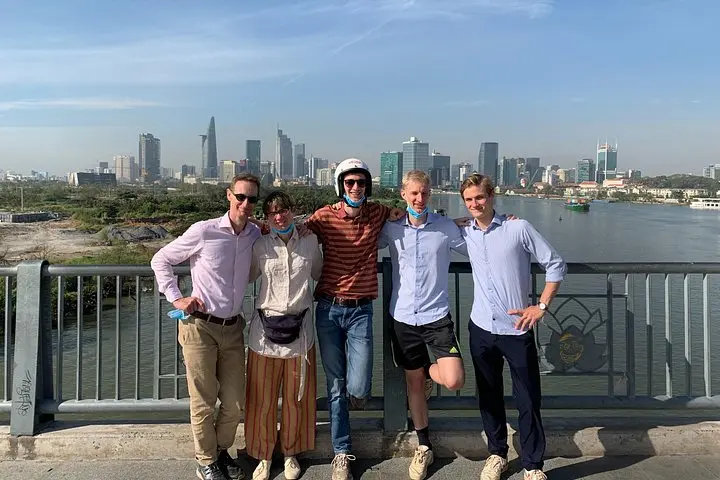
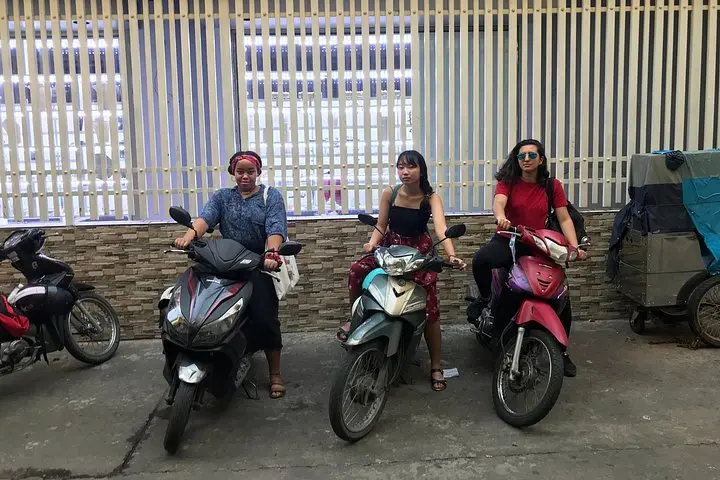
The city hums before you even start—the horned chorus of motorbikes, the steam from sidewalk coffee pots, and the smell of jasmine from a distant market. On a scooter you slip past the main avenues into alleys where Saigon keeps its memory: a bronze statue marking a monk’s last protest, a block of wartime apartments with laundry flapping like flags, and a temple whose incense coils seem to count centuries.
Verified experiences and guided adventures in the surrounding area.
Operated by LV Tours · Ho Chi Minh City, Ho Chi Minh
The city hums before you even start—the horned chorus of motorbikes, the steam from sidewalk coffee pots, and the smell of jasmine from a distant market. On a scooter you slip past the main avenues into alleys where Saigon keeps its memory: a bronze statue marking a monk’s last protest, a block of wartime apartments with laundry flapping like flags, and a temple whose incense coils seem to count centuries.
This ride stitches together layers of Saigon history: French colonial grids, wartime improvisation, and Chinese-Vietnamese merchant culture concentrated around Cholon. Geology here is plain—recent alluvial plains—so the city’s character is built not in stone but in people and trade. At Ho Thi Ky Flower Market, refrigerated trucks and riverine supply chains meet fragrant chaos; at Thien Hau Pagoda, Chinese sea-deity iconography reflects waves of migration.
Expect quick stops—20–30 minutes each—enough to take photos, breathe in market air, and hear stories from a local guide. The Secret Weapon Bunker and the Nguyen Thien Thuat apartments reveal private histories that contrast with ceremonial sites like the Thich Quang Duc monument.
Practical edge: wear closed-toe shoes and a light jacket against spray and exhaust; bring cash for street snacks and temple donations; keep valuables in a zipped daypack. Tours run 3–4 hours—ideal for a morning or late-afternoon slot to avoid midday heat and busy commute windows. Be prepared for close traffic and narrow sidewalks; pace your day to linger where the city invites conversation rather than selfies.
No—most tours provide a driver-guide; participants usually ride as passengers unless a self-ride option was booked.
This tour includes the stops listed, but small donations at temples or optional purchases at markets are not covered.
Infants must sit on a lap and infant seats may be available—check with the operator when booking.
The operator’s cancellation policy applies; tours may proceed in light rain with waterproof gear but heavy storms can prompt rescheduling.
LV Tours operates guided outdoor trips and adventures with an emphasis on safety, stewardship, and memorable experiences.
The city hums before you even start—the horned chorus of motorbikes, the steam from sidewalk coffee pots, and the smell of jasmine from a distant market. On a scooter you slip past the main avenues into alleys where Saigon keeps its memory: a bronze statue marking a monk’s last protest, a block of wartime apartments with laundry flapping like flags, and a temple whose incense coils seem to count centuries.
The city hums before you even start—the horned chorus of motorbikes, the steam from sidewalk coffee pots, and the smell of jasmine from a distant market. On a scooter you slip past the main avenues into alleys where Saigon keeps its memory: a bronze statue marking a monk’s last protest, a block of wartime apartments with laundry flapping like flags, and a temple whose incense coils seem to count centuries.
This ride stitches together layers of Saigon history: French colonial grids, wartime improvisation, and Chinese-Vietnamese merchant culture concentrated around Cholon. Geology here is plain—recent alluvial plains—so the city’s character is built not in stone but in people and trade. At Ho Thi Ky Flower Market, refrigerated trucks and riverine supply chains meet fragrant chaos; at Thien Hau Pagoda, Chinese sea-deity iconography reflects waves of migration.
Expect quick stops—20–30 minutes each—enough to take photos, breathe in market air, and hear stories from a local guide. The Secret Weapon Bunker and the Nguyen Thien Thuat apartments reveal private histories that contrast with ceremonial sites like the Thich Quang Duc monument.
Practical edge: wear closed-toe shoes and a light jacket against spray and exhaust; bring cash for street snacks and temple donations; keep valuables in a zipped daypack. Tours run 3–4 hours—ideal for a morning or late-afternoon slot to avoid midday heat and busy commute windows. Be prepared for close traffic and narrow sidewalks; pace your day to linger where the city invites conversation rather than selfies.