THE ADVENTURE COLLECTIVE® · Independent discovery and booking for outdoor travel

A compact four-day circuit from Ho Chi Minh City that pairs city history with slow Mekong river life and a visit to the Cu Chi tunnel network. Expect boat cruises, family-run workshops, pagodas, and a grounded look at wartime ingenuity.
A compact four-day circuit from Ho Chi Minh City that pairs city history with slow Mekong river life and a visit to the Cu Chi tunnel network. Expect boat cruises, family-run workshops, pagodas, and a grounded look at wartime ingenuity.
Stepping out of Tan Son Nhat, the humid air and chorus of scooters announce a city perpetually in motion. Over four days the tour trades Saigon’s tight alleys and market stalls for the broad, slow Mekong and the narrow, hand-dug arteries of the Cu Chi tunnels — each landscape asking for a different pace.
Verified experiences and guided adventures in the surrounding area.
Operated by Grayline Vietnam Threeland Travel · Ho Chi Minh City, Ho Chi Minh
Stepping out of Tan Son Nhat, the humid air and chorus of scooters announce a city perpetually in motion. Over four days the tour trades Saigon’s tight alleys and market stalls for the broad, slow Mekong and the narrow, hand-dug arteries of the Cu Chi tunnels — each landscape asking for a different pace.
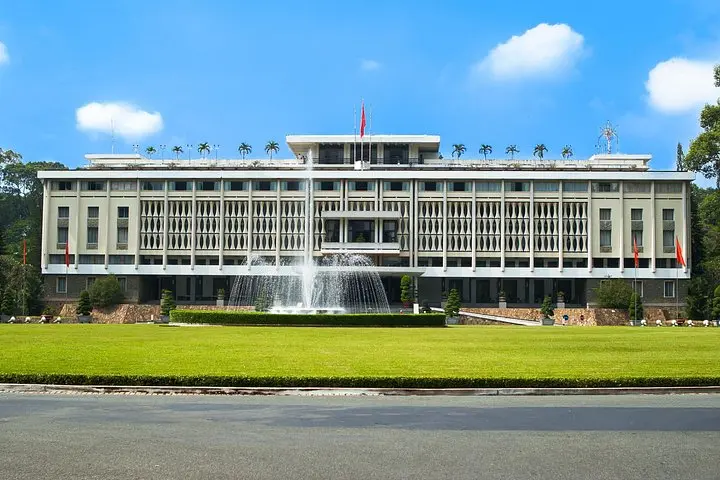
Historically this route stitches together modern Vietnam and older livelihoods: Reunification Palace and Ben Thanh Market speak to Saigon’s 20th-century upheavals, while the Mekong Delta’s flat, alluvial plain explains why rice and coconut are king. The Cu Chi network — more than 200 kilometers of tunnels — remains one of the most striking wartime engineering feats, carved into clay and laterite by hand. Cultural layers show in Vinh Trang Pagoda’s Chinese–Khmer–French flourishes and family-run coconut candy workshops on the river isles.
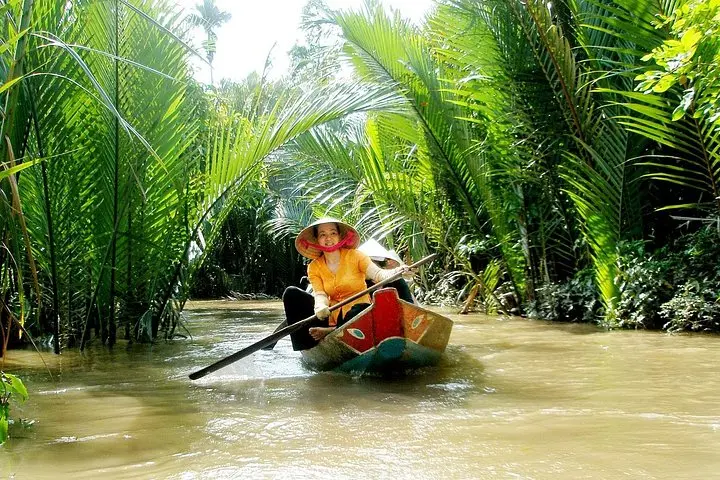
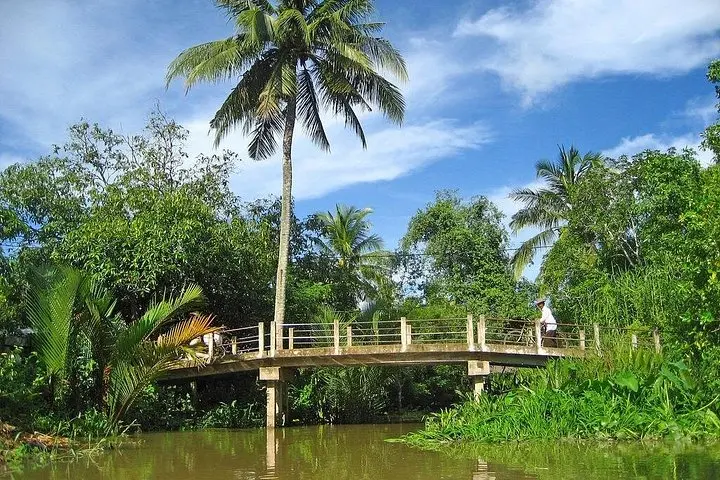
Practically, expect long but steady travel days: Saigon to My Tho is roughly 70 km (about 2 hours by road), Cu Chi about 60–70 km northwest (1.5–2 hours). Terrain is essentially flat and low-elevation; rivercraft and short, hand-rowed sampan rides replace hiking. Key experiences include boat cruising the Mekong, visiting island workshops, a horse-cart through village lanes, and an opportunity to enter widened sections of the Cu Chi tunnels — a tight, claustrophobic experience that can be skipped.
Prepare for heat, humidity, and basic rural facilities: carry cash for small purchases, wear closed-toe shoes for boat landings and pagoda visits, and bring a light rain jacket in the wet season. Guides handle logistics and most admissions, leaving you to watch riverbanks that keep pushing history and daily life past your bow.
Most nationalities require a valid passport and may need a visa or visa approval letter—check Vietnam’s entry rules before travel; the tour provides a visa approval letter when included in booking notes.
Children can visit many open sections, but the narrow crawls are not recommended for young kids; consider skipping the tunnel crawl and viewing exhibits above ground.
Meals described in the itinerary are included on specified days (B/L), with local restaurants used for lunches on Mekong island stops; confirm specifics with the operator at booking.
Walking is light to moderate—short village strolls, market visits, and boarding boats—no sustained hikes or elevation gain; the tour is listed as suitable for all fitness levels.
Grayline Vietnam Threeland Travel operates guided outdoor trips and adventures with an emphasis on safety, stewardship, and memorable experiences.
Stepping out of Tan Son Nhat, the humid air and chorus of scooters announce a city perpetually in motion. Over four days the tour trades Saigon’s tight alleys and market stalls for the broad, slow Mekong and the narrow, hand-dug arteries of the Cu Chi tunnels — each landscape asking for a different pace.
Stepping out of Tan Son Nhat, the humid air and chorus of scooters announce a city perpetually in motion. Over four days the tour trades Saigon’s tight alleys and market stalls for the broad, slow Mekong and the narrow, hand-dug arteries of the Cu Chi tunnels — each landscape asking for a different pace.
Historically this route stitches together modern Vietnam and older livelihoods: Reunification Palace and Ben Thanh Market speak to Saigon’s 20th-century upheavals, while the Mekong Delta’s flat, alluvial plain explains why rice and coconut are king. The Cu Chi network — more than 200 kilometers of tunnels — remains one of the most striking wartime engineering feats, carved into clay and laterite by hand. Cultural layers show in Vinh Trang Pagoda’s Chinese–Khmer–French flourishes and family-run coconut candy workshops on the river isles.
Practically, expect long but steady travel days: Saigon to My Tho is roughly 70 km (about 2 hours by road), Cu Chi about 60–70 km northwest (1.5–2 hours). Terrain is essentially flat and low-elevation; rivercraft and short, hand-rowed sampan rides replace hiking. Key experiences include boat cruising the Mekong, visiting island workshops, a horse-cart through village lanes, and an opportunity to enter widened sections of the Cu Chi tunnels — a tight, claustrophobic experience that can be skipped.
Prepare for heat, humidity, and basic rural facilities: carry cash for small purchases, wear closed-toe shoes for boat landings and pagoda visits, and bring a light rain jacket in the wet season. Guides handle logistics and most admissions, leaving you to watch riverbanks that keep pushing history and daily life past your bow.