THE ADVENTURE COLLECTIVE® · Independent discovery and booking for outdoor travel

Glide across the Nile on a traditional felucca to Elephantine Island and explore millennia of history in a few peaceful hours. This private sail combines relaxed river time with a guided walk past temples, nilometers, and the Aswan Museum.
Glide across the Nile on a traditional felucca to Elephantine Island and explore millennia of history in a few peaceful hours. This private sail combines relaxed river time with a guided walk past temples, nilometers, and the Aswan Museum.
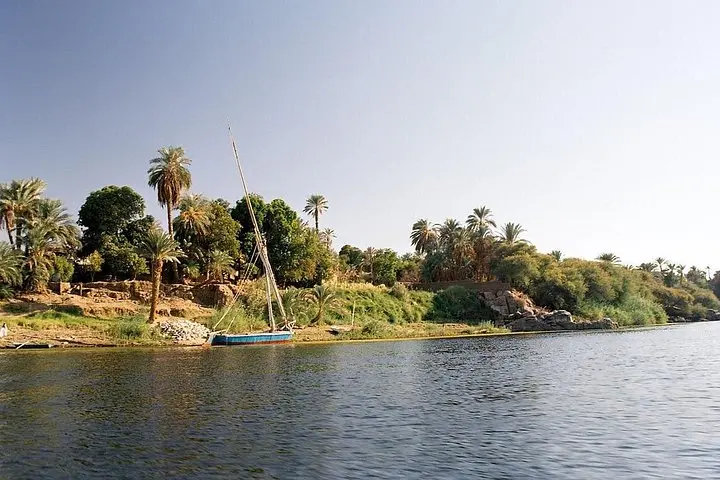
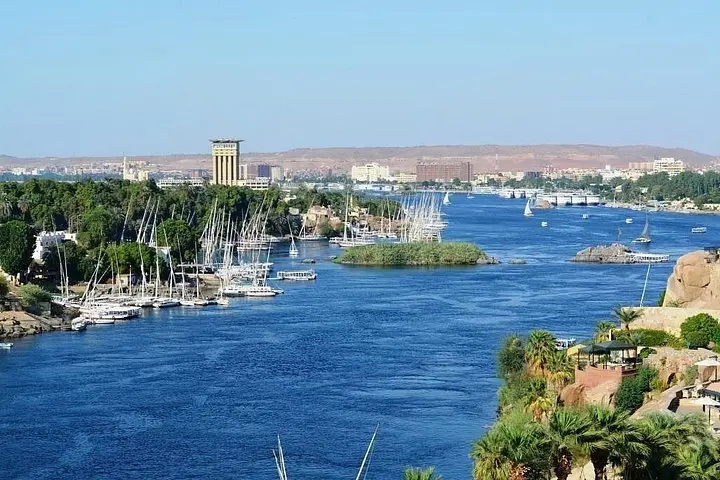
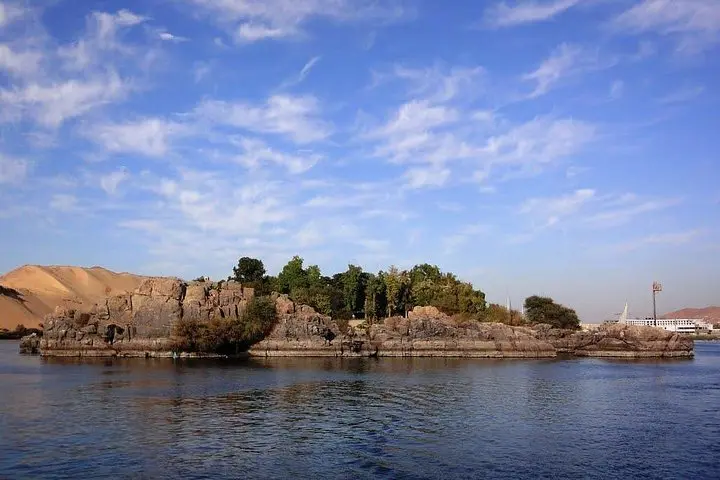
The felucca slips off Aswan’s quay with a soft creak of painted wood; linen sails fill and the Nile itself seems to nudge you eastward. Wind and current set the rhythm as granite shoulders of Elephantine Island rise ahead — low, rounded rock that early travelers thought looked like elephants’ backs.
Verified experiences and guided adventures in the surrounding area.
Operated by Your Egypt Tours · Aswan, Aswan Governorate
The felucca slips off Aswan’s quay with a soft creak of painted wood; linen sails fill and the Nile itself seems to nudge you eastward. Wind and current set the rhythm as granite shoulders of Elephantine Island rise ahead — low, rounded rock that early travelers thought looked like elephants’ backs.
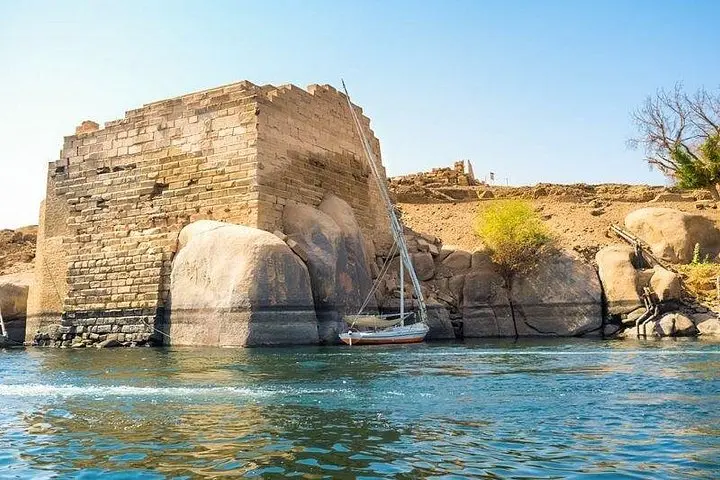
Elephantine has been inhabited since pre-dynastic times and marked the natural border between ancient Egypt and Nubia. On the island an Egyptologist guide points out the Temple of Khnum, fragments of Nilometers used to measure the flood, and the Aswan Museum housed in the colonial-era villa of engineer William Willcocks. Geologically the island is a scattering of Pharaonic-age granite outcrops worn smooth by the river; culturally it’s a living edge where Nubian and Egyptian histories meet.
Expect a slow, private sail (2–3 hours) punctuated by short, uneven walks over archaeological stone and shaded courtyards. The ride offers framed views of the Aga Khan mausoleum and the white bulk of the Cataract Hotel, while local tea houses and small markets provide a human scale to the ruins.
Practical notes: wear closed-toe shoes for rough footing, sun protection for strong sun, and carry small notes of Egyptian pounds for local purchases and the required local processing fee at check-in. Bottled water is normally supplied, but bring extra in summer. The tour is ideal for travelers who want low-impact exploration: move slowly, follow your guide’s route to sensitive sites, and leave nothing behind — the Nile’s archaeology depends on it.
The full private experience typically lasts 2–3 hours, including sailing time and a guided walk on the island.
Some tours include bottled water and guide services, but local processing fees and certain site admissions may be payable at check-in—bring small cash.
Children typically enjoy the short sail, but some island paths are uneven; the provider notes wheelchair accessibility for portions, but expect some areas with steps and rough stone.
Tipping is customary in Egypt; plan to tip your Egyptologist guide and the felucca crew if you’re satisfied with the service.
Your Egypt Tours operates guided outdoor trips and adventures with an emphasis on safety, stewardship, and memorable experiences.
The felucca slips off Aswan’s quay with a soft creak of painted wood; linen sails fill and the Nile itself seems to nudge you eastward. Wind and current set the rhythm as granite shoulders of Elephantine Island rise ahead — low, rounded rock that early travelers thought looked like elephants’ backs.
The felucca slips off Aswan’s quay with a soft creak of painted wood; linen sails fill and the Nile itself seems to nudge you eastward. Wind and current set the rhythm as granite shoulders of Elephantine Island rise ahead — low, rounded rock that early travelers thought looked like elephants’ backs.
Elephantine has been inhabited since pre-dynastic times and marked the natural border between ancient Egypt and Nubia. On the island an Egyptologist guide points out the Temple of Khnum, fragments of Nilometers used to measure the flood, and the Aswan Museum housed in the colonial-era villa of engineer William Willcocks. Geologically the island is a scattering of Pharaonic-age granite outcrops worn smooth by the river; culturally it’s a living edge where Nubian and Egyptian histories meet.
Expect a slow, private sail (2–3 hours) punctuated by short, uneven walks over archaeological stone and shaded courtyards. The ride offers framed views of the Aga Khan mausoleum and the white bulk of the Cataract Hotel, while local tea houses and small markets provide a human scale to the ruins.
Practical notes: wear closed-toe shoes for rough footing, sun protection for strong sun, and carry small notes of Egyptian pounds for local purchases and the required local processing fee at check-in. Bottled water is normally supplied, but bring extra in summer. The tour is ideal for travelers who want low-impact exploration: move slowly, follow your guide’s route to sensitive sites, and leave nothing behind — the Nile’s archaeology depends on it.