THE ADVENTURE COLLECTIVE® · Independent discovery and booking for outdoor travel

Ride an overnight train from Cairo, cruise the Nile between Luxor and Aswan, float over the Valley of the Kings in a hot air balloon and visit Abu Simbel — all in a compact, well‑paced package. This trip pairs riverside downtime with intensive temple touring and early‑morning adventure.
Ride an overnight train from Cairo, cruise the Nile between Luxor and Aswan, float over the Valley of the Kings in a hot air balloon and visit Abu Simbel — all in a compact, well‑paced package. This trip pairs riverside downtime with intensive temple touring and early‑morning adventure.
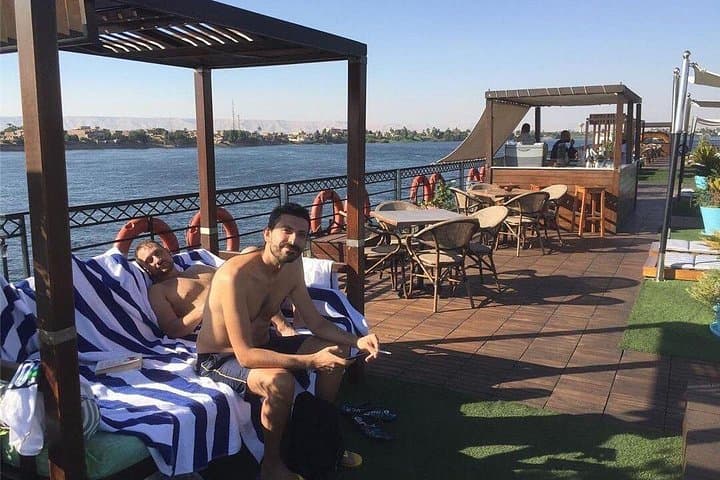
Dawn loosens the desert’s grip as your overnight train slides out of Cairo; by morning the Nile has already begun to assert itself — a bronze ribbon threading palm groves, mud-brick villages and temple cliffs. You board a five‑star cruise in Luxor, kay a cabin door opens to riverlight, and the river nudges you downstream toward Aswan and the rock-cut spectacle of Abu Simbel.
Verified experiences and guided adventures in the surrounding area.
Operated by Charming Egypt Tours · Luxor, Luxor Governorate
Dawn loosens the desert’s grip as your overnight train slides out of Cairo; by morning the Nile has already begun to assert itself — a bronze ribbon threading palm groves, mud-brick villages and temple cliffs. You board a five‑star cruise in Luxor, kay a cabin door opens to riverlight, and the river nudges you downstream toward Aswan and the rock-cut spectacle of Abu Simbel.
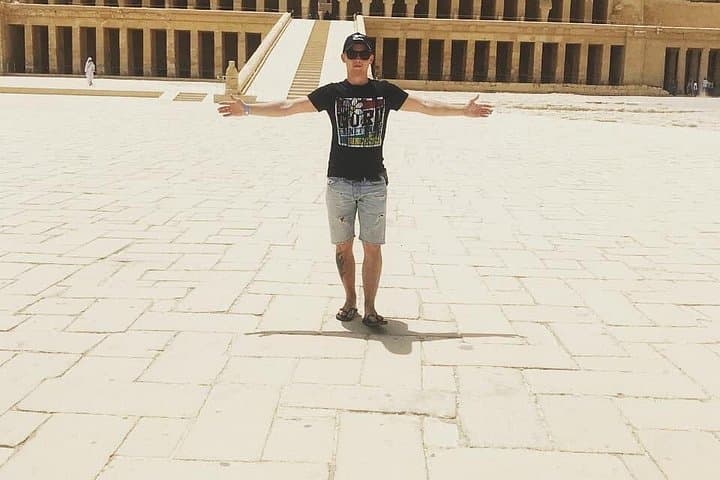
The itinerary stitches together Pharaonic power and modern engineering: the Valley of the Kings and Hatshepsut’s mortuary temple carved into the west bank’s limestone, Karnak’s avenue of ram-headed sphinxes, the perfectly preserved Ptolemaic shrine at Edfu, Kom Ombo’s double sanctuary, and the relocated colossi of Abu Simbel that defied the High Dam’s rising waters. Geology here is obvious — Nile floodplain silt meeting Nubian sandstone cliffs — and culture is immediate: tea stalls on riverbanks, feluccas coasting by, centuries of pilgrimage and trade.
Expect early mornings (hot air balloon launches at first light, 35–45 minutes aloft), short guided walks across uneven stone and temple steps, and relaxed sailing hours between ports. Logistics are straightforward: first‑class train seating, door‑to‑door transfers, and an Egyptology guide for context. Bring sun protection, good walking shoes, cash for small purchases, and a light layer for cool desert nights. Hydrate often; temple tours mean steps andstanding, while the boat gives time to rest and watch the Nile keep moving.
This trip balances monument-heavy touring with rivertime and aerial perspective — a compact route through Egypt’s living archaeological landscape.
Typical flights last 35–45 minutes and launch at first light; times vary with weather and seasonal conditions.
Yes — visits listed in the itinerary (Valley of the Kings, temples, Abu Simbel, Philae, etc.) are included along with a qualified Egyptology guide.
The package provides first‑class seated train tickets; sleepers may be available as an upgrade — expect basic but functional accommodations for overnight travel.
Meals are provided on the cruise and train; inform the operator ahead of time so kitchens can adjust for common dietary needs.
Charming Egypt Tours operates guided outdoor trips and adventures with an emphasis on safety, stewardship, and memorable experiences.
Dawn loosens the desert’s grip as your overnight train slides out of Cairo; by morning the Nile has already begun to assert itself — a bronze ribbon threading palm groves, mud-brick villages and temple cliffs. You board a five‑star cruise in Luxor, kay a cabin door opens to riverlight, and the river nudges you downstream toward Aswan and the rock-cut spectacle of Abu Simbel.
Dawn loosens the desert’s grip as your overnight train slides out of Cairo; by morning the Nile has already begun to assert itself — a bronze ribbon threading palm groves, mud-brick villages and temple cliffs. You board a five‑star cruise in Luxor, kay a cabin door opens to riverlight, and the river nudges you downstream toward Aswan and the rock-cut spectacle of Abu Simbel.
The itinerary stitches together Pharaonic power and modern engineering: the Valley of the Kings and Hatshepsut’s mortuary temple carved into the west bank’s limestone, Karnak’s avenue of ram-headed sphinxes, the perfectly preserved Ptolemaic shrine at Edfu, Kom Ombo’s double sanctuary, and the relocated colossi of Abu Simbel that defied the High Dam’s rising waters. Geology here is obvious — Nile floodplain silt meeting Nubian sandstone cliffs — and culture is immediate: tea stalls on riverbanks, feluccas coasting by, centuries of pilgrimage and trade.
Expect early mornings (hot air balloon launches at first light, 35–45 minutes aloft), short guided walks across uneven stone and temple steps, and relaxed sailing hours between ports. Logistics are straightforward: first‑class train seating, door‑to‑door transfers, and an Egyptology guide for context. Bring sun protection, good walking shoes, cash for small purchases, and a light layer for cool desert nights. Hydrate often; temple tours mean steps andstanding, while the boat gives time to rest and watch the Nile keep moving.
This trip balances monument-heavy touring with rivertime and aerial perspective — a compact route through Egypt’s living archaeological landscape.