THE ADVENTURE COLLECTIVE® · Independent discovery and booking for outdoor travel

Board a traditional dahabiya for a five-day private sail from Luxor to Aswan, moving at the Nile’s pace through temples, quarries, and riverside villages. This intimate cruise blends guided archaeology with slow travel along some of Egypt’s most iconic sites.
Board a traditional dahabiya for a five-day private sail from Luxor to Aswan, moving at the Nile’s pace through temples, quarries, and riverside villages. This intimate cruise blends guided archaeology with slow travel along some of Egypt’s most iconic sites.
Morning light peels across the Nile as a low-slung dahabiya slips from Luxor’s quay. The boat heels gently, sails filling with the same wind that moved pharaohs’ barges centuries ago, and the river dares you to slow down and look — at palms, farmers, and temples appearing like stage sets along the banks.
Verified experiences and guided adventures in the surrounding area.
Operated by Egypt Best Day Tours · Luxor, Luxor Governorate
Morning light peels across the Nile as a low-slung dahabiya slips from Luxor’s quay. The boat heels gently, sails filling with the same wind that moved pharaohs’ barges centuries ago, and the river dares you to slow down and look — at palms, farmers, and temples appearing like stage sets along the banks.
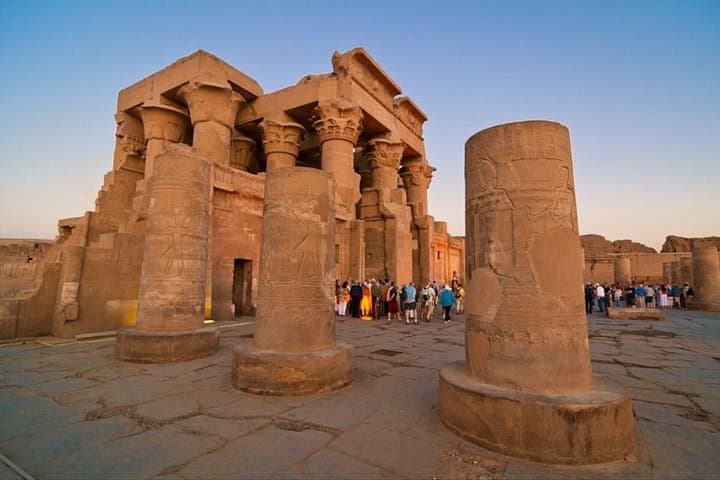
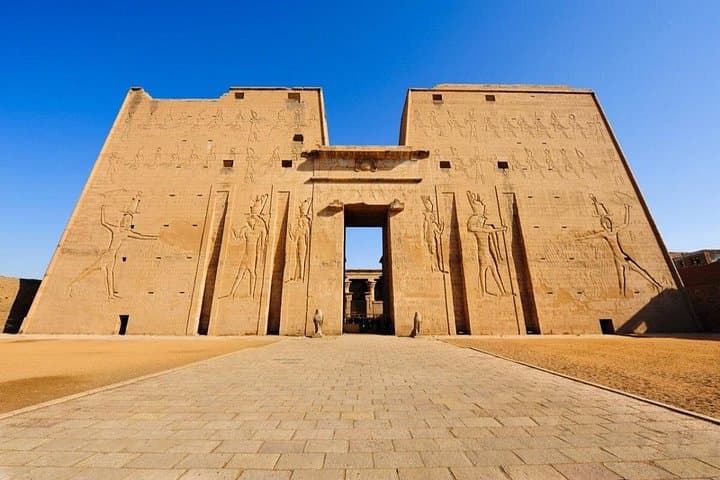
This route traces Upper Egypt’s living history. You’ll pass the Valley of the Kings and Karnak’s pylons, glide past Esna’s locks, and stop at Edfu’s Temple of Horus, Kom Ombo’s dual sanctuary, and Philae’s island shrine in Aswan. Geologically, the Nile carves its way through alluvial plains and limestone outcrops; Gebel el-Silsila’s ancient quarries reveal the stone that built New Kingdom monuments. Along the way, market stalls, Nubian villages, and riverside gardens offer a sharper, modern view of daily life.
Practical side: cabins on a dahabiya are compact but comfortable; three nights onboard means light packing. Expect calm daytime sailing and cooler evenings—bring sun protection and a warm layer. Guided shore excursions include entrance fees unless stated otherwise; book temple tickets in advance during high season. Hydration is critical; bottled water is usually provided, but carry a refill bottle for day trips. Mobile signal is intermittent between towns; download maps and have printed travel documents. Respect local customs: modest dress at religious sites and ask before photographing people. If you’re prone to motion sickness, take preventive measures before departure.
This private sailing balances relaxed river time with expert-led archaeology—an intimate way to experience the Nile’s history and the present that still depends on it.
Yes; the dahabiya offers gentle sailing and private cabins, but travelers should be able to manage boarding steps and short walks at sites.
Guided tours are included, but some entrance fees can be extra—confirm specific admissions when booking.
No internal visa is required, but international visitors must have a valid Egyptian entry visa and passport for boarding and checkpoints.
Bottled water is provided during tours; avoid tap water, use sunscreen, and consult your doctor about vaccinations and travel health precautions.
Egypt Best Day Tours operates guided outdoor trips and adventures with an emphasis on safety, stewardship, and memorable experiences.
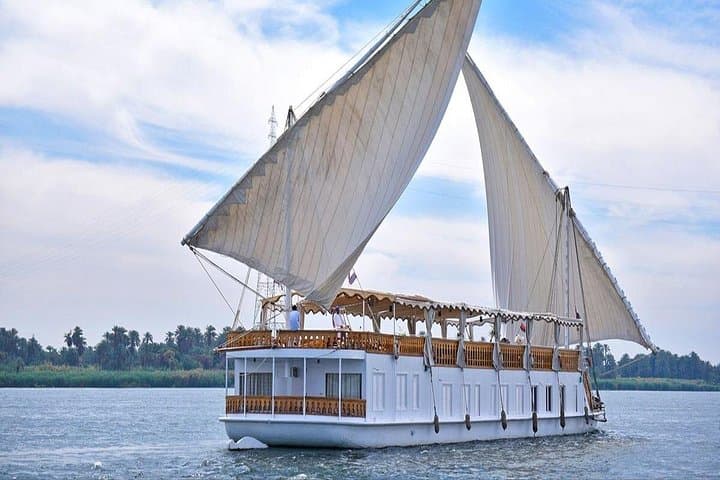

Morning light peels across the Nile as a low-slung dahabiya slips from Luxor’s quay. The boat heels gently, sails filling with the same wind that moved pharaohs’ barges centuries ago, and the river dares you to slow down and look — at palms, farmers, and temples appearing like stage sets along the banks.
Morning light peels across the Nile as a low-slung dahabiya slips from Luxor’s quay. The boat heels gently, sails filling with the same wind that moved pharaohs’ barges centuries ago, and the river dares you to slow down and look — at palms, farmers, and temples appearing like stage sets along the banks.
This route traces Upper Egypt’s living history. You’ll pass the Valley of the Kings and Karnak’s pylons, glide past Esna’s locks, and stop at Edfu’s Temple of Horus, Kom Ombo’s dual sanctuary, and Philae’s island shrine in Aswan. Geologically, the Nile carves its way through alluvial plains and limestone outcrops; Gebel el-Silsila’s ancient quarries reveal the stone that built New Kingdom monuments. Along the way, market stalls, Nubian villages, and riverside gardens offer a sharper, modern view of daily life.
Practical side: cabins on a dahabiya are compact but comfortable; three nights onboard means light packing. Expect calm daytime sailing and cooler evenings—bring sun protection and a warm layer. Guided shore excursions include entrance fees unless stated otherwise; book temple tickets in advance during high season. Hydration is critical; bottled water is usually provided, but carry a refill bottle for day trips. Mobile signal is intermittent between towns; download maps and have printed travel documents. Respect local customs: modest dress at religious sites and ask before photographing people. If you’re prone to motion sickness, take preventive measures before departure.
This private sailing balances relaxed river time with expert-led archaeology—an intimate way to experience the Nile’s history and the present that still depends on it.