THE ADVENTURE COLLECTIVE® · Independent discovery and booking for outdoor travel

Combine a calm coastal sail over submerged Lycian ruins with visits to St. Nicholas’s church and the cliff-cut tombs of Myra. Expect a 10‑hour day of sun, archaeology and an optional swim through clear Mediterranean water.
Combine a calm coastal sail over submerged Lycian ruins with visits to St. Nicholas’s church and the cliff-cut tombs of Myra. Expect a 10‑hour day of sun, archaeology and an optional swim through clear Mediterranean water.
The day opens with the gentle slap of a harbour against the hull and the smell of lemon and sea on the breeze as you leave Kemer for the sun-dried coves of Kekova.
Verified experiences and guided adventures in the surrounding area.
Operated by Destination Services Turkey · Kemer, Antalya Province
The day opens with the gentle slap of a harbour against the hull and the smell of lemon and sea on the breeze as you leave Kemer for the sun-dried coves of Kekova.
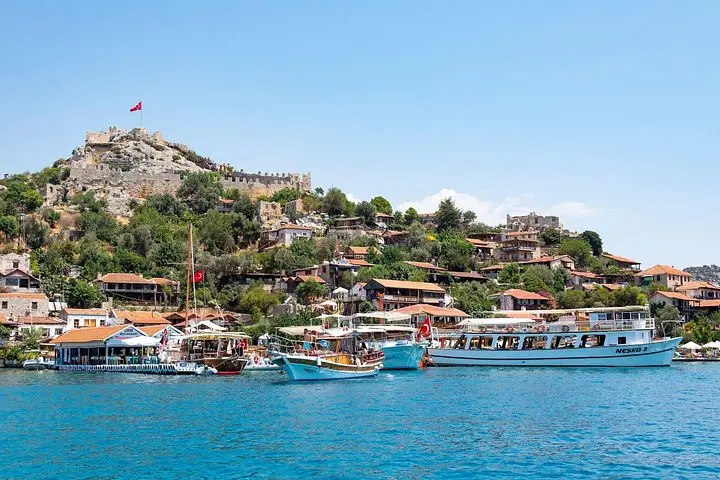
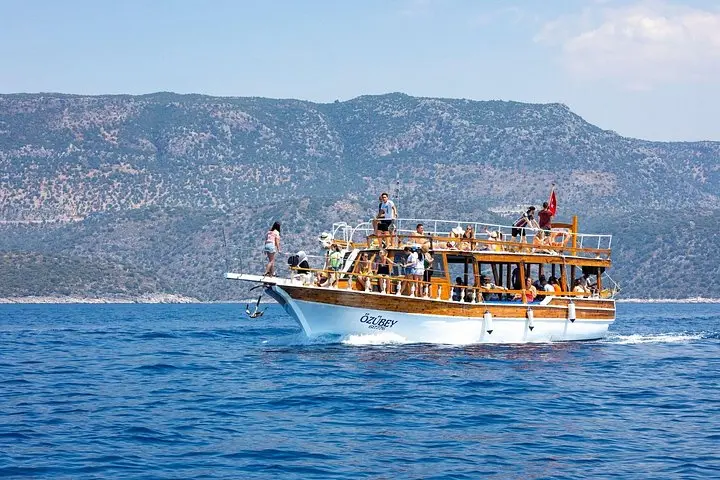
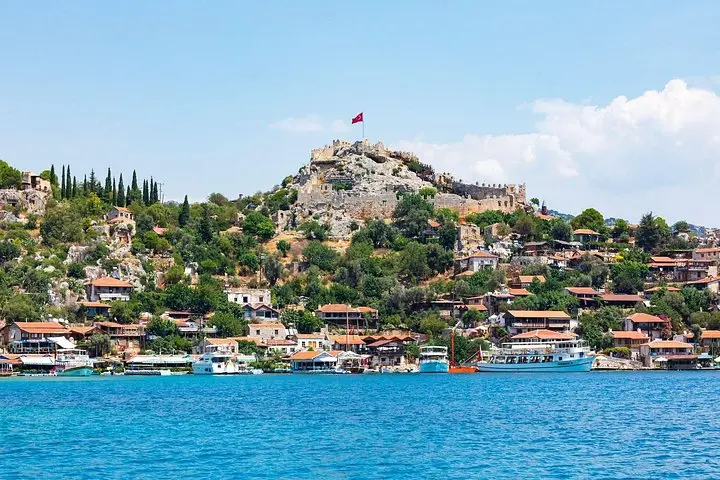
Before the boat, a rustic brunch in Beymelek lets you taste vegetables grown in century-old Ottoman stone houses; the village's greenhouses still hum with summer heat. From the little harbour you board a small tour boat that slides over the clear Mediterranean toward Kekova Island. Below the surface, sunken Lycian walls and staircases lie like a ruined street frozen in glassy water — the sea here dares you to look closer.
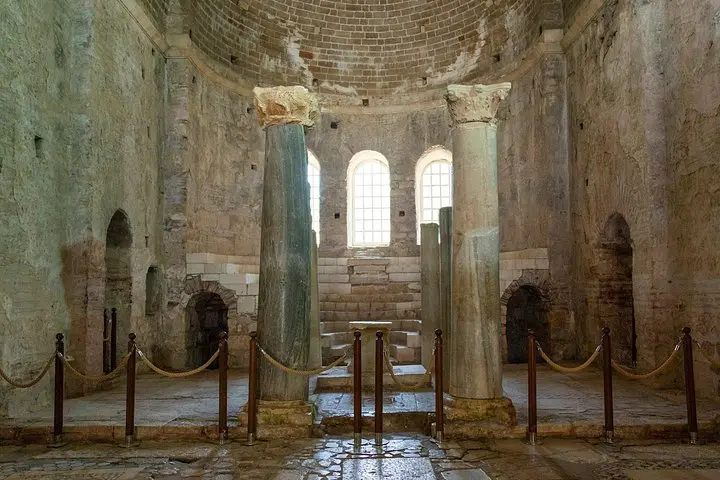
The route continues to Demre, the town that holds St. Nicholas’s church and the empty tomb of the fourth-century bishop once famed across the eastern Mediterranean. Close by, the Lycian city of Myra climbs the cliff face: an amphitheatre carved for audiences and high rock-cut tombs that stare across the valley.
Geology and history meet — Lycian rock, Pleistocene terraces and earthquake-driven subsidence that partially submerged ancient settlements.
Practical side: the trip runs about ten hours with moderate walking on uneven archaeological stone and an optional swim in warm months; bring sun protection, sturdy shoes and a towel. Expect boat transfers and an air-conditioned coach between sites. Photographs of underwater ruins are best in calm conditions; the operator substitutes a museum visit if weather turns.
This is a hybrid day: part coastal cruising, part archaeology, part cultural stop — suitable for travelers who want coastal scenery paired with tangible traces of antiquity.
The boat trip runs when weather and sea conditions are safe; if not, the itinerary swaps in the Demre museum visit instead.
Expect short walks on uneven, sometimes steep archaeological sites (Myra’s amphitheatre and tombs) and boarding the boat — nothing technical but sturdy shoes help.
Entrance fees to historical sites are included with the tour according to the operator details provided at booking.
Yes — in warmer months there’s time for a swim near Kekova; bring swimwear and a towel, but swimming depends on sea conditions.
Destination Services Turkey operates guided outdoor trips and adventures with an emphasis on safety, stewardship, and memorable experiences.
The day opens with the gentle slap of a harbour against the hull and the smell of lemon and sea on the breeze as you leave Kemer for the sun-dried coves of Kekova.
The day opens with the gentle slap of a harbour against the hull and the smell of lemon and sea on the breeze as you leave Kemer for the sun-dried coves of Kekova.
Before the boat, a rustic brunch in Beymelek lets you taste vegetables grown in century-old Ottoman stone houses; the village's greenhouses still hum with summer heat. From the little harbour you board a small tour boat that slides over the clear Mediterranean toward Kekova Island. Below the surface, sunken Lycian walls and staircases lie like a ruined street frozen in glassy water — the sea here dares you to look closer.
The route continues to Demre, the town that holds St. Nicholas’s church and the empty tomb of the fourth-century bishop once famed across the eastern Mediterranean. Close by, the Lycian city of Myra climbs the cliff face: an amphitheatre carved for audiences and high rock-cut tombs that stare across the valley.
Geology and history meet — Lycian rock, Pleistocene terraces and earthquake-driven subsidence that partially submerged ancient settlements.
Practical side: the trip runs about ten hours with moderate walking on uneven archaeological stone and an optional swim in warm months; bring sun protection, sturdy shoes and a towel. Expect boat transfers and an air-conditioned coach between sites. Photographs of underwater ruins are best in calm conditions; the operator substitutes a museum visit if weather turns.
This is a hybrid day: part coastal cruising, part archaeology, part cultural stop — suitable for travelers who want coastal scenery paired with tangible traces of antiquity.