THE ADVENTURE COLLECTIVE® · Independent discovery and booking for outdoor travel

A half-day sail through the rugged Cap de Creus followed by 6.5 hours to explore Cadaqués — swim, visit Dalí’s Portlligat, and wander cobbled streets. Practical tips for timing, what to pack, and how to make the most of free time in town.
A half-day sail through the rugged Cap de Creus followed by 6.5 hours to explore Cadaqués — swim, visit Dalí’s Portlligat, and wander cobbled streets. Practical tips for timing, what to pack, and how to make the most of free time in town.
You step off the boat onto sun-warmed stone and the sea pulls the town into view — white houses clinging to the slope, fishing boats rocking in a small harbor, and the wind from Cap de Creus daring you to walk its rim.
Verified experiences and guided adventures in the surrounding area.
Operated by Els Blaus de Roses · Cadaqués, Girona
You step off the boat onto sun-warmed stone and the sea pulls the town into view — white houses clinging to the slope, fishing boats rocking in a small harbor, and the wind from Cap de Creus daring you to walk its rim.
The boat leg threads along the jagged Cap de Creus coastline, a 45‑minute window into a geologically restless headland where ancient schist and wind-carved granite hold coves and sea cliffs. This shoreline shaped Salvador Dalí’s imagination; nearby Portlligat was his studio and remains a cultural waypoint. Cadaqués itself grew from a fishing village — its narrow cobblestone streets and seaside terraces still reflect a maritime economy and Catalan coastal life.
Expect a mix of natural spectacle and relaxed town exploration: sea caves and rock stacks during the sail (Tamariu Cave and the El Gato formation are visible features), then roughly 6.5 hours to swim, eat, visit the Dalí house, or wander markets on Mondays. The port provides easy drop-off and pick-up; on-board restrooms and sheltered seating mean a comfortable crossing even if the wind stiffens.
Practical guidance: wear sturdy shoes for uneven streets and bring swimwear, sunscreen, and cash for small cafés. If you want the Portlligat House-Museum, reserve separately — the boat leaves you within easy walking distance but museum entry is ticketed. Peak summer brings more boats and crowded beaches; spring and fall reward you with cooler light and quieter lanes. Follow park rules in Cap de Creus: avoid trampling vegetation and keep distance from nesting birds.
The operator typically drops guests at the town’s harbor or a central docking point within easy walking distance of the main streets and beach.
No — you have free time (about 6.5 hours) to choose seaside restaurants, cafés, or picnic on a beach; bring cash or card for purchases.
Yes — the boat provides on-board restrooms for the crossing through Cap de Creus.
Yes — the boat leaves you near the center; the Portlligat House-Museum requires a separate timed-ticket reservation and can sell out in high season.
Els Blaus de Roses operates guided outdoor trips and adventures with an emphasis on safety, stewardship, and memorable experiences.
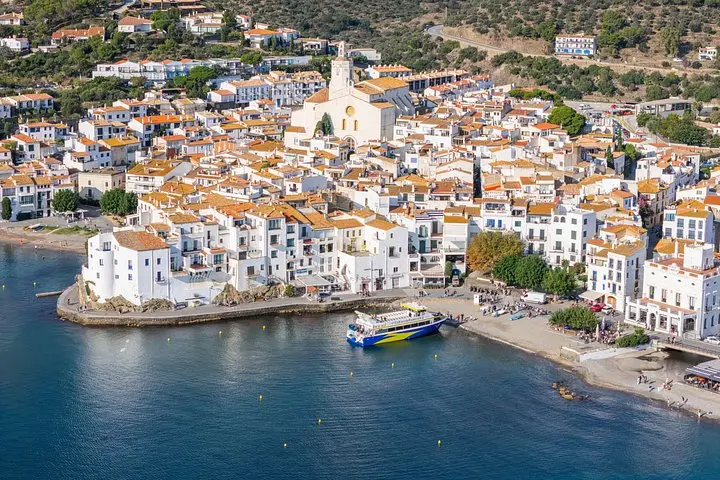
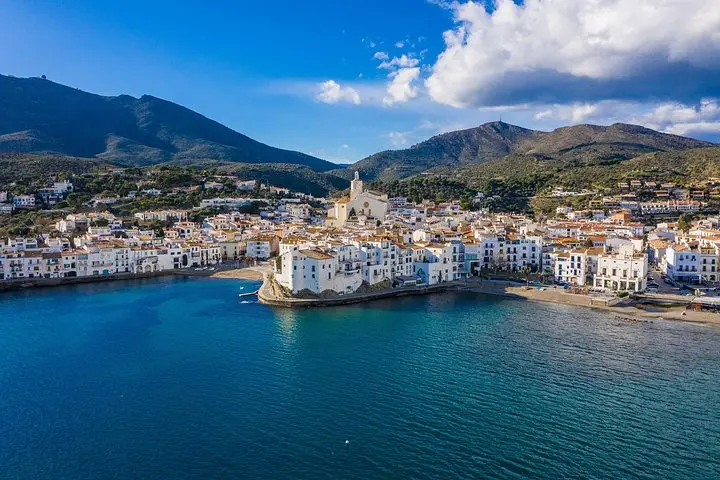
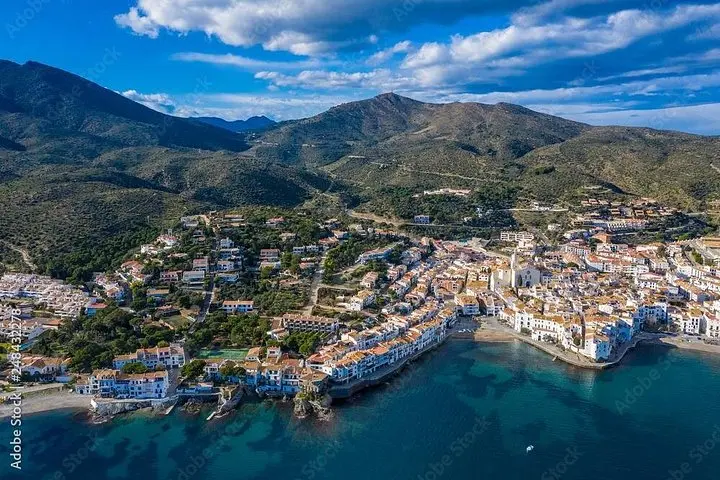
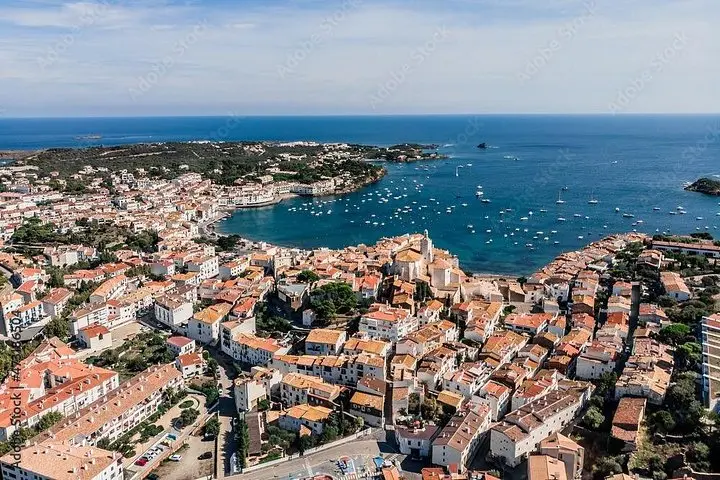
You step off the boat onto sun-warmed stone and the sea pulls the town into view — white houses clinging to the slope, fishing boats rocking in a small harbor, and the wind from Cap de Creus daring you to walk its rim.
You step off the boat onto sun-warmed stone and the sea pulls the town into view — white houses clinging to the slope, fishing boats rocking in a small harbor, and the wind from Cap de Creus daring you to walk its rim.
The boat leg threads along the jagged Cap de Creus coastline, a 45‑minute window into a geologically restless headland where ancient schist and wind-carved granite hold coves and sea cliffs. This shoreline shaped Salvador Dalí’s imagination; nearby Portlligat was his studio and remains a cultural waypoint. Cadaqués itself grew from a fishing village — its narrow cobblestone streets and seaside terraces still reflect a maritime economy and Catalan coastal life.
Expect a mix of natural spectacle and relaxed town exploration: sea caves and rock stacks during the sail (Tamariu Cave and the El Gato formation are visible features), then roughly 6.5 hours to swim, eat, visit the Dalí house, or wander markets on Mondays. The port provides easy drop-off and pick-up; on-board restrooms and sheltered seating mean a comfortable crossing even if the wind stiffens.
Practical guidance: wear sturdy shoes for uneven streets and bring swimwear, sunscreen, and cash for small cafés. If you want the Portlligat House-Museum, reserve separately — the boat leaves you within easy walking distance but museum entry is ticketed. Peak summer brings more boats and crowded beaches; spring and fall reward you with cooler light and quieter lanes. Follow park rules in Cap de Creus: avoid trampling vegetation and keep distance from nesting birds.