THE ADVENTURE COLLECTIVE® · Independent discovery and booking for outdoor travel

A four-day, three-night Nile cruise from Aswan to Luxor aboard the Royal Princess combines iconic temples, a dawn visit to Abu Simbel and river sailing between ancient sites. Ideal for travelers who want relaxed onboard time with focused, well-guided excursions.
A four-day, three-night Nile cruise from Aswan to Luxor aboard the Royal Princess combines iconic temples, a dawn visit to Abu Simbel and river sailing between ancient sites. Ideal for travelers who want relaxed onboard time with focused, well-guided excursions.
The sun slides low over the Nile as the Royal Princess eases away from Aswan — a ribbon of gold cutting between granite bluffs and palm-lined shores. On deck, the river breathes warm air that hints at millennia of traffic: traders, pharaohs, and modern travelers all drawn to this slow highway.
Verified experiences and guided adventures in the surrounding area.
Operated by Excursies Egypte-Day Tours · Aswan, Aswan Governorate
The sun slides low over the Nile as the Royal Princess eases away from Aswan — a ribbon of gold cutting between granite bluffs and palm-lined shores. On deck, the river breathes warm air that hints at millennia of traffic: traders, pharaohs, and modern travelers all drawn to this slow highway.
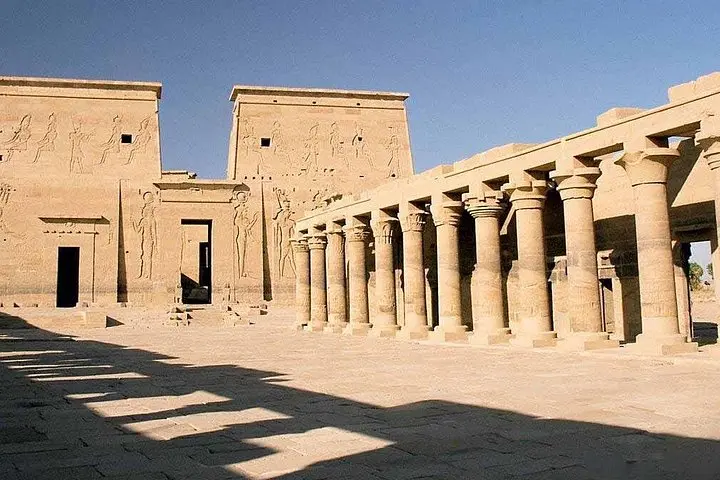
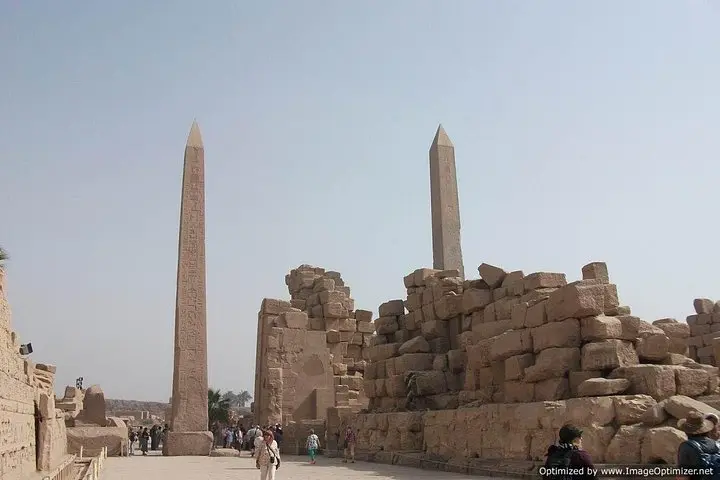
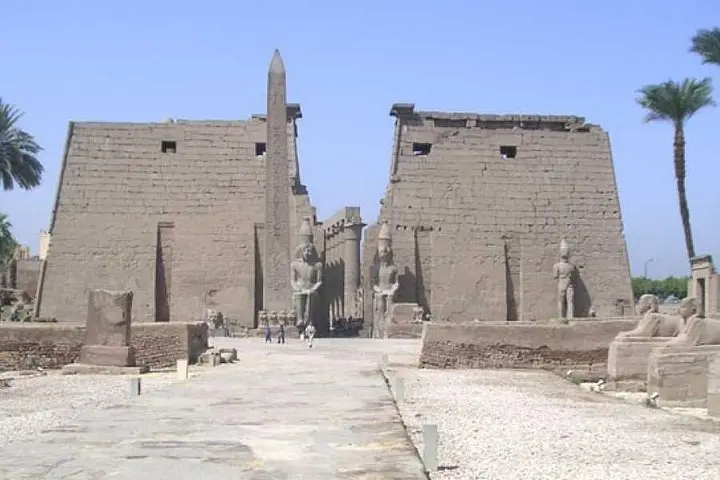
This classic four-day itinerary stitches together Egypt’s most resonant monuments. Start in Aswan with the High Dam and the island shrine of Philae; cross to Abu Simbel early for the monumental temples of Ramses II and Nefertari, painstakingly relocated after the Aswan Dam rose. Sail past Kom Ombo and Edfu — Ptolemaic temples set on the Nile’s edge — then transit Esna lock before arriving in Luxor to visit Karnak, the Valley of the Kings and Hatshepsut’s terrace temple.
Geology here is visible: the river has carved a fertile scar through Precambrian granite and limestone, creating a narrow floodplain where settlements cluster. Nubian culture persists in Aswan’s markets and music; local guides (Egyptologists) contextualize the pharaonic scenes with practical detail.
Practicalities matter. Abu Simbel is an early, often hot, outing; bring water, sun protection and loose, respectful clothing for temple visits. Excursions and most admissions are included, but small cash for tips and purchases keeps local economies moving. Expect easy walking on uneven temple floors and steps; transfers are by air-conditioned vehicle and the cruise accommodates most mobility needs. Time your photos for morning or late afternoon light — the river and monuments sharpen as the day cools, daring you to look closer.
Most Nile cruise excursions and standard temple admissions listed in the itinerary (Philae, Kom Ombo, Edfu, Luxor, Valley of the Kings, Karnak) are included; confirm specific entries when booking.
The road transfer to Abu Simbel is roughly 2.5–3 hours each way; departures are early to avoid peak heat and accommodate the round trip.
The cruise and transfers note wheelchair accessibility, but some temple sites have uneven terrain and steps; contact the operator in advance to arrange assistance and confirm mobility needs.
Egyptian pounds are standard for small purchases; tipping protocols (guides, drivers, crew) are customary — carry small notes and change for gratuities.
Excursies Egypte-Day Tours operates guided outdoor trips and adventures with an emphasis on safety, stewardship, and memorable experiences.
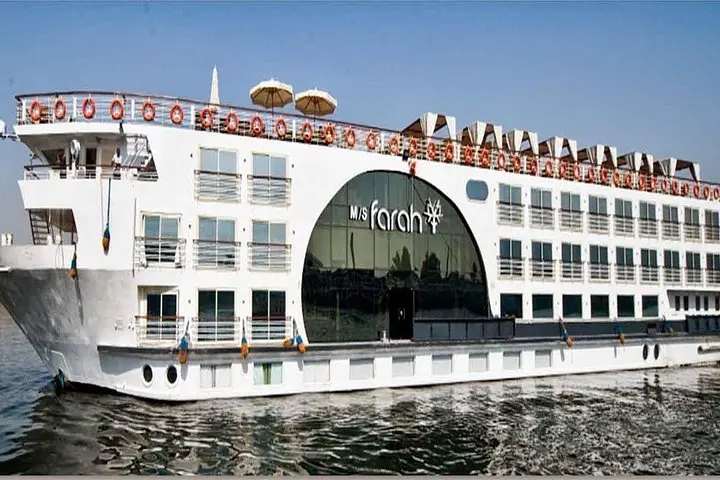
The sun slides low over the Nile as the Royal Princess eases away from Aswan — a ribbon of gold cutting between granite bluffs and palm-lined shores. On deck, the river breathes warm air that hints at millennia of traffic: traders, pharaohs, and modern travelers all drawn to this slow highway.
The sun slides low over the Nile as the Royal Princess eases away from Aswan — a ribbon of gold cutting between granite bluffs and palm-lined shores. On deck, the river breathes warm air that hints at millennia of traffic: traders, pharaohs, and modern travelers all drawn to this slow highway.
This classic four-day itinerary stitches together Egypt’s most resonant monuments. Start in Aswan with the High Dam and the island shrine of Philae; cross to Abu Simbel early for the monumental temples of Ramses II and Nefertari, painstakingly relocated after the Aswan Dam rose. Sail past Kom Ombo and Edfu — Ptolemaic temples set on the Nile’s edge — then transit Esna lock before arriving in Luxor to visit Karnak, the Valley of the Kings and Hatshepsut’s terrace temple.
Geology here is visible: the river has carved a fertile scar through Precambrian granite and limestone, creating a narrow floodplain where settlements cluster. Nubian culture persists in Aswan’s markets and music; local guides (Egyptologists) contextualize the pharaonic scenes with practical detail.
Practicalities matter. Abu Simbel is an early, often hot, outing; bring water, sun protection and loose, respectful clothing for temple visits. Excursions and most admissions are included, but small cash for tips and purchases keeps local economies moving. Expect easy walking on uneven temple floors and steps; transfers are by air-conditioned vehicle and the cruise accommodates most mobility needs. Time your photos for morning or late afternoon light — the river and monuments sharpen as the day cools, daring you to look closer.