THE ADVENTURE COLLECTIVE® · Independent discovery and booking for outdoor travel

Float between pharaonic giants on a 4-day Nile cruise from Luxor to Aswan, with guided visits to Karnak, the Valley of the Kings, Edfu, Kom Ombo and a shared trip to Abu Simbel. Expect gentle days on deck, short archaeological walks, and evenings of onboard entertainment.
Float between pharaonic giants on a 4-day Nile cruise from Luxor to Aswan, with guided visits to Karnak, the Valley of the Kings, Edfu, Kom Ombo and a shared trip to Abu Simbel. Expect gentle days on deck, short archaeological walks, and evenings of onboard entertainment.
The sun lifts off the palm-lined banks and the Nile slips past in slow sheets of gold; you stand on the cruise sundeck as Luxor recedes and ancient stone silhouettes grow nearer each morning. This four-day, three-night journey moves at the river’s rhythm—short stretches of daytime sailing punctuated by focused walks through some of Egypt’s most consequential monuments.
Verified experiences and guided adventures in the surrounding area.
Operated by Book Your Tours · Luxor, Luxor Governorate
The sun lifts off the palm-lined banks and the Nile slips past in slow sheets of gold; you stand on the cruise sundeck as Luxor recedes and ancient stone silhouettes grow nearer each morning. This four-day, three-night journey moves at the river’s rhythm—short stretches of daytime sailing punctuated by focused walks through some of Egypt’s most consequential monuments.
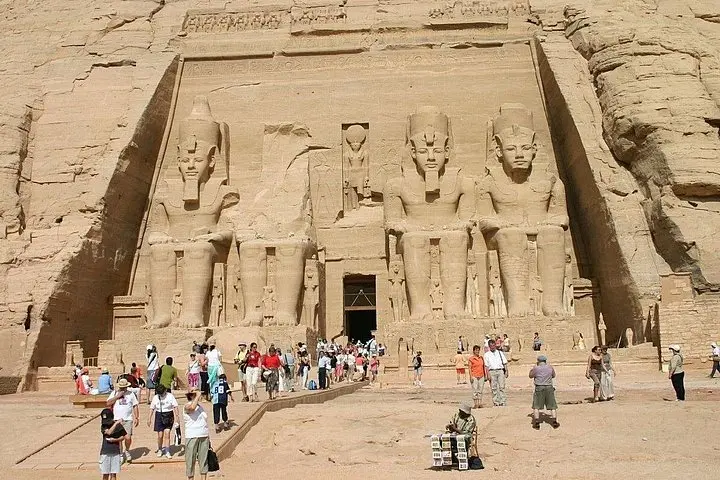
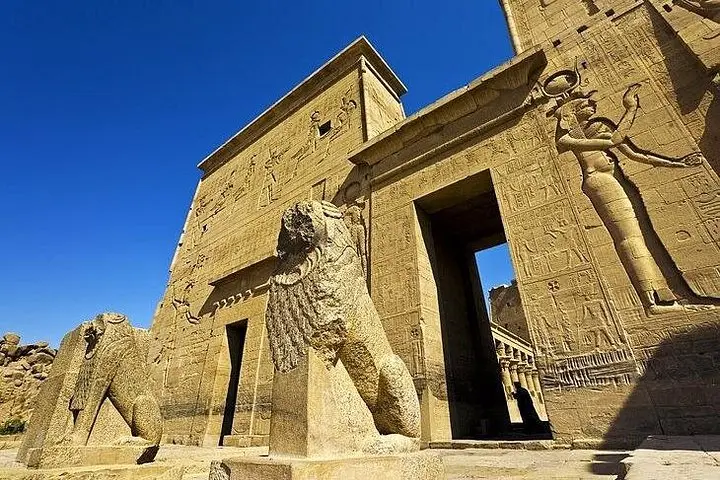
Beginning with Karnak and Luxor temples on the East Bank, the itinerary crosses the river to the West Bank’s Valley of the Kings and Hatshepsut’s mortuary temple, where tomb-lined cliffs force compact, sometimes steep, walks. Days include a carriage approach to Edfu’s Horus temple, a stop at Kom Ombo’s rare double sanctuary, and a shared early-morning transfer to Abu Simbel—about 285–290 km southwest of Aswan—to see Ramses II’s colossal façade relocated above Lake Nasser after the Aswan High Dam project.
Geology here is simple and arresting: the Nile’s floodplain carves a green ribbon through Nubian sandstone and limestone escarpments, leaving flat, low-elevation approaches to the sites and abrupt carved faces where pharaohs chose to be remembered. Culturally, expect Nubian hospitality in Aswan, lively onboard entertainment, and guide-led context from an Egyptologist.
Practically: daily walks at sites are typically 0.5–2 km over uneven stone and stairs; wear sturdy shoes, sun protection, and carry water. Crossing Esna lock means brief delays; plan luggage access for the early Abu Simbel departure. The cruise balances leisure on deck with concentrated archaeological visits—efficient for travelers who want deep, tangible contact with the Nile’s past without constant transit.
Entrance fees are typically not included in the cruise price and are paid locally; your tour guide will advise which tickets are needed each day.
The shared Abu Simbel trip involves a round-trip road transfer from Aswan and can take roughly 8–10 hours including site time; departures are very early to avoid heat and traffic.
Yes—most itineraries allow hotel or onshore transfers in Aswan at the end of the cruise; check your booking for included transfers and timing.
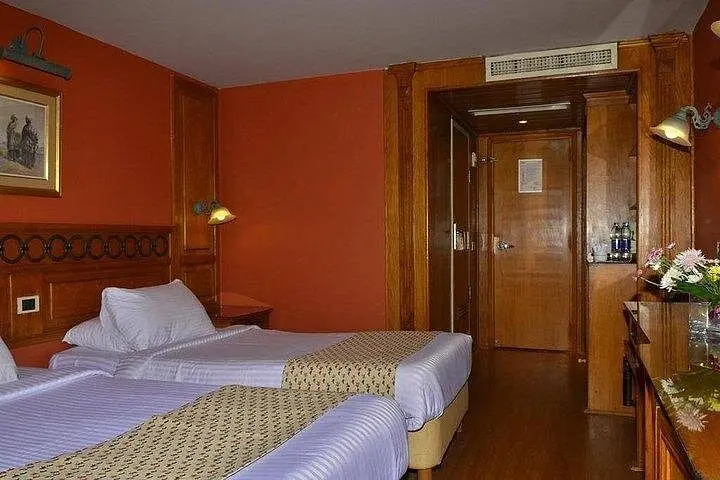
Many cruise boats offer accessible common areas and boarding assistance, but temple sites have limited accessibility due to stairs and uneven ground—notify operators of mobility needs before travel.
Book Your Tours operates guided outdoor trips and adventures with an emphasis on safety, stewardship, and memorable experiences.
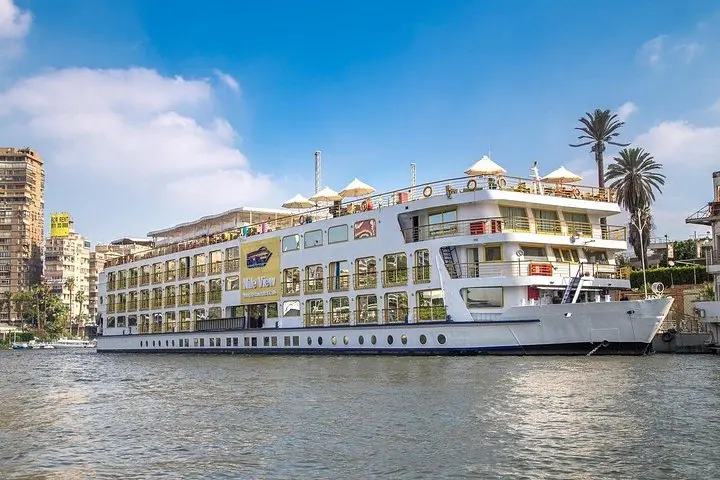
The sun lifts off the palm-lined banks and the Nile slips past in slow sheets of gold; you stand on the cruise sundeck as Luxor recedes and ancient stone silhouettes grow nearer each morning. This four-day, three-night journey moves at the river’s rhythm—short stretches of daytime sailing punctuated by focused walks through some of Egypt’s most consequential monuments.
The sun lifts off the palm-lined banks and the Nile slips past in slow sheets of gold; you stand on the cruise sundeck as Luxor recedes and ancient stone silhouettes grow nearer each morning. This four-day, three-night journey moves at the river’s rhythm—short stretches of daytime sailing punctuated by focused walks through some of Egypt’s most consequential monuments.
Beginning with Karnak and Luxor temples on the East Bank, the itinerary crosses the river to the West Bank’s Valley of the Kings and Hatshepsut’s mortuary temple, where tomb-lined cliffs force compact, sometimes steep, walks. Days include a carriage approach to Edfu’s Horus temple, a stop at Kom Ombo’s rare double sanctuary, and a shared early-morning transfer to Abu Simbel—about 285–290 km southwest of Aswan—to see Ramses II’s colossal façade relocated above Lake Nasser after the Aswan High Dam project.
Geology here is simple and arresting: the Nile’s floodplain carves a green ribbon through Nubian sandstone and limestone escarpments, leaving flat, low-elevation approaches to the sites and abrupt carved faces where pharaohs chose to be remembered. Culturally, expect Nubian hospitality in Aswan, lively onboard entertainment, and guide-led context from an Egyptologist.
Practically: daily walks at sites are typically 0.5–2 km over uneven stone and stairs; wear sturdy shoes, sun protection, and carry water. Crossing Esna lock means brief delays; plan luggage access for the early Abu Simbel departure. The cruise balances leisure on deck with concentrated archaeological visits—efficient for travelers who want deep, tangible contact with the Nile’s past without constant transit.