THE ADVENTURE COLLECTIVE® · Independent discovery and booking for outdoor travel

A four-night Nile cruise from Luxor to Aswan pairs relaxed river travel with blockbuster ancient sites—Karnak, the Valley of the Kings, Edfu, Kom Ombo and Abu Simbel. Read on for what to expect on deck, onshore, and how to prepare for the desert sun and archaeological walks.
A four-night Nile cruise from Luxor to Aswan pairs relaxed river travel with blockbuster ancient sites—Karnak, the Valley of the Kings, Edfu, Kom Ombo and Abu Simbel. Read on for what to expect on deck, onshore, and how to prepare for the desert sun and archaeological walks.
You step onto the sun-warmed deck as the Nile slips past—muddy, patient, and daring you to slow down. Palm groves blur into low desert cliffs; village feluccas bob like thoughts on the water. Over four nights the river becomes the itinerary: temples at dawn, shaded sundecks by afternoon, and lantern-lit conversations at night.
Verified experiences and guided adventures in the surrounding area.
Operated by Luxor Egypt Tours · Luxor, Luxor Governorate
You step onto the sun-warmed deck as the Nile slips past—muddy, patient, and daring you to slow down. Palm groves blur into low desert cliffs; village feluccas bob like thoughts on the water. Over four nights the river becomes the itinerary: temples at dawn, shaded sundecks by afternoon, and lantern-lit conversations at night.
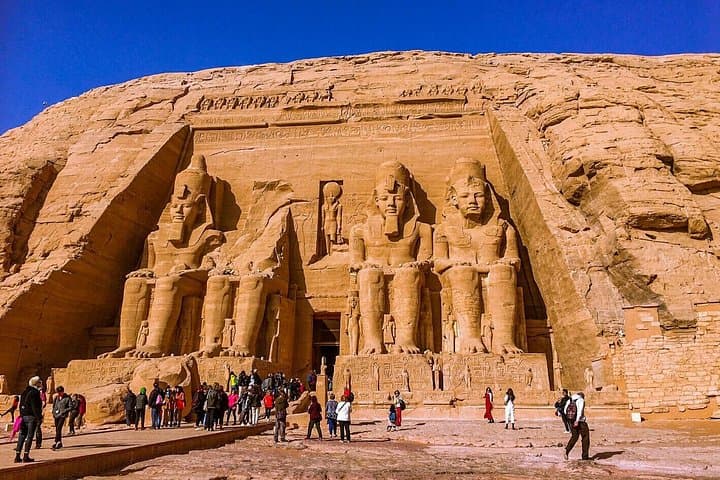
This route follows the Nile’s historic artery between ancient Thebes and the granite barrens of southern Egypt. Geology shifts from Nile silt and alluvial plains to the hardened sandstone and granite cliffs that frame the West Bank and the dramatic rock-carved temples at Abu Simbel. Culture here is layered: Pharaonic ritual sites, Nubian islands and towns with distinct crafts and hospitality, and modern infrastructure like the Aswan High Dam that reshaped the river’s flow.
Expect guided walks at Karnak, Luxor Temple, the Valley of the Kings, Edfu and Kom Ombo, and a full-day Abu Simbel excursion. Archaeological context is central—Egyptologists translate hieroglyphs and explain mortuary customs—while boat life is relaxed: cabins, meals, and steady cruising between stops.
Practical guidance: bring sun protection and breathable layers; most temple visits involve short walks on uneven stone and steps. Mornings are best for photography and cooler temperatures; afternoons suit siestas or shaded deck time. For Abu Simbel, check whether your transfer is by road or flight and allow early start times. Hydrate frequently—the desert sun is constant. Respect restricted areas inside tombs and follow guide instructions to protect fragile sites.
Most travelers require a visa for Egypt—check national requirements and obtain one in advance or on arrival where available.
The itinerary includes an Abu Simbel tour; confirm whether the transfer is by private road vehicle or flight when booking due to timing differences.
Expect short to moderate walks (30–90 minutes at each stop) on uneven stone and steps; the cruise provides downtime between visits.
The cruise includes breakfasts, lunches and dinners as listed—confirm which beverages are covered and any dietary needs before travel.
Luxor Egypt Tours operates guided outdoor trips and adventures with an emphasis on safety, stewardship, and memorable experiences.


You step onto the sun-warmed deck as the Nile slips past—muddy, patient, and daring you to slow down. Palm groves blur into low desert cliffs; village feluccas bob like thoughts on the water. Over four nights the river becomes the itinerary: temples at dawn, shaded sundecks by afternoon, and lantern-lit conversations at night.
You step onto the sun-warmed deck as the Nile slips past—muddy, patient, and daring you to slow down. Palm groves blur into low desert cliffs; village feluccas bob like thoughts on the water. Over four nights the river becomes the itinerary: temples at dawn, shaded sundecks by afternoon, and lantern-lit conversations at night.
This route follows the Nile’s historic artery between ancient Thebes and the granite barrens of southern Egypt. Geology shifts from Nile silt and alluvial plains to the hardened sandstone and granite cliffs that frame the West Bank and the dramatic rock-carved temples at Abu Simbel. Culture here is layered: Pharaonic ritual sites, Nubian islands and towns with distinct crafts and hospitality, and modern infrastructure like the Aswan High Dam that reshaped the river’s flow.
Expect guided walks at Karnak, Luxor Temple, the Valley of the Kings, Edfu and Kom Ombo, and a full-day Abu Simbel excursion. Archaeological context is central—Egyptologists translate hieroglyphs and explain mortuary customs—while boat life is relaxed: cabins, meals, and steady cruising between stops.
Practical guidance: bring sun protection and breathable layers; most temple visits involve short walks on uneven stone and steps. Mornings are best for photography and cooler temperatures; afternoons suit siestas or shaded deck time. For Abu Simbel, check whether your transfer is by road or flight and allow early start times. Hydrate frequently—the desert sun is constant. Respect restricted areas inside tombs and follow guide instructions to protect fragile sites.