THE ADVENTURE COLLECTIVE® · Independent discovery and booking for outdoor travel

Glide between Luxor and Aswan on a four‑night Nile cruise that pairs major Pharaonic sites with slow river travel. Expect guided temple visits, local markets, and the engineered wonders around Aswan.
Glide between Luxor and Aswan on a four‑night Nile cruise that pairs major Pharaonic sites with slow river travel. Expect guided temple visits, local markets, and the engineered wonders around Aswan.
You step onto teak decks as dawn softens the desert ridgeline and the Nile itself seems to push the boat onward, shoulder to shoulder with fishermen and river birds. The city of Luxor slips away behind temple pylons; minarets and palm groves mark a slow, liquid highway toward Aswan.
Verified experiences and guided adventures in the surrounding area.
Operated by Imperialegypt · Luxor, Luxor Governorate
You step onto teak decks as dawn softens the desert ridgeline and the Nile itself seems to push the boat onward, shoulder to shoulder with fishermen and river birds. The city of Luxor slips away behind temple pylons; minarets and palm groves mark a slow, liquid highway toward Aswan.
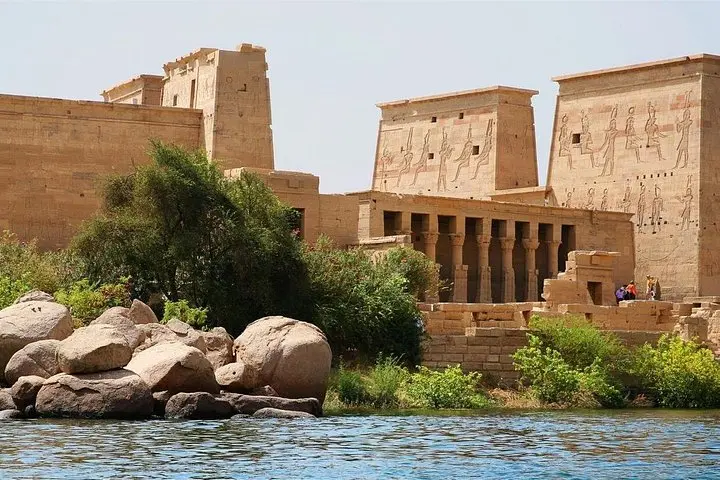
This stretch of Upper Egypt stitches together the high drama of Pharaonic Egypt with the patient geography of the Nile Valley. Ancient builders selected these banks for stable bedrock and easy river access — Karnak and Luxor Temples rise from the East Bank while the West Bank shelters the Valley of the Kings and Hatshepsut’s cliff-side mortuary temple. The modern story includes the Aswan High Dam and the UNESCO-led relocation of Philae Temple to Agilkia Island — engineering meeting archaeology.
Culture here is tactile: Nubian color palettes in Aswan, the cadence of Arabic market calls, and the small craft communities that read the river’s moods. Geology is understated but present — the Nile’s alluvial plain presses against the limestone escarpment, creating fertile strips of green.
Practical guidance: the cruise runs four nights (five days including transfers) with daily shore excursions and short walks over uneven stone, steps and sun-exposed routes. Expect long days on site and cool nights on deck. Bring sun protection, sturdy walking shoes, and a refillable bottle; pace your sightseeing to mid-morning and late afternoon to avoid harsh sun. Transfers from Hurghada to Luxor are about four hours by air-conditioned vehicle; the drive from Aswan back is roughly six hours.
Onboard, meals and guided shore visits are typically included; carry local cash for personal purchases and small tips. The Nile rewards slow travel — let the river set your rhythm.
Transfers are provided by air-conditioned vehicle and take about four hours through the Eastern Desert; confirm pickup time when you book.
Most standard shore excursions and visits listed in the itinerary are included, but verify specific admissions with your operator before travel.
Yes — the cruise is generally suitable for a wide range of ages, but expect walking and steps at archaeological sites; notify the operator of mobility concerns.
Signal can be intermittent on the river; many cruises offer limited Wi‑Fi in public areas, but plan for offline navigation and communication.
Imperialegypt operates guided outdoor trips and adventures with an emphasis on safety, stewardship, and memorable experiences.
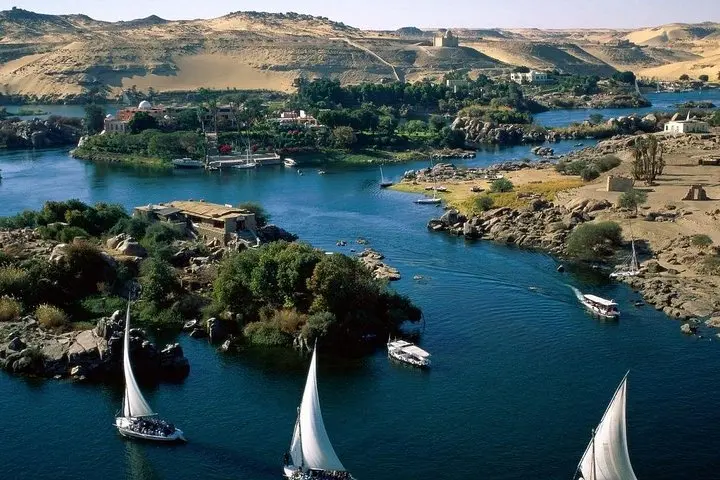
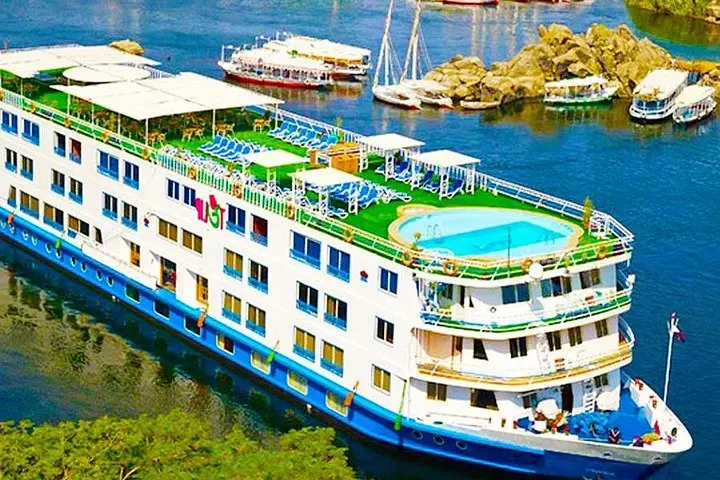
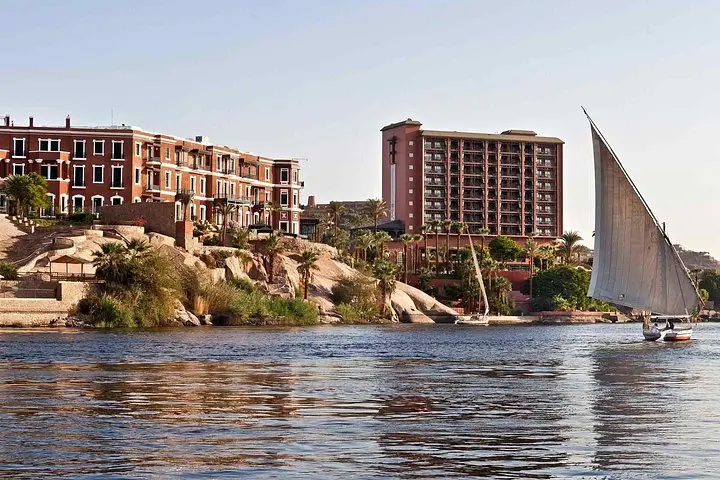
You step onto teak decks as dawn softens the desert ridgeline and the Nile itself seems to push the boat onward, shoulder to shoulder with fishermen and river birds. The city of Luxor slips away behind temple pylons; minarets and palm groves mark a slow, liquid highway toward Aswan.
You step onto teak decks as dawn softens the desert ridgeline and the Nile itself seems to push the boat onward, shoulder to shoulder with fishermen and river birds. The city of Luxor slips away behind temple pylons; minarets and palm groves mark a slow, liquid highway toward Aswan.
This stretch of Upper Egypt stitches together the high drama of Pharaonic Egypt with the patient geography of the Nile Valley. Ancient builders selected these banks for stable bedrock and easy river access — Karnak and Luxor Temples rise from the East Bank while the West Bank shelters the Valley of the Kings and Hatshepsut’s cliff-side mortuary temple. The modern story includes the Aswan High Dam and the UNESCO-led relocation of Philae Temple to Agilkia Island — engineering meeting archaeology.
Culture here is tactile: Nubian color palettes in Aswan, the cadence of Arabic market calls, and the small craft communities that read the river’s moods. Geology is understated but present — the Nile’s alluvial plain presses against the limestone escarpment, creating fertile strips of green.
Practical guidance: the cruise runs four nights (five days including transfers) with daily shore excursions and short walks over uneven stone, steps and sun-exposed routes. Expect long days on site and cool nights on deck. Bring sun protection, sturdy walking shoes, and a refillable bottle; pace your sightseeing to mid-morning and late afternoon to avoid harsh sun. Transfers from Hurghada to Luxor are about four hours by air-conditioned vehicle; the drive from Aswan back is roughly six hours.
Onboard, meals and guided shore visits are typically included; carry local cash for personal purchases and small tips. The Nile rewards slow travel — let the river set your rhythm.