THE ADVENTURE COLLECTIVE® · Independent discovery and booking for outdoor travel

Cruise seven nights along the Upper Nile from Luxor to Aswan, stopping at Edfu, Kom Ombo and the monumental Abu Simbel. This guide outlines what to expect—daily shore excursions, ticketing norms, and practical tips for comfort and timing.
Cruise seven nights along the Upper Nile from Luxor to Aswan, stopping at Edfu, Kom Ombo and the monumental Abu Simbel. This guide outlines what to expect—daily shore excursions, ticketing norms, and practical tips for comfort and timing.
The sundeck smells of strong tea and diesel as the Nile slides past palm fringe and the ochre shoulders of the desert. Travelers stand with cameras while feluccas tack nearer the shore; the river seems to pull the ship downstream, a slow and patient guide that reveals pharaonic monuments in stages.
Verified experiences and guided adventures in the surrounding area.
Operated by Egypt Gift Tours · Luxor, Luxor Governorate
The sundeck smells of strong tea and diesel as the Nile slides past palm fringe and the ochre shoulders of the desert. Travelers stand with cameras while feluccas tack nearer the shore; the river seems to pull the ship downstream, a slow and patient guide that reveals pharaonic monuments in stages.
This 7-night voyage follows the route that framed ancient Egypt: Luxor’s temple fields and the Valley of the Kings, the well-preserved Ptolemaic sanctuary at Edfu, the double temple of Kom Ombo, and the monumental rock-cut temples of Abu Simbel beyond Aswan. Geologically the Nile Valley is an alluvial ribbon carved over millennia; the soft floodplain contrasts with granite outcrops at Aswan that ancient builders exploited for obelisks and statues. Culturally, the trip crosses modern Nubian communities and layers of Greek, Roman and Islamic history visible in Aswan’s quay and Luxor’s colonnades.
Practical points: expect guided shore excursions each day with moderate walking, some steps and short motorboat transfers to Philae. Entrance fees are typically paid locally; carry Egyptian pounds for small vendors and tips. Temperatures can be intense in summer—early morning temple visits and afternoon siestas are common. Comfort comes from sensible footwear, sun protection, and a refillable water bottle. For photographers, dawn and late afternoon deliver the best light on reliefs and Nile banks. On deck you'll find the rhythm of the river—steady, insistent, urging you to look again at a shoreline that has shaped civilization for millennia.
Most entrance fees are not included and must be paid locally; bring a mix of card and Egyptian pounds for smaller sites and vendors.
The shared Abu Simbel trip is a long day (roughly 6–8 hours round trip from Aswan) including road transfer and site time—expect an early pickup.
The cruise is generally accessible with level decks, but temple sites and boat transfers involve steps and uneven surfaces; check specific mobility needs with the operator.
October–April offers cooler, more comfortable touring conditions; summer is very hot and best for travelers who can tolerate high temperatures.
Egypt Gift Tours operates guided outdoor trips and adventures with an emphasis on safety, stewardship, and memorable experiences.
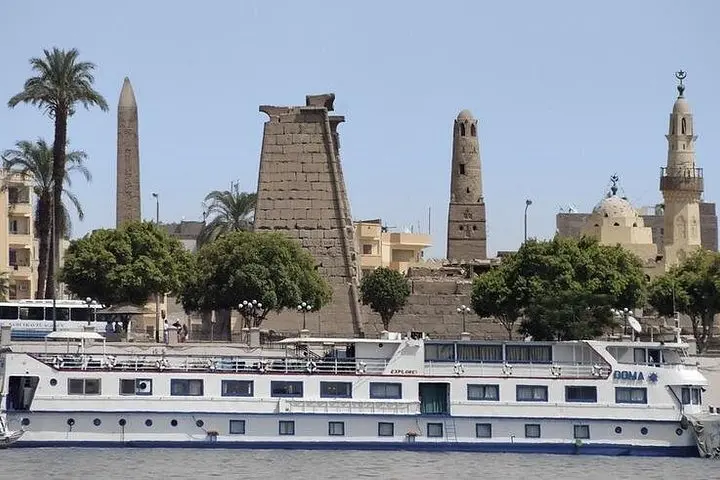
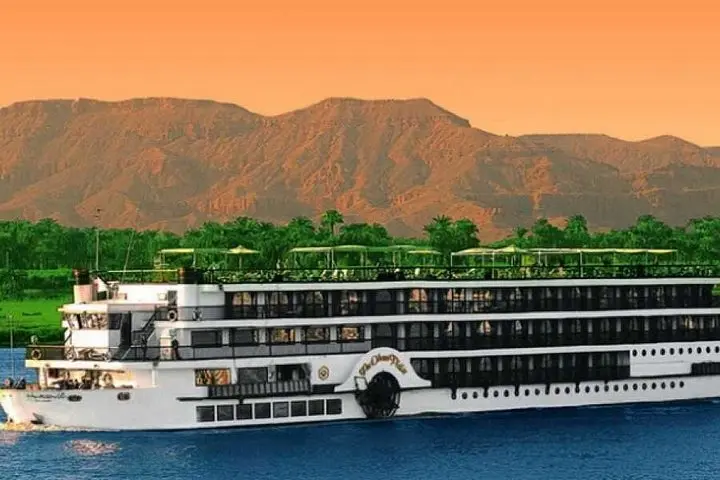
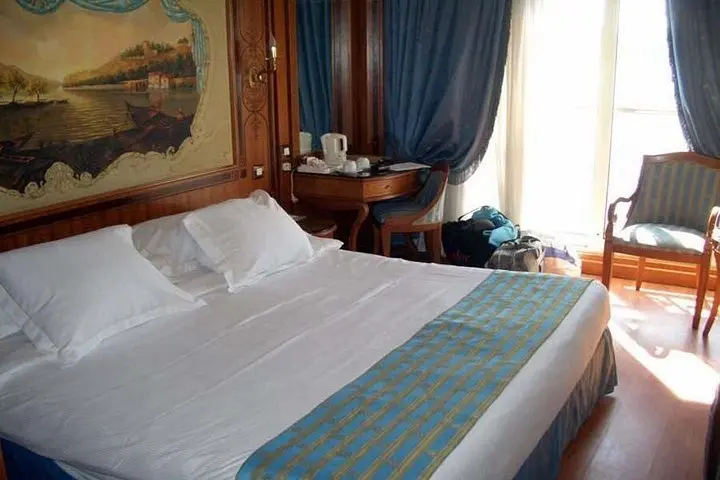
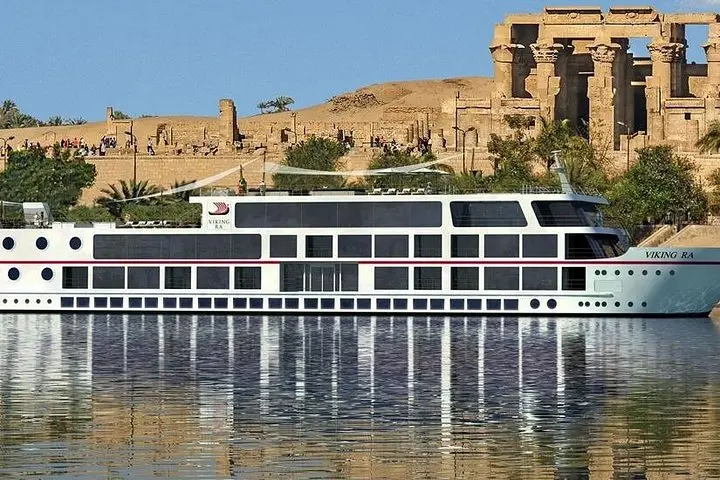
The sundeck smells of strong tea and diesel as the Nile slides past palm fringe and the ochre shoulders of the desert. Travelers stand with cameras while feluccas tack nearer the shore; the river seems to pull the ship downstream, a slow and patient guide that reveals pharaonic monuments in stages.
The sundeck smells of strong tea and diesel as the Nile slides past palm fringe and the ochre shoulders of the desert. Travelers stand with cameras while feluccas tack nearer the shore; the river seems to pull the ship downstream, a slow and patient guide that reveals pharaonic monuments in stages.
This 7-night voyage follows the route that framed ancient Egypt: Luxor’s temple fields and the Valley of the Kings, the well-preserved Ptolemaic sanctuary at Edfu, the double temple of Kom Ombo, and the monumental rock-cut temples of Abu Simbel beyond Aswan. Geologically the Nile Valley is an alluvial ribbon carved over millennia; the soft floodplain contrasts with granite outcrops at Aswan that ancient builders exploited for obelisks and statues. Culturally, the trip crosses modern Nubian communities and layers of Greek, Roman and Islamic history visible in Aswan’s quay and Luxor’s colonnades.
Practical points: expect guided shore excursions each day with moderate walking, some steps and short motorboat transfers to Philae. Entrance fees are typically paid locally; carry Egyptian pounds for small vendors and tips. Temperatures can be intense in summer—early morning temple visits and afternoon siestas are common. Comfort comes from sensible footwear, sun protection, and a refillable water bottle. For photographers, dawn and late afternoon deliver the best light on reliefs and Nile banks. On deck you'll find the rhythm of the river—steady, insistent, urging you to look again at a shoreline that has shaped civilization for millennia.