THE ADVENTURE COLLECTIVE® · Independent discovery and booking for outdoor travel

Board a traditional totora raft to hear the Kon Tiki legend from the Esteban family and feel Lake Titicaca’s high-altitude wind. This half-day experience mixes living pre-Inca craft with practical short crossings and local food tastings.
Board a traditional totora raft to hear the Kon Tiki legend from the Esteban family and feel Lake Titicaca’s high-altitude wind. This half-day experience mixes living pre-Inca craft with practical short crossings and local food tastings.
The raft rocks under your knees as the reed foam tugs at the hull and the high-altitude wind pushes you across a glass-gray bowl of water. Clouds skim the Andean rim and the lake answers with cold, clean gusts that dare you to look farther than the next island.
Verified experiences and guided adventures in the surrounding area.
Operated by VALLANDES BOLIVIA · Copacabana, La Paz Department
The raft rocks under your knees as the reed foam tugs at the hull and the high-altitude wind pushes you across a glass-gray bowl of water. Clouds skim the Andean rim and the lake answers with cold, clean gusts that dare you to look farther than the next island.
Lake Titicaca sits where the Andes widen into a broad, uplifted basin; its shallow shelves are held together by dense beds of totora reed that ancient Andean peoples have used for boats and houses for millennia. The Kon Tiki—or Kon Toki—legend ties these reeds to a larger story: visitors meet the family of Paulino Esteban to hear how local builders and explorers like Thor Heyerdahl reawakened the possibility of pre-Columbian navigation across these waters.
Geology here is obvious: high, oxygen-thin air; volcanic and sedimentary ridgelines framing a lake that’s the highest navigable in the world. Culture arrives in small details: artisan markets on the shore, the rhythm of reed cutting, and a bilingual guide who folds history into each paddle stroke.
Practically, expect short rides on fragile 3–4 m totora balsas, periods of kneeling or seated guiding, and moderate travel time between points. Hydrate early, dress in layers for sun and sudden wind, and keep electronics dry—the spray is fine but persistent. Respect reed beds: they regrow slowly and are the living material that makes this experience possible.
This is an accessible, sensory trip that pairs ethnography with simple seamanship—an easy day on an uncanny, open lake where the landscape seems to read you back.
Individual crossings are short—typically 10–30 minutes—while the full tour runs about 8 hours including transport and stops.
Yes—rafts are stable for seated passengers, but boarding requires bending or stepping; inform the operator of mobility needs in advance.
Expect light spray and occasional splashing; waterproof cases and a quick-dry layer minimize discomfort.
The tour includes a Bolivian tasting and snacks, and a personal water bottle is provided.
VALLANDES BOLIVIA operates guided outdoor trips and adventures with an emphasis on safety, stewardship, and memorable experiences.
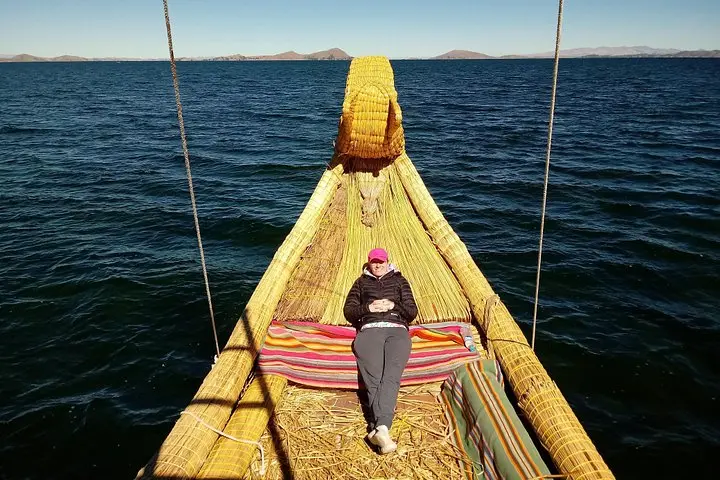
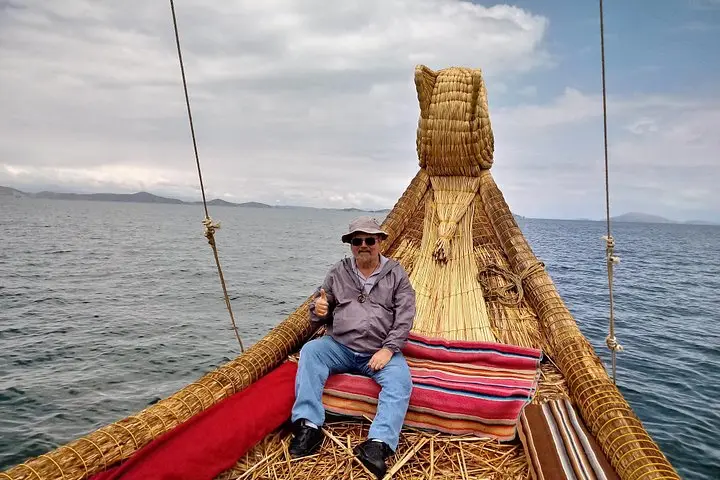
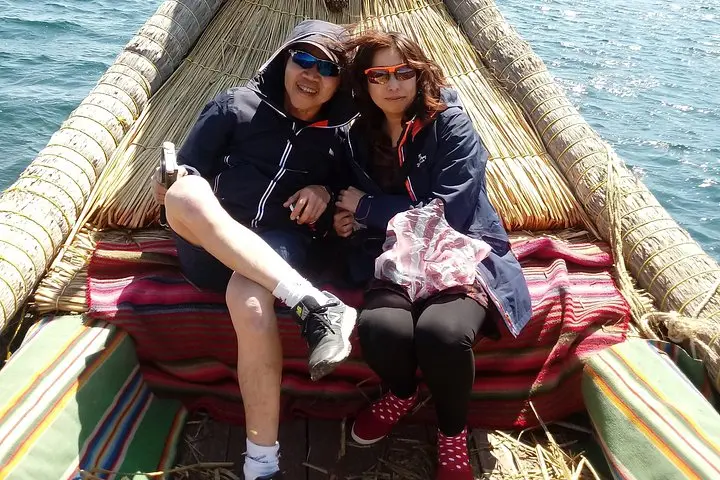
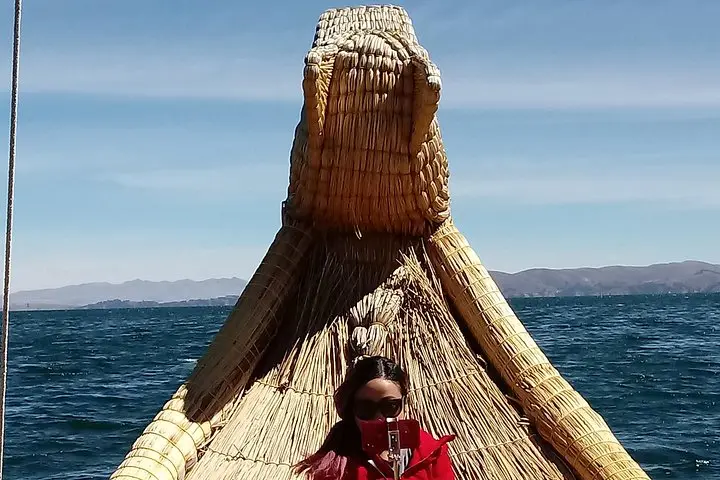
The raft rocks under your knees as the reed foam tugs at the hull and the high-altitude wind pushes you across a glass-gray bowl of water. Clouds skim the Andean rim and the lake answers with cold, clean gusts that dare you to look farther than the next island.
The raft rocks under your knees as the reed foam tugs at the hull and the high-altitude wind pushes you across a glass-gray bowl of water. Clouds skim the Andean rim and the lake answers with cold, clean gusts that dare you to look farther than the next island.
Lake Titicaca sits where the Andes widen into a broad, uplifted basin; its shallow shelves are held together by dense beds of totora reed that ancient Andean peoples have used for boats and houses for millennia. The Kon Tiki—or Kon Toki—legend ties these reeds to a larger story: visitors meet the family of Paulino Esteban to hear how local builders and explorers like Thor Heyerdahl reawakened the possibility of pre-Columbian navigation across these waters.
Geology here is obvious: high, oxygen-thin air; volcanic and sedimentary ridgelines framing a lake that’s the highest navigable in the world. Culture arrives in small details: artisan markets on the shore, the rhythm of reed cutting, and a bilingual guide who folds history into each paddle stroke.
Practically, expect short rides on fragile 3–4 m totora balsas, periods of kneeling or seated guiding, and moderate travel time between points. Hydrate early, dress in layers for sun and sudden wind, and keep electronics dry—the spray is fine but persistent. Respect reed beds: they regrow slowly and are the living material that makes this experience possible.
This is an accessible, sensory trip that pairs ethnography with simple seamanship—an easy day on an uncanny, open lake where the landscape seems to read you back.