THE ADVENTURE COLLECTIVE® · Independent discovery and booking for outdoor travel

Spend three hours sailing the Maro‑Cerro Gordo coast from La Herradura, scanning for dolphins and slipping into hidden coves to snorkel. Small groups, a local captain, and welcome snacks make this an easy coastal outing for first‑time sailors and snorkelers.
Spend three hours sailing the Maro‑Cerro Gordo coast from La Herradura, scanning for dolphins and slipping into hidden coves to snorkel. Small groups, a local captain, and welcome snacks make this an easy coastal outing for first‑time sailors and snorkelers.
Salt spray and low wind set the rhythm as a 12‑meter sailboat slips out of La Herradura harbor and into the pale turquoise pockets of Maro‑Cerro Gordo Natural Park. The cliffs rise like cut stone along the coastline; gulls quarter the air while the boat's wake sketches a quick white line against the sea. On good days dorsal fins thread the surface ahead, and coves open like private rooms for a swim.
Verified experiences and guided adventures in the surrounding area.
Operated by Granada Sailing · La Herradura, Province of Granada
Salt spray and low wind set the rhythm as a 12‑meter sailboat slips out of La Herradura harbor and into the pale turquoise pockets of Maro‑Cerro Gordo Natural Park. The cliffs rise like cut stone along the coastline; gulls quarter the air while the boat's wake sketches a quick white line against the sea. On good days dorsal fins thread the surface ahead, and coves open like private rooms for a swim.
This stretch of Andalusian coast carries layers of history—Phoenician and Roman seafarers once worked these bays, and fishing hamlets still shape local rhythms. Geologically the zone is a collision of limestone headlands and terraces carved by the Mediterranean, producing underwater ledges that attract fish and, in turn, dolphins.
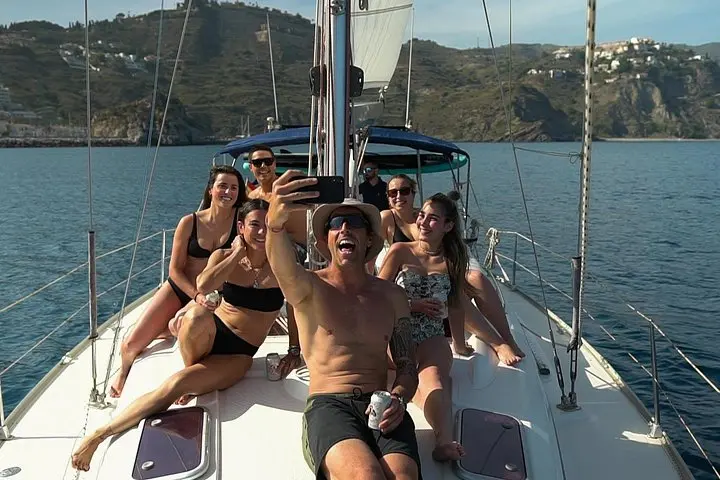
Culturally, the ride is as much social as scenic: small-group sailings include a welcome spread and the captain’s local knowledge, from where to drift for snorkeling to where currents concentrate baitfish. The park’s protected status limits commercial development, so expect rugged cliffs and clear water rather than overcrowded beaches.
Practical guidance: trips run about three hours—arrive 15 minutes early, bring reef‑safe sunscreen, a swimsuit, and shoes that handle wet decks. If you plan to snorkel, bring a mask (some operators provide gear). Wildlife sightings can’t be guaranteed; the captain follows known dolphin routes to maximize chances. Timing matters—mornings are often flatter and better for both viewing and swimming. Respect the park regulations: no anchoring on posidonia meadows and keep noise low so the animals keep moving. The sea here seems to dare you to jump in—be ready to answer.
Captains follow known dolphin routes in the park to maximize sightings, but animals are wild and sightings cannot be guaranteed; many departures do encounter common or bottlenose dolphins.
Some tours supply masks and snorkels, but bringing your own mask ensures fit and hygiene—confirm with the operator before booking.
Yes—trips are family‑friendly; infants must sit on laps and operators often accept strollers for shore access, but check age and safety guidelines when booking.
Operators will cancel if conditions are unsafe; the standard policy allows full refunds if you cancel at least 24 hours prior or if the operator cancels due to weather.
Granada Sailing operates guided outdoor trips and adventures with an emphasis on safety, stewardship, and memorable experiences.
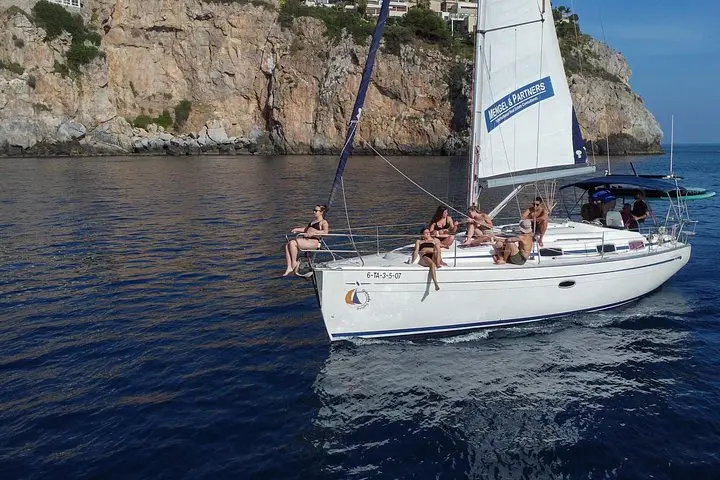
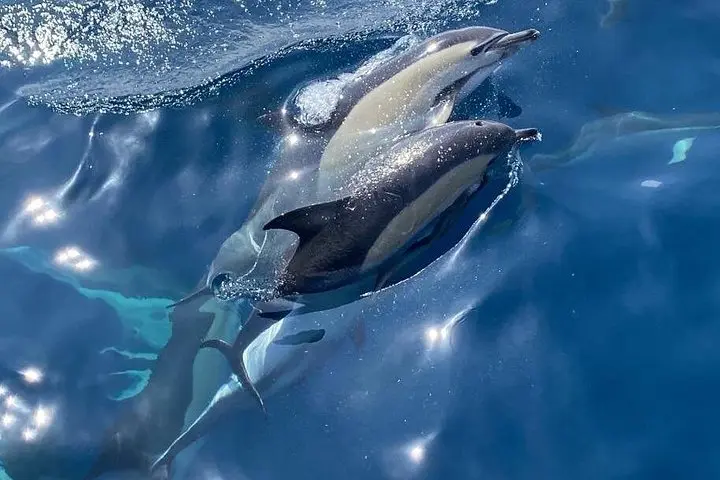
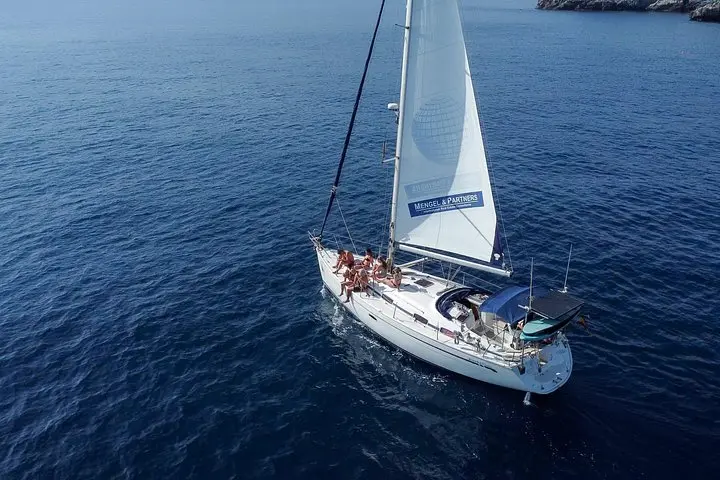
Salt spray and low wind set the rhythm as a 12‑meter sailboat slips out of La Herradura harbor and into the pale turquoise pockets of Maro‑Cerro Gordo Natural Park. The cliffs rise like cut stone along the coastline; gulls quarter the air while the boat's wake sketches a quick white line against the sea. On good days dorsal fins thread the surface ahead, and coves open like private rooms for a swim.
Salt spray and low wind set the rhythm as a 12‑meter sailboat slips out of La Herradura harbor and into the pale turquoise pockets of Maro‑Cerro Gordo Natural Park. The cliffs rise like cut stone along the coastline; gulls quarter the air while the boat's wake sketches a quick white line against the sea. On good days dorsal fins thread the surface ahead, and coves open like private rooms for a swim.
This stretch of Andalusian coast carries layers of history—Phoenician and Roman seafarers once worked these bays, and fishing hamlets still shape local rhythms. Geologically the zone is a collision of limestone headlands and terraces carved by the Mediterranean, producing underwater ledges that attract fish and, in turn, dolphins.
Culturally, the ride is as much social as scenic: small-group sailings include a welcome spread and the captain’s local knowledge, from where to drift for snorkeling to where currents concentrate baitfish. The park’s protected status limits commercial development, so expect rugged cliffs and clear water rather than overcrowded beaches.
Practical guidance: trips run about three hours—arrive 15 minutes early, bring reef‑safe sunscreen, a swimsuit, and shoes that handle wet decks. If you plan to snorkel, bring a mask (some operators provide gear). Wildlife sightings can’t be guaranteed; the captain follows known dolphin routes to maximize chances. Timing matters—mornings are often flatter and better for both viewing and swimming. Respect the park regulations: no anchoring on posidonia meadows and keep noise low so the animals keep moving. The sea here seems to dare you to jump in—be ready to answer.