THE ADVENTURE COLLECTIVE® · Independent discovery and booking for outdoor travel

Float between millennia on a five-day cruise from Luxor to Aswan: temples, tombs and felucca evenings framed by the Nile. This guide describes what you’ll see and how to prepare for the heat, stairs, and archaeology-packed days.
Float between millennia on a five-day cruise from Luxor to Aswan: temples, tombs and felucca evenings framed by the Nile. This guide describes what you’ll see and how to prepare for the heat, stairs, and archaeology-packed days.
The sun rises over the Nile in a thin band of gold, and the river itself seems to push you forward — slow, patient, inevitable. You wake on deck as the cruise slips away from Luxor, minarets and palm-fringed houses shrinking behind, while the desert folds into temple façades and carved rock faces ahead.
Verified experiences and guided adventures in the surrounding area.
Operated by Egyptian Felucca ride On the Nile · Luxor, Luxor Governorate
The sun rises over the Nile in a thin band of gold, and the river itself seems to push you forward — slow, patient, inevitable. You wake on deck as the cruise slips away from Luxor, minarets and palm-fringed houses shrinking behind, while the desert folds into temple façades and carved rock faces ahead.
This five-day voyage threads together Egypt’s most visible eras: the monumental New Kingdom temples of Karnak and Luxor, the royal tombs carved into the West Bank’s limestone at the Valley of the Kings, Ptolemaic sanctuaries at Kom Ombo, and the sandstone colossi of Abu Simbel relocated above the High Dam’s reservoir. Geology and empire meet on the riverbanks — Nile silt against Precambrian granite quarries in Aswan — and each site carries layers of ritual, engineering and political power.
Culture here is public and tactile: vendors call from feluccas, boatmen braid lines on wooden decks, and evening music spills from riverside cafés. Local guides read hieroglyphs into human stories and explain how seasonal floods shaped settlement patterns for millennia.
Practical guidance: expect easy days on board with short, guided excursions each morning and afternoon; be prepared for heat and sun, irregular stone steps at archaeological sites, and photo stops with crowds. Bring sunscreen, a brimmed hat, sturdy walking shoes, and a refillable water bottle. Timing your visit for cooler months (October–April) makes walks and temple visits far more comfortable. Plan paperwork in advance — passport copies and any entry permits — and budget time for short drives to reach Abu Simbel from Aswan.
No — most travel is by boat with short guided excursions; however, expect walking on uneven ground and climbing steps at temples.
Temperatures vary by season; from October–April it's milder, while May–September can be very hot mid-day, so plan activities and hydration accordingly.
Guided visits and admissions listed in the itinerary are included; check booking details for any optional extras like sound-and-light shows or private tours.
Yes — the itinerary includes an Abu Simbel visit; it typically involves a timed transfer (road or optional flight) and early departure to avoid heat and crowds.
Egyptian Felucca ride On the Nile operates guided outdoor trips and adventures with an emphasis on safety, stewardship, and memorable experiences.

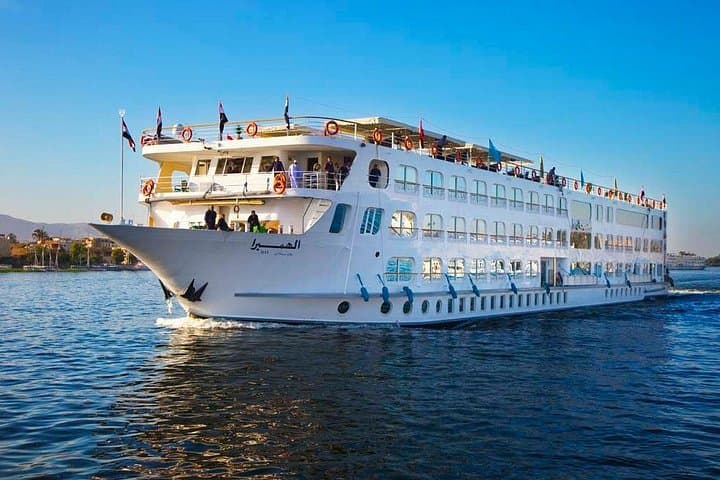
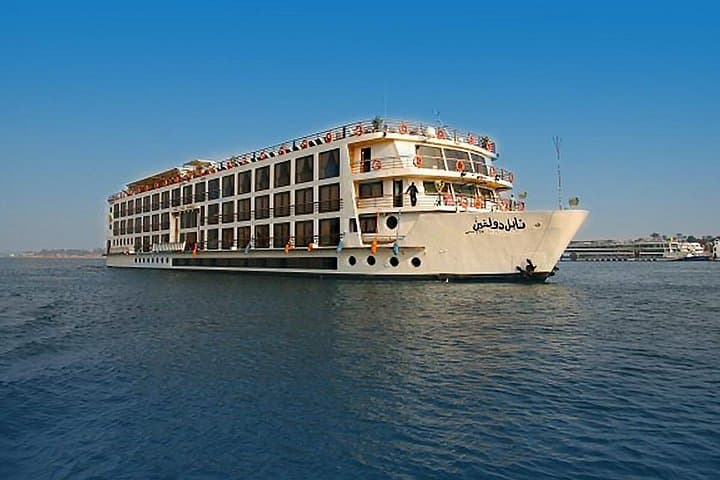
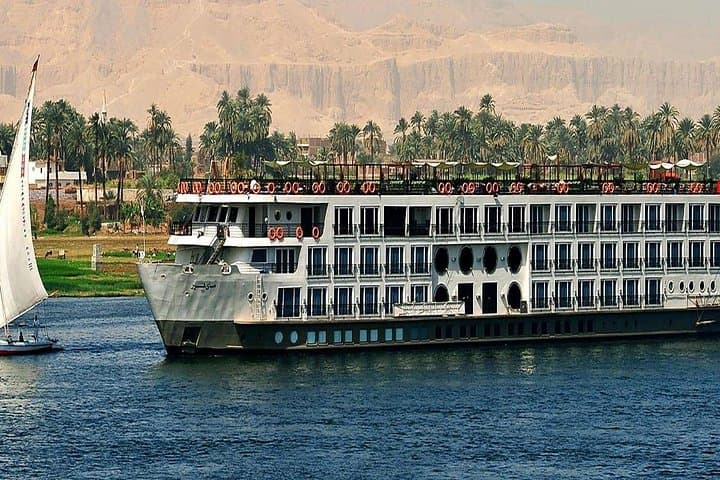
The sun rises over the Nile in a thin band of gold, and the river itself seems to push you forward — slow, patient, inevitable. You wake on deck as the cruise slips away from Luxor, minarets and palm-fringed houses shrinking behind, while the desert folds into temple façades and carved rock faces ahead.
The sun rises over the Nile in a thin band of gold, and the river itself seems to push you forward — slow, patient, inevitable. You wake on deck as the cruise slips away from Luxor, minarets and palm-fringed houses shrinking behind, while the desert folds into temple façades and carved rock faces ahead.
This five-day voyage threads together Egypt’s most visible eras: the monumental New Kingdom temples of Karnak and Luxor, the royal tombs carved into the West Bank’s limestone at the Valley of the Kings, Ptolemaic sanctuaries at Kom Ombo, and the sandstone colossi of Abu Simbel relocated above the High Dam’s reservoir. Geology and empire meet on the riverbanks — Nile silt against Precambrian granite quarries in Aswan — and each site carries layers of ritual, engineering and political power.
Culture here is public and tactile: vendors call from feluccas, boatmen braid lines on wooden decks, and evening music spills from riverside cafés. Local guides read hieroglyphs into human stories and explain how seasonal floods shaped settlement patterns for millennia.
Practical guidance: expect easy days on board with short, guided excursions each morning and afternoon; be prepared for heat and sun, irregular stone steps at archaeological sites, and photo stops with crowds. Bring sunscreen, a brimmed hat, sturdy walking shoes, and a refillable water bottle. Timing your visit for cooler months (October–April) makes walks and temple visits far more comfortable. Plan paperwork in advance — passport copies and any entry permits — and budget time for short drives to reach Abu Simbel from Aswan.