THE ADVENTURE COLLECTIVE® · Independent discovery and booking for outdoor travel

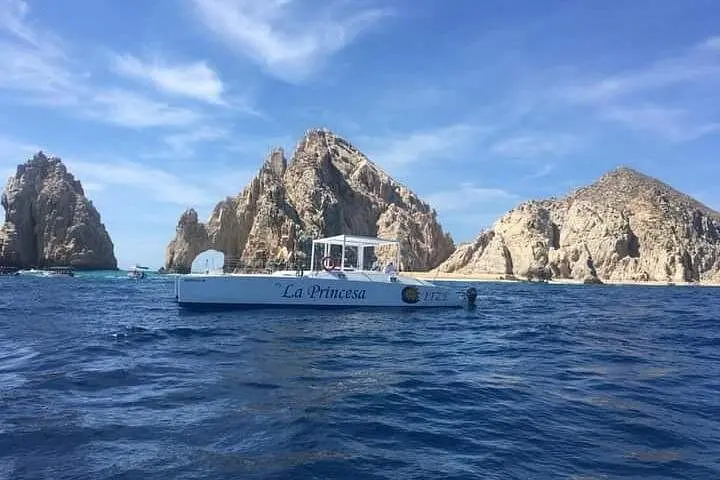
Board a sailing catamaran from Cabo San Lucas for a 2-hour wildlife cruise that searches the waters around El Arco for migrating whales. Expect a calm, educational outing with light refreshments, photo stops, and frequent sightings during the winter–spring peak.
Board a sailing catamaran from Cabo San Lucas for a 2-hour wildlife cruise that searches the waters around El Arco for migrating whales. Expect a calm, educational outing with light refreshments, photo stops, and frequent sightings during the winter–spring peak.
The catamaran slips away from Cabo San Lucas marina just after dawn, sails filling and the harbor shrinking into a band of sunlit water. Sea spray cools your face as the captain steers toward Land’s End; pelicans arc above and the ocean seems to be watching back. Minutes become a quiet vigil — then a blow, a breach, a massive body rolling like a slow thunderclap. Whales don’t just appear; they choose when to show their power, daring you to follow.
Verified experiences and guided adventures in the surrounding area.
Operated by La Princesa Sailing Catamarans · Cabo San Lucas, Baja California Sur
The catamaran slips away from Cabo San Lucas marina just after dawn, sails filling and the harbor shrinking into a band of sunlit water. Sea spray cools your face as the captain steers toward Land’s End; pelicans arc above and the ocean seems to be watching back. Minutes become a quiet vigil — then a blow, a breach, a massive body rolling like a slow thunderclap. Whales don’t just appear; they choose when to show their power, daring you to follow.
This stretch of ocean sits where the Sea of Cortez meets the Pacific, shaped by volcanic uplift and strong currents that funnel krill and small fish. Indigenous coastal communities and later ranching and fishing settlements read the seasonal rhythm of migrating whales and built a local culture of reverence and commerce around them. Today licensed operators offer close, regulated viewing: a mix of natural history narration and respectful distance.
Practically: tours run about two hours and usually include a photo stop at El Arco and light refreshments. Peak viewing runs winter through spring when humpbacks and gray whales migrate along Baja California; sightings are common but not guaranteed. Expect open-deck conditions — sun, wind, and spray — so layer clothing, bring sunscreen, a camera with a wrist strap, and seasickness remedies if you’re prone. Operators often limit capacity and brief guests on safety and respectful distance; follow the guide’s instructions and keep noise low to avoid disturbing the animals. This cruise is an accessible, low-effort way to meet some of the ocean’s largest travelers while learning about the currents and coastline that bring them here.
No—sightings are frequent during peak season (roughly winter through spring) but cannot be guaranteed due to animal movement and weather.
Yes—infants must sit on an adult’s lap; children should be supervised and operators may have age or safety guidance.
The tour is generally easy physically but not recommended for pregnant travelers or those with serious spine or heart conditions; check operator guidance for mobility limitations.
Most operators provide snacks and nonalcoholic drinks; policies on outside food or alcohol vary—confirm at booking.
La Princesa Sailing Catamarans operates guided outdoor trips and adventures with an emphasis on safety, stewardship, and memorable experiences.
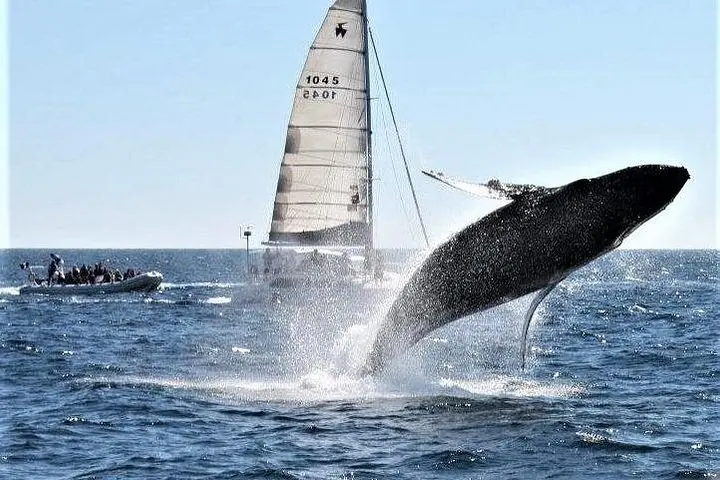
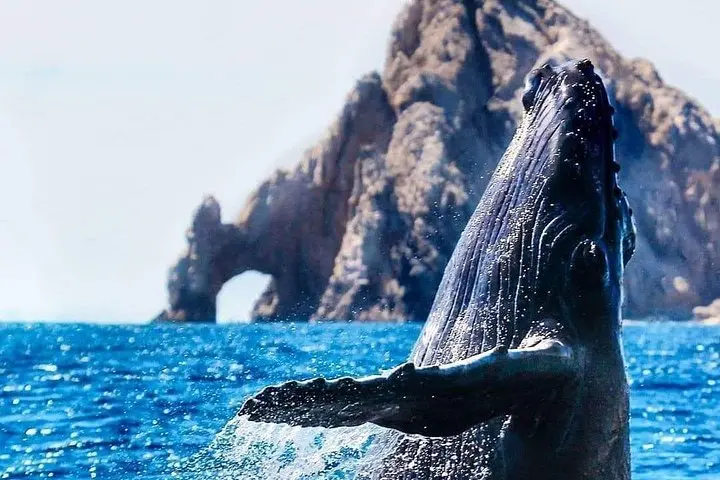
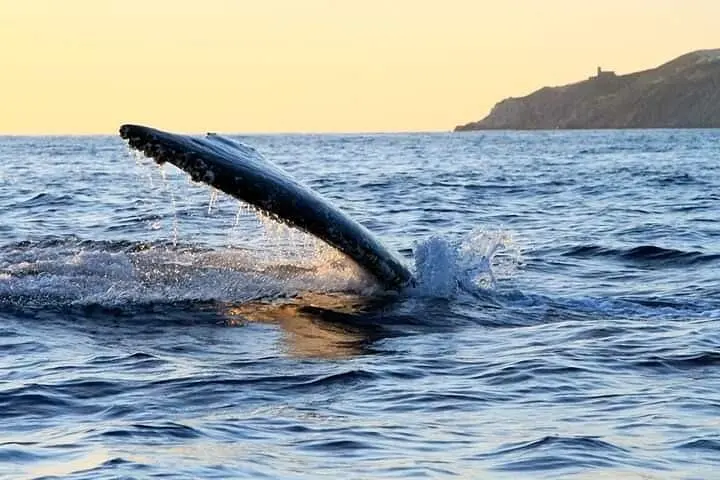
The catamaran slips away from Cabo San Lucas marina just after dawn, sails filling and the harbor shrinking into a band of sunlit water. Sea spray cools your face as the captain steers toward Land’s End; pelicans arc above and the ocean seems to be watching back. Minutes become a quiet vigil — then a blow, a breach, a massive body rolling like a slow thunderclap. Whales don’t just appear; they choose when to show their power, daring you to follow.
The catamaran slips away from Cabo San Lucas marina just after dawn, sails filling and the harbor shrinking into a band of sunlit water. Sea spray cools your face as the captain steers toward Land’s End; pelicans arc above and the ocean seems to be watching back. Minutes become a quiet vigil — then a blow, a breach, a massive body rolling like a slow thunderclap. Whales don’t just appear; they choose when to show their power, daring you to follow.
This stretch of ocean sits where the Sea of Cortez meets the Pacific, shaped by volcanic uplift and strong currents that funnel krill and small fish. Indigenous coastal communities and later ranching and fishing settlements read the seasonal rhythm of migrating whales and built a local culture of reverence and commerce around them. Today licensed operators offer close, regulated viewing: a mix of natural history narration and respectful distance.
Practically: tours run about two hours and usually include a photo stop at El Arco and light refreshments. Peak viewing runs winter through spring when humpbacks and gray whales migrate along Baja California; sightings are common but not guaranteed. Expect open-deck conditions — sun, wind, and spray — so layer clothing, bring sunscreen, a camera with a wrist strap, and seasickness remedies if you’re prone. Operators often limit capacity and brief guests on safety and respectful distance; follow the guide’s instructions and keep noise low to avoid disturbing the animals. This cruise is an accessible, low-effort way to meet some of the ocean’s largest travelers while learning about the currents and coastline that bring them here.