THE ADVENTURE COLLECTIVE® · Independent discovery and booking for outdoor travel
Explore Sails to Rails in Key West — a compact, hands-on museum that links Caribbean shipwrecks to Flagler’s Overseas Railway. Ideal for a 30–60 minute stop while touring the Historic Seaport.
Explore Sails to Rails in Key West — a compact, hands-on museum that links Caribbean shipwrecks to Flagler’s Overseas Railway. Ideal for a 30–60 minute stop while touring the Historic Seaport.
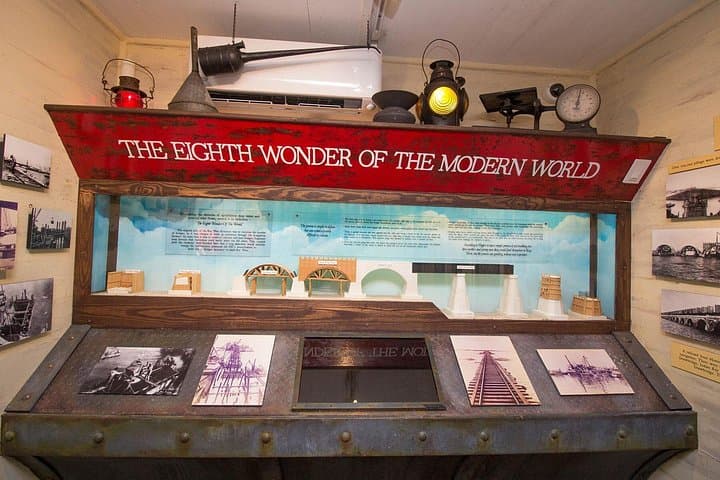
You step off the waterfront boardwalk and into a museum that feels like a cargo hold of time: salt-touched wood, catalogued artifacts, and models that re-create storms and iron rails. Sails to Rails occupies a corner of the Key West Bight where the Gulf meets a long human history of shipping, turtling, sponging and the railroad that stitched Florida to the mainland.
Verified experiences and guided adventures in the surrounding area.
Operated by Historic Tours Of America · Key West, Florida
You step off the waterfront boardwalk and into a museum that feels like a cargo hold of time: salt-touched wood, catalogued artifacts, and models that re-create storms and iron rails. Sails to Rails occupies a corner of the Key West Bight where the Gulf meets a long human history of shipping, turtling, sponging and the railroad that stitched Florida to the mainland.
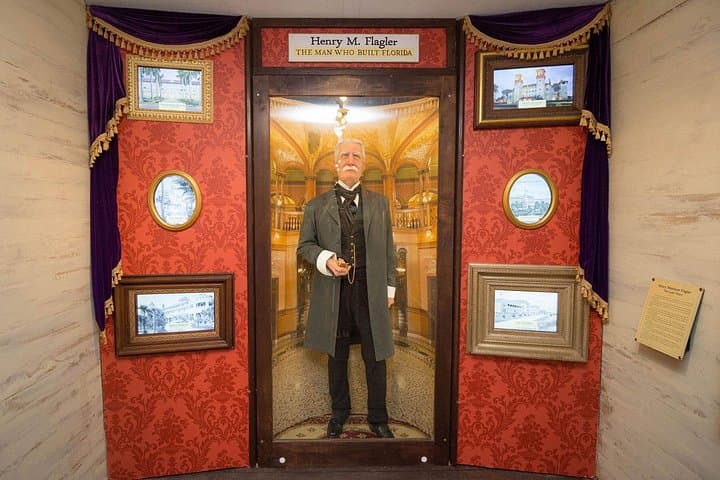
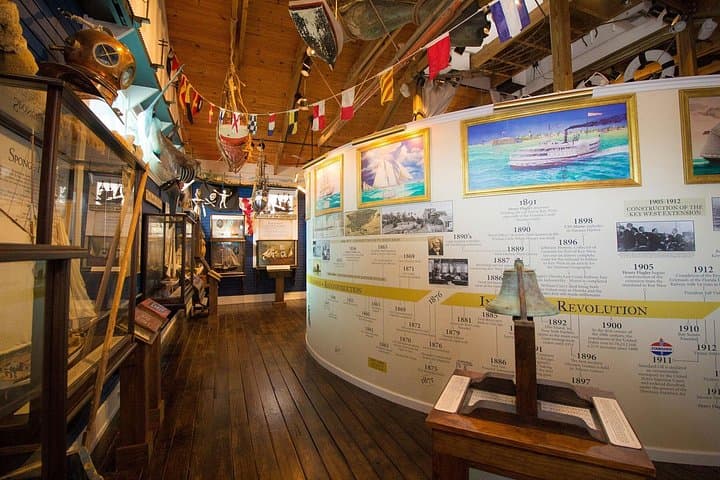
The exhibits trace the Age of Sail — Spanish galleons and privateers — then pivot to the audacious engineering of Henry Flagler’s Overseas Railway. See a genuine silver bar from the Atocha, the paymaster’s car from the Florida East Coast Railway, and the Maggie Atwell House, the last wooden structure built by the FEC.
Geology here is implied rather than grand: low limestone islands, mangrove-lined flats, and coral foundations that forced engineers to innovate. Culturally, Key West’s maritime trades — cigar-making, sponging, and fishing — surface in tactile displays and oral histories.
Practical notes: plan 30–60 minutes; the museum is compact and accessible Monday–Saturday 9:30am–3:30pm (closed Sunday). Wheelchair and stroller access are available. Combine the visit with a walk of the Historic Seaport or an early-evening stop at Mallory Square for sunset street performances. Bring sun protection for outdoor walking and allow extra time if you want to read the railway panels or photograph the Fort Jefferson scale model. Tickets are mobile-friendly and suited to families or history buffs who prefer a focused, interpretive stop rather than a full-day itinerary.
Open Monday–Saturday from 9:30am to 3:30pm; closed Sundays.
Yes — all areas and surfaces are wheelchair accessible and stroller-friendly.
Most visitors spend 30–60 minutes; allow more time if you plan to read all panels and photograph artifacts.
Tickets can be presented on mobile devices; cancel at least 24 hours in advance for a full refund per the standard policy.
Historic Tours Of America operates guided outdoor trips and adventures with an emphasis on safety, stewardship, and memorable experiences.
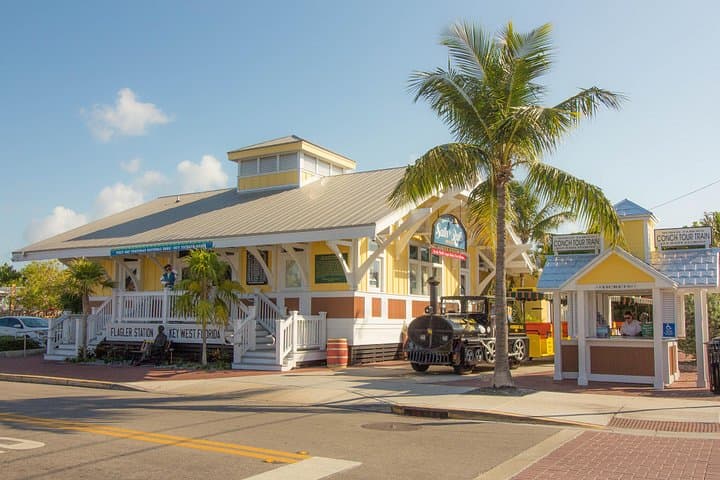
You step off the waterfront boardwalk and into a museum that feels like a cargo hold of time: salt-touched wood, catalogued artifacts, and models that re-create storms and iron rails. Sails to Rails occupies a corner of the Key West Bight where the Gulf meets a long human history of shipping, turtling, sponging and the railroad that stitched Florida to the mainland.
You step off the waterfront boardwalk and into a museum that feels like a cargo hold of time: salt-touched wood, catalogued artifacts, and models that re-create storms and iron rails. Sails to Rails occupies a corner of the Key West Bight where the Gulf meets a long human history of shipping, turtling, sponging and the railroad that stitched Florida to the mainland.
The exhibits trace the Age of Sail — Spanish galleons and privateers — then pivot to the audacious engineering of Henry Flagler’s Overseas Railway. See a genuine silver bar from the Atocha, the paymaster’s car from the Florida East Coast Railway, and the Maggie Atwell House, the last wooden structure built by the FEC.
Geology here is implied rather than grand: low limestone islands, mangrove-lined flats, and coral foundations that forced engineers to innovate. Culturally, Key West’s maritime trades — cigar-making, sponging, and fishing — surface in tactile displays and oral histories.
Practical notes: plan 30–60 minutes; the museum is compact and accessible Monday–Saturday 9:30am–3:30pm (closed Sunday). Wheelchair and stroller access are available. Combine the visit with a walk of the Historic Seaport or an early-evening stop at Mallory Square for sunset street performances. Bring sun protection for outdoor walking and allow extra time if you want to read the railway panels or photograph the Fort Jefferson scale model. Tickets are mobile-friendly and suited to families or history buffs who prefer a focused, interpretive stop rather than a full-day itinerary.
