THE ADVENTURE COLLECTIVE® · Independent discovery and booking for outdoor travel

A 15-day circuit that balances village culture with broad Himalayan panoramas. Expect rhododendron forests, simple camps and daily walks of 4–7 hours across the Sailung ridge.
A 15-day circuit that balances village culture with broad Himalayan panoramas. Expect rhododendron forests, simple camps and daily walks of 4–7 hours across the Sailung ridge.
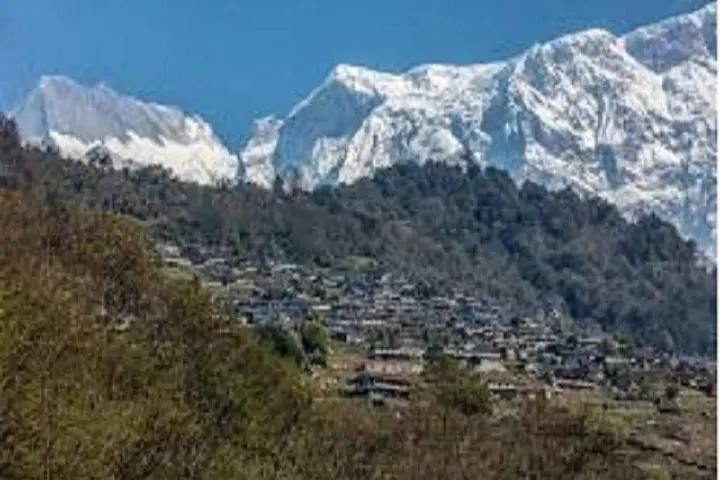
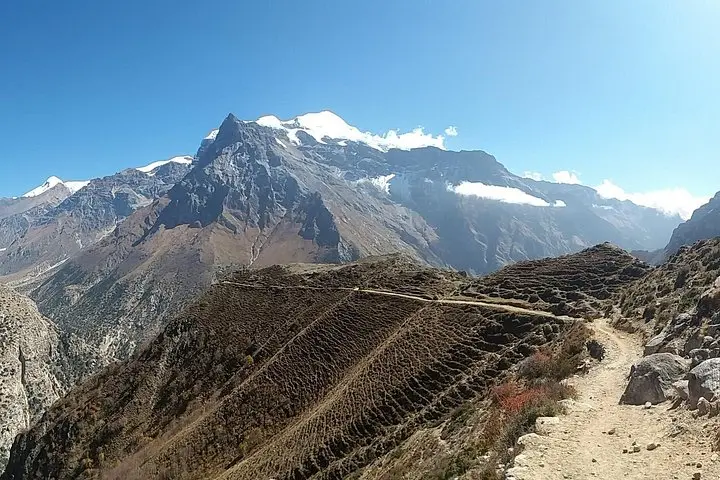
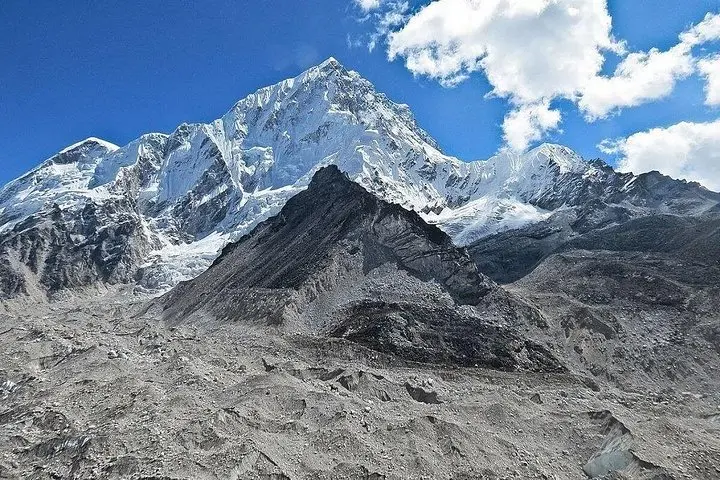
A dawn of prayer flags and cold tea: you step out of a jeep at Mude and the air immediately feels higher, thinner, honest. The sail-like ridgeline of Sailung rises ahead, its meadows and terraces cutting a simple silhouette against the giant teeth of Everest, Gauri Shankar and Manaslu that peek over nearer ridges. Rhododendron groves press close on the trail, their trunks leaning like curious neighbors.
Verified experiences and guided adventures in the surrounding area.
Operated by Mega Mount Trekking Expedition P. Ltd · Kathmandu, Bagmati Province
A dawn of prayer flags and cold tea: you step out of a jeep at Mude and the air immediately feels higher, thinner, honest. The sail-like ridgeline of Sailung rises ahead, its meadows and terraces cutting a simple silhouette against the giant teeth of Everest, Gauri Shankar and Manaslu that peek over nearer ridges. Rhododendron groves press close on the trail, their trunks leaning like curious neighbors.
The route threads rural Tamang and Sherpa settlements where stone farmhouses and ancient gompas recall six centuries of Buddhist practice and highland agriculture. Geologically, Sailung sits on the southern flanks of the main Himalayan thrust — folded rock, steep river valleys and terraced slopes that channel monsoon and meltwater toward the Koshi basin.
Culturally the trek is as much about people as peaks: yak herders, tea-house hosts, and small monastery communities keep traditional festivals and oral histories alive. Forests of oak and pine provide habitat for pheasant and occasional barking deer, while the open meadows give broad panoramas that reward slow morning walks.
Practical guidance: expect 4–7 hour walking days between camps and lodges, frequent altitude gain and loss but no technical climbing. Carry layered insulation for cold nights, a reliable sleeping bag, and water treatment — potable sources vary. Trekking in spring (rhododendron bloom) or autumn (clear skies) yields the best views; monsoon months are muddy and winter brings frost and shorter daylight. Plan for simple camping and teahouse facilities, and travel with a local operator who manages porters, permits and acclimatization days.
No special national park permits are typically required, but you should travel with a registered operator who handles local entry and community fees.
Spring (March–May) and autumn (September–November) offer the clearest views and stable weather; monsoon months are wet and winter is cold with occasional snow.
The itinerary mixes simple camps and basic teahouses in villages; expect shared sleeping areas and communal meals on most nights.
Yes—some legs reach higher elevation quickly; follow rest days, hydrate, and inform leaders of symptoms early.
Mega Mount Trekking Expedition P. Ltd operates guided outdoor trips and adventures with an emphasis on safety, stewardship, and memorable experiences.
A dawn of prayer flags and cold tea: you step out of a jeep at Mude and the air immediately feels higher, thinner, honest. The sail-like ridgeline of Sailung rises ahead, its meadows and terraces cutting a simple silhouette against the giant teeth of Everest, Gauri Shankar and Manaslu that peek over nearer ridges. Rhododendron groves press close on the trail, their trunks leaning like curious neighbors.
A dawn of prayer flags and cold tea: you step out of a jeep at Mude and the air immediately feels higher, thinner, honest. The sail-like ridgeline of Sailung rises ahead, its meadows and terraces cutting a simple silhouette against the giant teeth of Everest, Gauri Shankar and Manaslu that peek over nearer ridges. Rhododendron groves press close on the trail, their trunks leaning like curious neighbors.
The route threads rural Tamang and Sherpa settlements where stone farmhouses and ancient gompas recall six centuries of Buddhist practice and highland agriculture. Geologically, Sailung sits on the southern flanks of the main Himalayan thrust — folded rock, steep river valleys and terraced slopes that channel monsoon and meltwater toward the Koshi basin.
Culturally the trek is as much about people as peaks: yak herders, tea-house hosts, and small monastery communities keep traditional festivals and oral histories alive. Forests of oak and pine provide habitat for pheasant and occasional barking deer, while the open meadows give broad panoramas that reward slow morning walks.
Practical guidance: expect 4–7 hour walking days between camps and lodges, frequent altitude gain and loss but no technical climbing. Carry layered insulation for cold nights, a reliable sleeping bag, and water treatment — potable sources vary. Trekking in spring (rhododendron bloom) or autumn (clear skies) yields the best views; monsoon months are muddy and winter brings frost and shorter daylight. Plan for simple camping and teahouse facilities, and travel with a local operator who manages porters, permits and acclimatization days.