THE ADVENTURE COLLECTIVE® · Independent discovery and booking for outdoor travel

Walk Saint Augustine’s oldest streets with a pro and learn how Spanish-era light, coquina walls, and narrow alleys make powerful photographs. This two-hour guided tour blends history and hands-on instruction for photographers of all levels.
Walk Saint Augustine’s oldest streets with a pro and learn how Spanish-era light, coquina walls, and narrow alleys make powerful photographs. This two-hour guided tour blends history and hands-on instruction for photographers of all levels.
Morning in St. Augustine arrives as a cooler, amber light that slides down narrow streets and paints coquina walls gold. On this two-hour walking photo tour you move through Aviles Street's tight alleys, pause beneath the Bell Wall and Bell Tower, and find compositions in iron gates and shaded courtyards — each frame shaped by Spanish-era lines and coastal light.
Verified experiences and guided adventures in the surrounding area.
Operated by Saint Augustine Historic Photo Tours · Saint Augustine, Florida
Morning in St. Augustine arrives as a cooler, amber light that slides down narrow streets and paints coquina walls gold. On this two-hour walking photo tour you move through Aviles Street's tight alleys, pause beneath the Bell Wall and Bell Tower, and find compositions in iron gates and shaded courtyards — each frame shaped by Spanish-era lines and coastal light.
The city’s story is visible in its materials: tabby and coquina echo centuries of coastal geology and colonial craft. Founded in 1565, St. Augustine is the nation’s oldest continuously occupied European settlement; architecture here reflects Spanish mission design, Victorian additions from Flagler’s Gilded Age, and a living arts scene concentrated around the original artist district on Aviles.
Beyond history, the district is an urban ecosystem — gulls and herons wheel near the harbor while city trees temper midday heat. Local culture favors small galleries, family-run cafes, and careful preservation of fragile masonry, so photographers move with respectful curiosity.
Plan your session for hour after sunrise or late afternoon for the most flattering light. Expect uneven cobblestones and short stretches of standing room in popular plazas; comfortable shoes matter as much as lenses. Bring a wide and a short telephoto or a smartphone with tele conversion, and use a small tripod or steady hand for low-light chapel interiors. Hydrate, scout compositions before shooting, and ask permission when framing people or private courtyards. The result is not just a lineup of pretty images but a clearer way to see the city’s lines, textures, and stories.
The tour meets at Relampago Coffee Lab, 74 Spanish St, and ends at Plaza de la Constitución near the Cathedral Basilica.
Yes — the guide tailors instruction from basic composition to advanced tips depending on participants’ experience.
The tour is listed as wheelchair accessible, but some historic areas have rough pavement and tight passages that may be challenging for large mobility devices.
Full refund available if canceled at least 24 hours before departure; the tour may be canceled for bad weather.
Saint Augustine Historic Photo Tours operates guided outdoor trips and adventures with an emphasis on safety, stewardship, and memorable experiences.
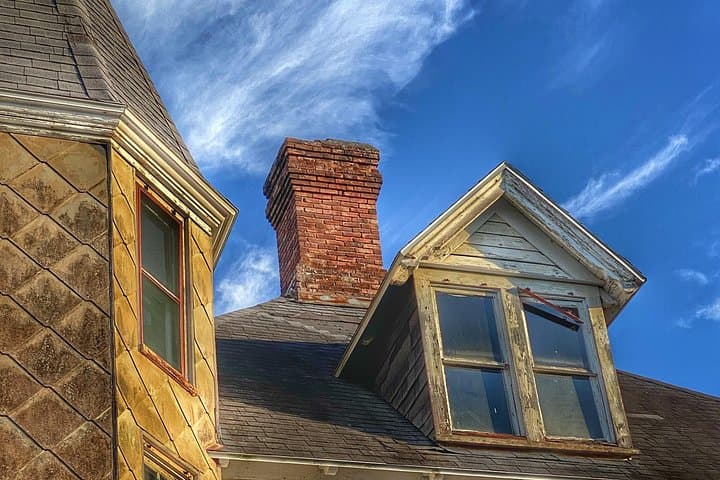
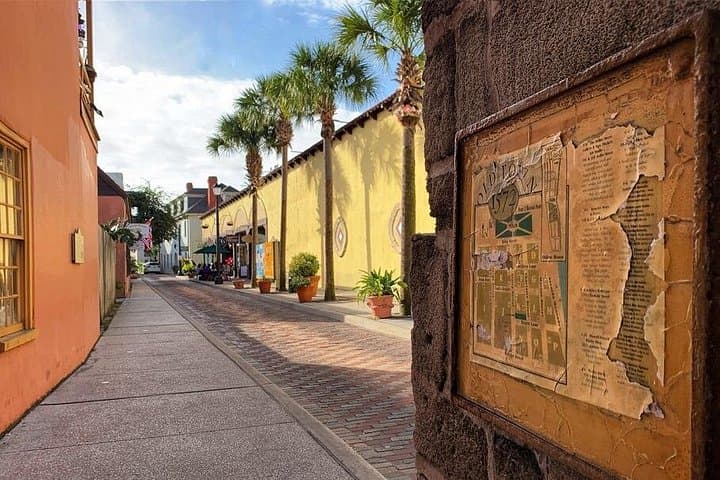
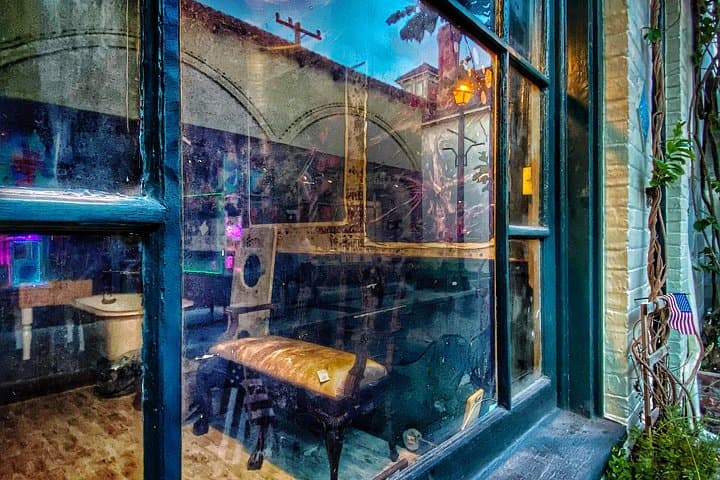
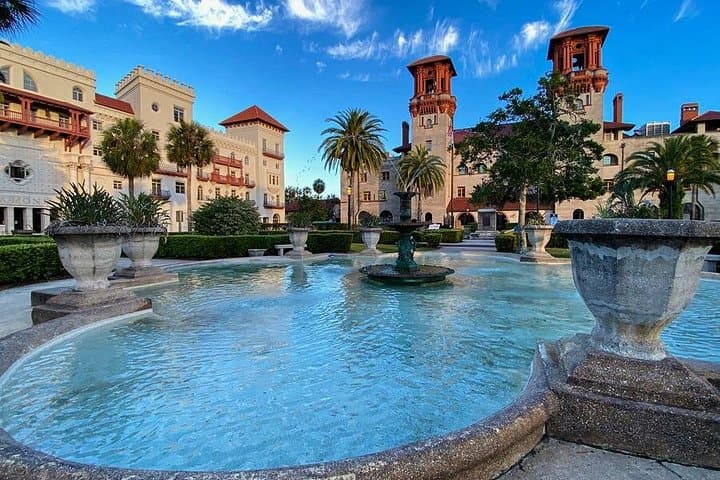
Morning in St. Augustine arrives as a cooler, amber light that slides down narrow streets and paints coquina walls gold. On this two-hour walking photo tour you move through Aviles Street's tight alleys, pause beneath the Bell Wall and Bell Tower, and find compositions in iron gates and shaded courtyards — each frame shaped by Spanish-era lines and coastal light.
Morning in St. Augustine arrives as a cooler, amber light that slides down narrow streets and paints coquina walls gold. On this two-hour walking photo tour you move through Aviles Street's tight alleys, pause beneath the Bell Wall and Bell Tower, and find compositions in iron gates and shaded courtyards — each frame shaped by Spanish-era lines and coastal light.
The city’s story is visible in its materials: tabby and coquina echo centuries of coastal geology and colonial craft. Founded in 1565, St. Augustine is the nation’s oldest continuously occupied European settlement; architecture here reflects Spanish mission design, Victorian additions from Flagler’s Gilded Age, and a living arts scene concentrated around the original artist district on Aviles.
Beyond history, the district is an urban ecosystem — gulls and herons wheel near the harbor while city trees temper midday heat. Local culture favors small galleries, family-run cafes, and careful preservation of fragile masonry, so photographers move with respectful curiosity.
Plan your session for hour after sunrise or late afternoon for the most flattering light. Expect uneven cobblestones and short stretches of standing room in popular plazas; comfortable shoes matter as much as lenses. Bring a wide and a short telephoto or a smartphone with tele conversion, and use a small tripod or steady hand for low-light chapel interiors. Hydrate, scout compositions before shooting, and ask permission when framing people or private courtyards. The result is not just a lineup of pretty images but a clearer way to see the city’s lines, textures, and stories.