THE ADVENTURE COLLECTIVE® · Independent discovery and booking for outdoor travel

Drive Saint Lucia’s dramatic west coast from Gros Islet to Anse la Raye, stopping at panoramic lookouts, Marigot Bay, and village fish fries. This short private tour pairs coastal geology and local culture with photo-ready viewpoints.
Drive Saint Lucia’s dramatic west coast from Gros Islet to Anse la Raye, stopping at panoramic lookouts, Marigot Bay, and village fish fries. This short private tour pairs coastal geology and local culture with photo-ready viewpoints.
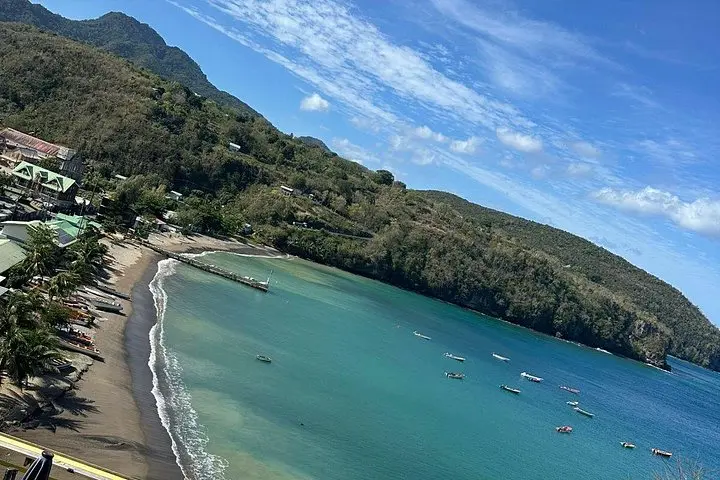
You step into a cool, air-conditioned van in Gros Islet and the coastline unfolds—steep green hills leaning toward turquoise bays, fishing skiffs rocking like metronomes, and a coastal road that keeps revealing new vantage points.
Verified experiences and guided adventures in the surrounding area.
Operated by Jays758Tours · Castries, Castries District
You step into a cool, air-conditioned van in Gros Islet and the coastline unfolds—steep green hills leaning toward turquoise bays, fishing skiffs rocking like metronomes, and a coastal road that keeps revealing new vantage points.
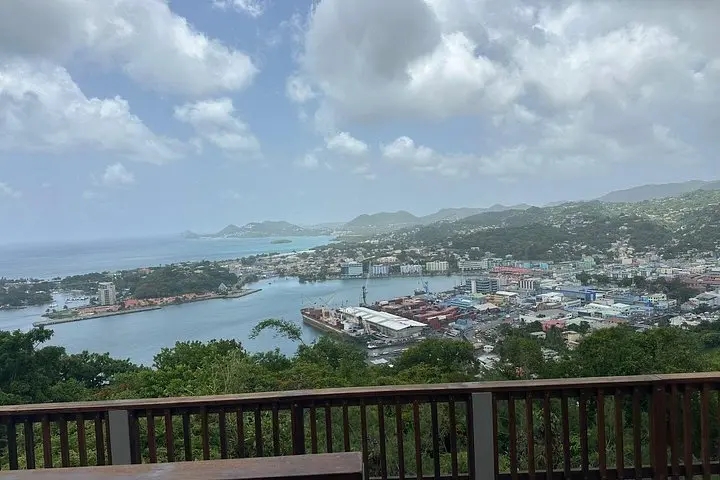
The route threads past Castries’ market edge and up to Morne Fortune, a ridge that once watched colonial fleets arrive and now hands you a clear view of the harbor. Geologically the west coast shows volcanic bones—black rock outcrops and sheltered bays carved by past eruptions and long-term reef-building. Marigot Bay’s sheltered waters glint as if painted; Anse la Raye announces itself with smoke and frying pans on market nights.
This is both a cultural and visual tour: seaside villages where livelihood still centers on fish and small-scale trade, British and French colonial traces in road names and fort ruins, and local drivers ready to explain how fishing, rum, and tourism interlock here.
Practical guidance: the tour runs about 2½ hours with multiple short stops; wear closed-toe walking shoes for uneven village piers and a hat—tropical sun is relentless. Bring water, cash for quick food stalls and tips, and a camera with a zoom for birds and harbor scenes. If you’re prone to motion sickness, sit near the front and request a window seat.
Timing matters—late afternoon softens light and cools the road, while Friday nights introduce the well-known fish fry rhythms in Anse la Raye. Expect relaxed pacing, local commentary, and easy access for most travelers.
Pickups typically start in Gros Islet and can be arranged from most hotels in the north and Castries area—confirm your specific pickup point when booking.
Yes; the tour is family-friendly but infants must sit on laps. Short stops are stroller-accessible in many places but expect uneven surfaces at local piers.
Transport and commentary are included; food, drinks, and any admissions at stops like local eateries are additional and paid on site.
Local guides commonly speak English; many also understand basic French and Creole phrases and will share cultural context during stops.
Jays758Tours operates guided outdoor trips and adventures with an emphasis on safety, stewardship, and memorable experiences.

You step into a cool, air-conditioned van in Gros Islet and the coastline unfolds—steep green hills leaning toward turquoise bays, fishing skiffs rocking like metronomes, and a coastal road that keeps revealing new vantage points.
You step into a cool, air-conditioned van in Gros Islet and the coastline unfolds—steep green hills leaning toward turquoise bays, fishing skiffs rocking like metronomes, and a coastal road that keeps revealing new vantage points.
The route threads past Castries’ market edge and up to Morne Fortune, a ridge that once watched colonial fleets arrive and now hands you a clear view of the harbor. Geologically the west coast shows volcanic bones—black rock outcrops and sheltered bays carved by past eruptions and long-term reef-building. Marigot Bay’s sheltered waters glint as if painted; Anse la Raye announces itself with smoke and frying pans on market nights.
This is both a cultural and visual tour: seaside villages where livelihood still centers on fish and small-scale trade, British and French colonial traces in road names and fort ruins, and local drivers ready to explain how fishing, rum, and tourism interlock here.
Practical guidance: the tour runs about 2½ hours with multiple short stops; wear closed-toe walking shoes for uneven village piers and a hat—tropical sun is relentless. Bring water, cash for quick food stalls and tips, and a camera with a zoom for birds and harbor scenes. If you’re prone to motion sickness, sit near the front and request a window seat.
Timing matters—late afternoon softens light and cools the road, while Friday nights introduce the well-known fish fry rhythms in Anse la Raye. Expect relaxed pacing, local commentary, and easy access for most travelers.