THE ADVENTURE COLLECTIVE® · Independent discovery and booking for outdoor travel

Spend a day on Sakushima learning traditional rural Japanese skills—wood‑chopping, building a campfire, and cooking rice in a kamado—plus a relaxed art walk. This hands‑on program pairs cultural history with practical instruction and easy island time.
Spend a day on Sakushima learning traditional rural Japanese skills—wood‑chopping, building a campfire, and cooking rice in a kamado—plus a relaxed art walk. This hands‑on program pairs cultural history with practical instruction and easy island time.
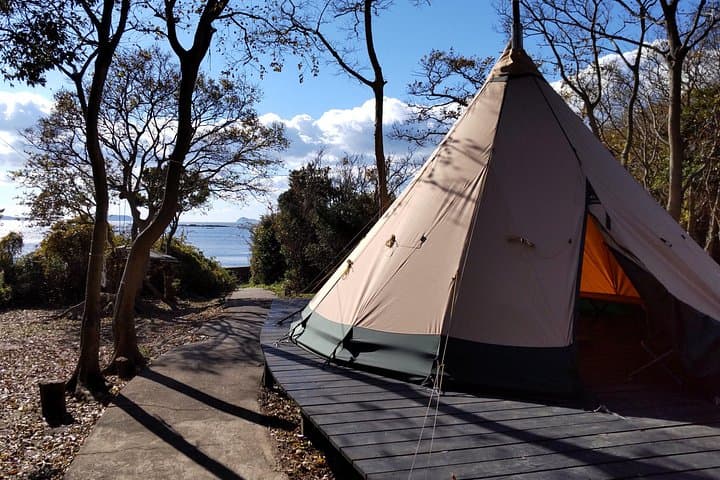
You step off the ferry as the sea throws a cool breeze across low cliffs and scrubby pines—Sakushima’s shore greets you with the smell of salt, wood smoke, and hot iron. The day begins in Nishio before a 30-minute ferry that moves like a quiet promise toward an island shaped by tides and human hands.
Verified experiences and guided adventures in the surrounding area.
Operated by Tourism Designers Co., Ltd. · Nishio, Aichi Prefecture
You step off the ferry as the sea throws a cool breeze across low cliffs and scrubby pines—Sakushima’s shore greets you with the smell of salt, wood smoke, and hot iron. The day begins in Nishio before a 30-minute ferry that moves like a quiet promise toward an island shaped by tides and human hands.
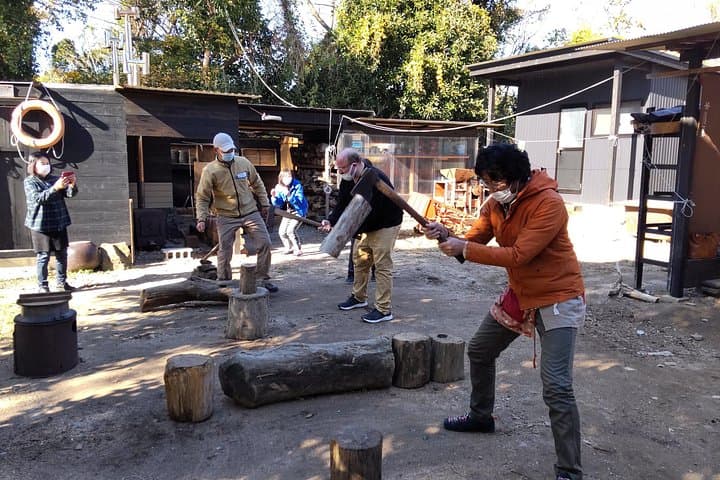
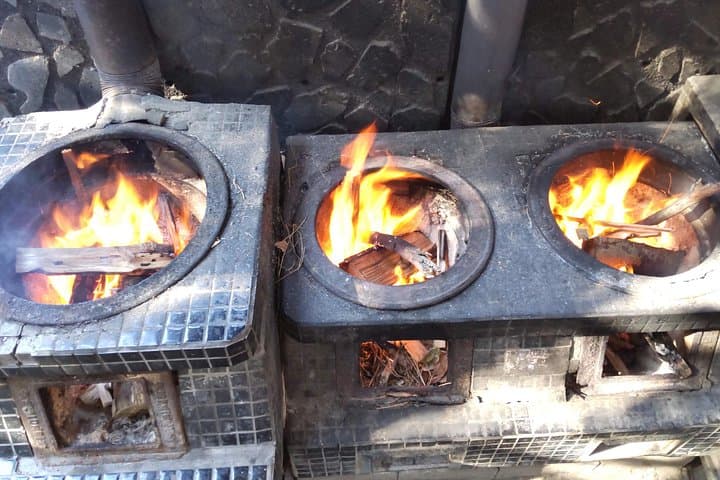
Geologically Sakushima is a raised island of Mikawa Bay, its flat fields and low cliffs formed by ancient sea action and sediment. Historically the island has supported small fishing and farming communities; today simple wooden houses and outdoor workshops keep those skills alive. At Nekko Juku you’ll practice wood‑chopping, learn to stack a campfire that breathes, and cook rice the old way in a clay kamado, then plate Ichiju Sansai—one soup and three side dishes—sourced from the island’s larder.
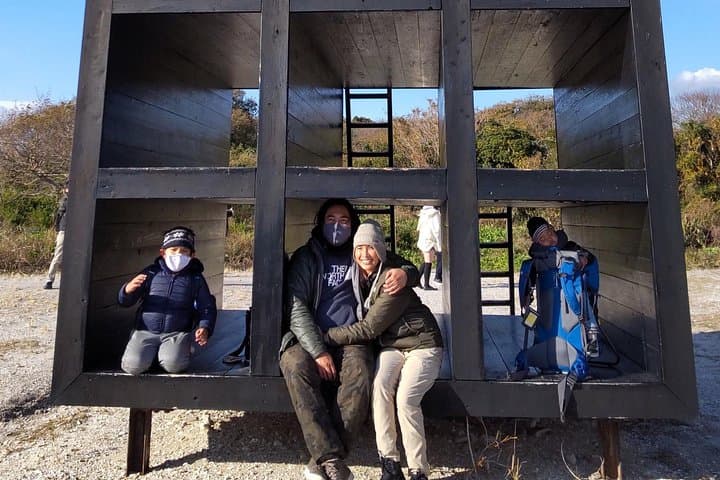
Culture here is pragmatic: crafts, meals, and art live side by side. If time allows, an art walk visits Ohirune House and scattered installations that use driftwood and pigment to talk about place.
Practical guidance: meet at Nishio Station early; the full program runs roughly 7–8 hours including bus and ferry transfers. Wear sturdy shoes for the beach and light physical tasks, bring a windproof layer and seasickness meds if prone, and carry a reusable water bottle. Expect hands‑on instruction, small group pace, and plenty of unstructured time to sit, sketch, or sip tea while the tide changes. This is a low‑impact, tactile day intended to reconnect you to how food and shelter are made by hand.
Meet at Nishio Station in the morning; a bus to Isshiki Port is included in the program before the ferry to Sakushima.
Yes—this program is designed for all fitness levels; tasks are supervised and can be adjusted for ability.
Lunch is traditional Ichiju Sansai made from local ingredients; notify organizers of dietary needs when booking so they can prepare alternatives if possible.
Reception is spotty in places on the island; plan accordingly and bring any essentials before departure.
Tourism Designers Co., Ltd. operates guided outdoor trips and adventures with an emphasis on safety, stewardship, and memorable experiences.
You step off the ferry as the sea throws a cool breeze across low cliffs and scrubby pines—Sakushima’s shore greets you with the smell of salt, wood smoke, and hot iron. The day begins in Nishio before a 30-minute ferry that moves like a quiet promise toward an island shaped by tides and human hands.
You step off the ferry as the sea throws a cool breeze across low cliffs and scrubby pines—Sakushima’s shore greets you with the smell of salt, wood smoke, and hot iron. The day begins in Nishio before a 30-minute ferry that moves like a quiet promise toward an island shaped by tides and human hands.
Geologically Sakushima is a raised island of Mikawa Bay, its flat fields and low cliffs formed by ancient sea action and sediment. Historically the island has supported small fishing and farming communities; today simple wooden houses and outdoor workshops keep those skills alive. At Nekko Juku you’ll practice wood‑chopping, learn to stack a campfire that breathes, and cook rice the old way in a clay kamado, then plate Ichiju Sansai—one soup and three side dishes—sourced from the island’s larder.
Culture here is pragmatic: crafts, meals, and art live side by side. If time allows, an art walk visits Ohirune House and scattered installations that use driftwood and pigment to talk about place.
Practical guidance: meet at Nishio Station early; the full program runs roughly 7–8 hours including bus and ferry transfers. Wear sturdy shoes for the beach and light physical tasks, bring a windproof layer and seasickness meds if prone, and carry a reusable water bottle. Expect hands‑on instruction, small group pace, and plenty of unstructured time to sit, sketch, or sip tea while the tide changes. This is a low‑impact, tactile day intended to reconnect you to how food and shelter are made by hand.