THE ADVENTURE COLLECTIVE® · Independent discovery and booking for outdoor travel

Follow a coast-hugging circuit on Sal Island from Murdeira to Pedra de Lume, combining coastal viewpoints, fishing villages and a responsibly guided turtle-nesting encounter. Expect volcanic landscapes, salt flats and close-up wildlife viewing when in season.
Follow a coast-hugging circuit on Sal Island from Murdeira to Pedra de Lume, combining coastal viewpoints, fishing villages and a responsibly guided turtle-nesting encounter. Expect volcanic landscapes, salt flats and close-up wildlife viewing when in season.
The wind off the Atlantic pushes across low dunes and carries the taste of salt as you step from the shuttle onto black-bleached road. Your guide points toward the dark ridge of Lion Mountain; beyond it, small fishing boats bob in Palmeira’s harbor while the coast unfurls in layered blues. On this circuit of Sal you move between raw geology and everyday island life — from the Blue Eye’s glassy pool to the flat, mirror-white salt pans of Pedra de Lume.
Verified experiences and guided adventures in the surrounding area.
The wind off the Atlantic pushes across low dunes and carries the taste of salt as you step from the shuttle onto black-bleached road. Your guide points toward the dark ridge of Lion Mountain; beyond it, small fishing boats bob in Palmeira’s harbor while the coast unfurls in layered blues. On this circuit of Sal you move between raw geology and everyday island life — from the Blue Eye’s glassy pool to the flat, mirror-white salt pans of Pedra de Lume.
Sal is young in geological terms: a scarred volcanic island whose uplifted crater and lava fields shape beaches and bays. The salt crater at Pedra de Lume has fed Cape Verde’s economy for centuries and now offers a buoyant float in mineral-rich water. Villages like Murdeira and Palmeira still pulse with fishing rhythms; markets and family-run cafés serve cachupa and freshly grilled fish between stops.
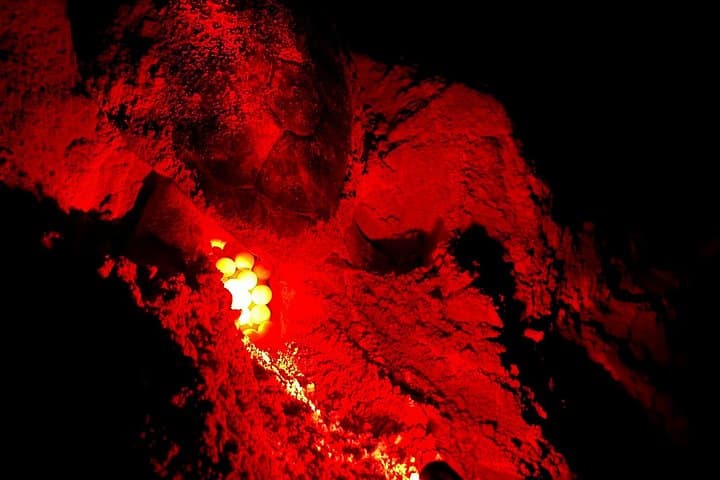
The tour’s wildlife highlight — encountering nesting sea turtles or watching hatchlings reach the surf — is governed by season and strict protections. Guides work with local conservation groups to minimize disturbance: no lights, quiet approaches, and keeping distance. Practicalities matter here: the route mixes uneven volcanic rock, beach sand and short climbs, and conditions can change quickly with wind and tide.
Bring steady footwear, sun protection and water, and be ready to follow rules that protect both animals and habitat. The reward is immediate: the sound of surf, a skitter of tiny flippers, and the rare privilege of watching a species push toward the ocean under Cape Verdean skies.
Loggerhead turtles typically nest from June through October with peaks in mid-summer; local programs schedule guided visits during those months.
No — touching turtles or eggs is prohibited to protect the animals; guides will explain safe viewing distances and protocols.
Many family groups participate, but mobility on sand and rocks is required; check with the operator about specific age or mobility restrictions.
This offering runs roughly 2–3 hours (operator lists about 140 minutes) and typically includes hotel pickup and drop-off in Santa Maria or nearby lodgings.
The wind off the Atlantic pushes across low dunes and carries the taste of salt as you step from the shuttle onto black-bleached road. Your guide points toward the dark ridge of Lion Mountain; beyond it, small fishing boats bob in Palmeira’s harbor while the coast unfurls in layered blues. On this circuit of Sal you move between raw geology and everyday island life — from the Blue Eye’s glassy pool to the flat, mirror-white salt pans of Pedra de Lume.
The wind off the Atlantic pushes across low dunes and carries the taste of salt as you step from the shuttle onto black-bleached road. Your guide points toward the dark ridge of Lion Mountain; beyond it, small fishing boats bob in Palmeira’s harbor while the coast unfurls in layered blues. On this circuit of Sal you move between raw geology and everyday island life — from the Blue Eye’s glassy pool to the flat, mirror-white salt pans of Pedra de Lume.
Sal is young in geological terms: a scarred volcanic island whose uplifted crater and lava fields shape beaches and bays. The salt crater at Pedra de Lume has fed Cape Verde’s economy for centuries and now offers a buoyant float in mineral-rich water. Villages like Murdeira and Palmeira still pulse with fishing rhythms; markets and family-run cafés serve cachupa and freshly grilled fish between stops.
The tour’s wildlife highlight — encountering nesting sea turtles or watching hatchlings reach the surf — is governed by season and strict protections. Guides work with local conservation groups to minimize disturbance: no lights, quiet approaches, and keeping distance. Practicalities matter here: the route mixes uneven volcanic rock, beach sand and short climbs, and conditions can change quickly with wind and tide.
Bring steady footwear, sun protection and water, and be ready to follow rules that protect both animals and habitat. The reward is immediate: the sound of surf, a skitter of tiny flippers, and the rare privilege of watching a species push toward the ocean under Cape Verdean skies.