THE ADVENTURE COLLECTIVE® · Independent discovery and booking for outdoor travel

Walk Sal Rei’s port, markets, and kitchen tables on a compact cultural tour that pairs local history with a hands-on Cape Verdean cooking workshop. Expect tasting, short coastal strolls, and practical lessons in cachupa and fresh-fish preparation.
Walk Sal Rei’s port, markets, and kitchen tables on a compact cultural tour that pairs local history with a hands-on Cape Verdean cooking workshop. Expect tasting, short coastal strolls, and practical lessons in cachupa and fresh-fish preparation.
A salt breeze pushes through the narrow streets of Sal Rei, lifting the scent of frying corn and simmering fish toward the bright Atlantic. This short city walk threads between low, whitewashed houses, a compact fishing port where wooden boats bob against the quay, and lively market stalls that invite you to taste the island’s pulse.
Verified experiences and guided adventures in the surrounding area.
A salt breeze pushes through the narrow streets of Sal Rei, lifting the scent of frying corn and simmering fish toward the bright Atlantic. This short city walk threads between low, whitewashed houses, a compact fishing port where wooden boats bob against the quay, and lively market stalls that invite you to taste the island’s pulse.
Sal Rei grew as Boa Vista’s trading hub in the 19th century; its architecture shows Portuguese colonial lines softened by Creole practicality. The geology is simple here—flat volcanic plains given over to sand and scrub—so the town feels exposed to sea and sun, its culture shaped by maritime trade and transatlantic currents. At the workshop, instructors translate family recipes into hands-on steps: cachupa simmering, grilled tuna techniques, and the use of local condiments like piri-piri and grogue.
Expect a mix of walking, seated tasting, and active cooking. The tour balances history and practical food skills—why certain dishes use dried fish, how the island’s arid soils influence ingredients, and where to buy the freshest fish in Sal Rei.
Practical notes: plan for 3–4 hours, bring cash for market purchases, and wear comfortable shoes for cobbles and short beach access. Hydration and sun protection are essential; cooking stations are shaded but warm. This is a socially engaging, low-impact way to spend an afternoon—great for travelers who want to pair local context with hands-on culinary culture.
Plan for about 3–4 hours total, combining walking, market stops, tasting, and the hands-on cooking session.
Operators can often accommodate common restrictions if notified in advance; indicate allergies when booking.
Guides typically speak Portuguese and English; check the listing for other language availability before booking.
Parts of Sal Rei have cobbled streets and uneven surfaces; accessibility is limited—contact the provider to discuss needs.
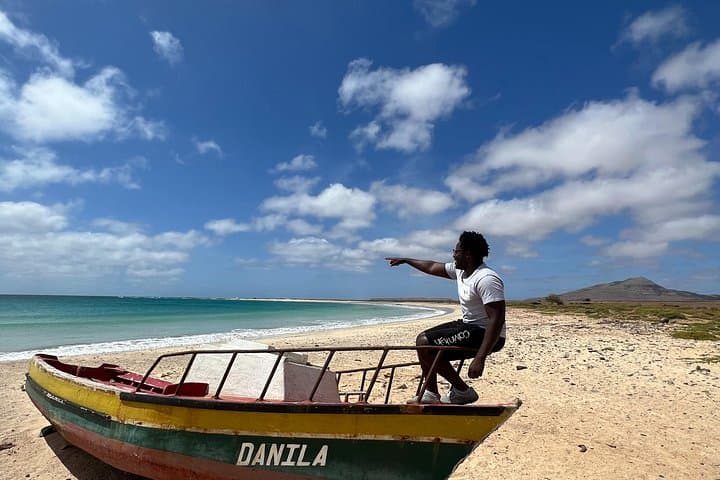
A salt breeze pushes through the narrow streets of Sal Rei, lifting the scent of frying corn and simmering fish toward the bright Atlantic. This short city walk threads between low, whitewashed houses, a compact fishing port where wooden boats bob against the quay, and lively market stalls that invite you to taste the island’s pulse.
A salt breeze pushes through the narrow streets of Sal Rei, lifting the scent of frying corn and simmering fish toward the bright Atlantic. This short city walk threads between low, whitewashed houses, a compact fishing port where wooden boats bob against the quay, and lively market stalls that invite you to taste the island’s pulse.
Sal Rei grew as Boa Vista’s trading hub in the 19th century; its architecture shows Portuguese colonial lines softened by Creole practicality. The geology is simple here—flat volcanic plains given over to sand and scrub—so the town feels exposed to sea and sun, its culture shaped by maritime trade and transatlantic currents. At the workshop, instructors translate family recipes into hands-on steps: cachupa simmering, grilled tuna techniques, and the use of local condiments like piri-piri and grogue.
Expect a mix of walking, seated tasting, and active cooking. The tour balances history and practical food skills—why certain dishes use dried fish, how the island’s arid soils influence ingredients, and where to buy the freshest fish in Sal Rei.
Practical notes: plan for 3–4 hours, bring cash for market purchases, and wear comfortable shoes for cobbles and short beach access. Hydration and sun protection are essential; cooking stations are shaded but warm. This is a socially engaging, low-impact way to spend an afternoon—great for travelers who want to pair local context with hands-on culinary culture.