THE ADVENTURE COLLECTIVE® · Independent discovery and booking for outdoor travel

Spend half a day exploring Salalah’s Frankincense Land: Al Baleed Museum, ancient Zufar ruins, Sultan Qaboos Mosque and the fragrant Haffah Souk. This private tour mixes archaeology, coastal geology and Dhofari culture with practical tips for timing and dress.
Spend half a day exploring Salalah’s Frankincense Land: Al Baleed Museum, ancient Zufar ruins, Sultan Qaboos Mosque and the fragrant Haffah Souk. This private tour mixes archaeology, coastal geology and Dhofari culture with practical tips for timing and dress.
Steam rises off the roadside as the city exhales — Salalah in the Dhofar plain is a place where sea breeze meets ruins and green plantations push against the town’s edges. A morning on this private city tour begins at Al Baleed Museum, where shaded courtyards and archaeological mounds map a maritime past, and the museum’s displays lay out the frankincense trade that once drew sailors from the Indian Ocean.
Verified experiences and guided adventures in the surrounding area.
Operated by Oman Day Tours · Salalah, Dhofar
Steam rises off the roadside as the city exhales — Salalah in the Dhofar plain is a place where sea breeze meets ruins and green plantations push against the town’s edges. A morning on this private city tour begins at Al Baleed Museum, where shaded courtyards and archaeological mounds map a maritime past, and the museum’s displays lay out the frankincense trade that once drew sailors from the Indian Ocean.
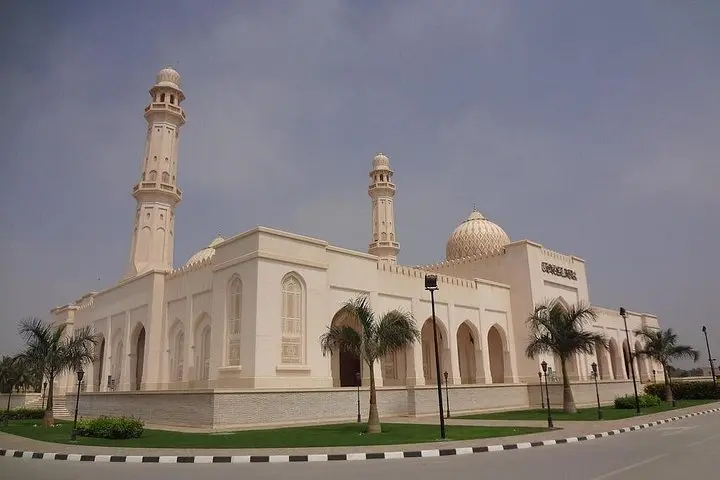
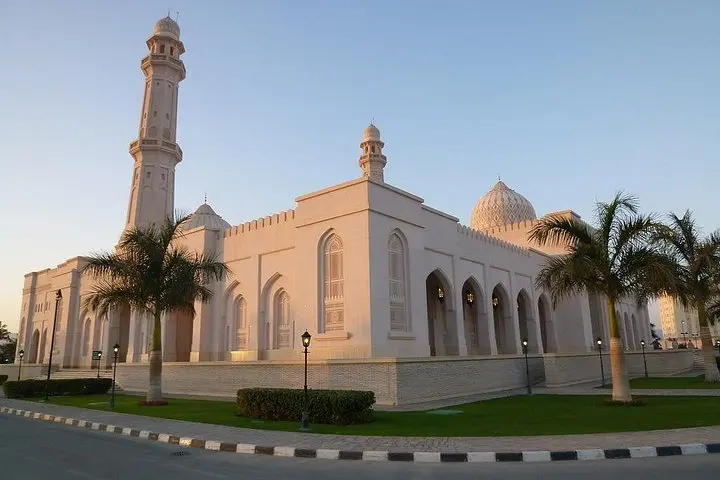
The route threads through history: the ruins of ancient Zufar (Al Balid) recall visits by medieval travelers, while the Sultan Qaboos Mosque announces modern identity with a broad courtyard and refined stonework. Geology here is quiet but decisive — limestone coasts give way to alluvial plains that let coconut and banana groves thrive, and in the Khareef months the hills and wadis turn abruptly green.
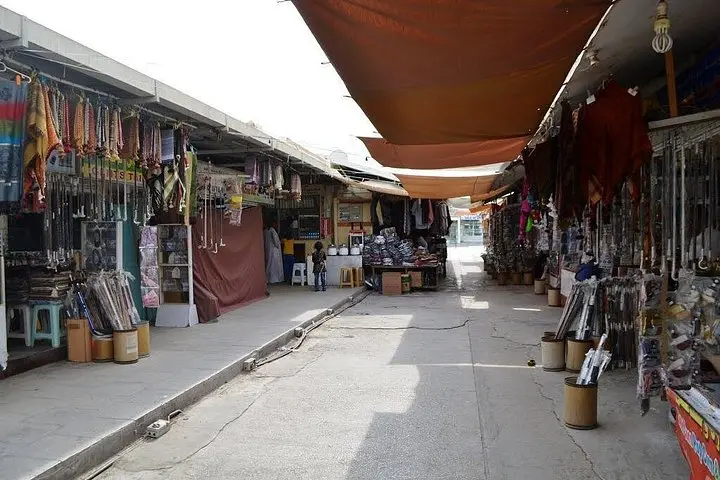
Culture centers on frankincense: Haffah Souk and the Old Souk present incense in stacked boxes, decorated burners, and Dhofari handicrafts; bargaining is expected but polite. Local guides explain how frankincense shaped settlements and trade routes, and point out traditional caravan-style Dhofari houses as you pass the Sultan’s Al Husn residence.
Practical guidance: plan 3–5 hours, wear modest, breathable clothing for mosque visits, and bring a sun hat and refillable water bottle. The tour is low-effort on paved roads but involves walking between sites and uneven archaeological surfaces. Morning starts avoid midday heat; Khareef season (June–September) offers cooler, greener scenery but brief showers. Respect prayer times, carry cash for souks, and limit incense purchases to sustainably sourced products.
Women are generally required to cover their hair; a scarf is often provided but bringing your own ensures quick entry.
The tour itinerary indicates admission is included for the museum; confirm at booking for any seasonal changes.
Yes—this private tour is rated easy; infant seats and family arrangements are typically available but notify the operator when booking.
Khareef season (June–September) brings monsoon-driven fog and greenery, making coastal and wadi scenery markedly lusher than the dry months.
Oman Day Tours operates guided outdoor trips and adventures with an emphasis on safety, stewardship, and memorable experiences.
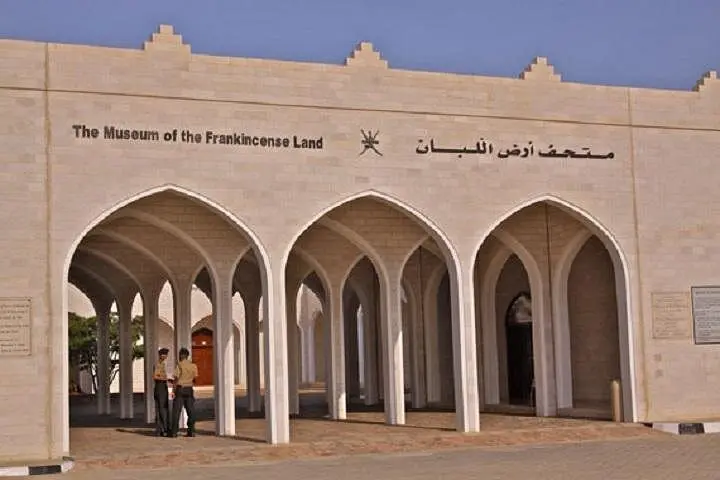
Steam rises off the roadside as the city exhales — Salalah in the Dhofar plain is a place where sea breeze meets ruins and green plantations push against the town’s edges. A morning on this private city tour begins at Al Baleed Museum, where shaded courtyards and archaeological mounds map a maritime past, and the museum’s displays lay out the frankincense trade that once drew sailors from the Indian Ocean.
Steam rises off the roadside as the city exhales — Salalah in the Dhofar plain is a place where sea breeze meets ruins and green plantations push against the town’s edges. A morning on this private city tour begins at Al Baleed Museum, where shaded courtyards and archaeological mounds map a maritime past, and the museum’s displays lay out the frankincense trade that once drew sailors from the Indian Ocean.
The route threads through history: the ruins of ancient Zufar (Al Balid) recall visits by medieval travelers, while the Sultan Qaboos Mosque announces modern identity with a broad courtyard and refined stonework. Geology here is quiet but decisive — limestone coasts give way to alluvial plains that let coconut and banana groves thrive, and in the Khareef months the hills and wadis turn abruptly green.
Culture centers on frankincense: Haffah Souk and the Old Souk present incense in stacked boxes, decorated burners, and Dhofari handicrafts; bargaining is expected but polite. Local guides explain how frankincense shaped settlements and trade routes, and point out traditional caravan-style Dhofari houses as you pass the Sultan’s Al Husn residence.
Practical guidance: plan 3–5 hours, wear modest, breathable clothing for mosque visits, and bring a sun hat and refillable water bottle. The tour is low-effort on paved roads but involves walking between sites and uneven archaeological surfaces. Morning starts avoid midday heat; Khareef season (June–September) offers cooler, greener scenery but brief showers. Respect prayer times, carry cash for souks, and limit incense purchases to sustainably sourced products.