THE ADVENTURE COLLECTIVE® · Independent discovery and booking for outdoor travel

Explore Salalah’s frankincense legacy on a compact city tour: Al Baleed Museum, the Al Balid ruins, Sultan Qaboos Mosque and the lively Haffah souk. This private 3–5 hour route mixes archaeology, coastal landscapes and local markets with practical guidance for first-time visitors.
Explore Salalah’s frankincense legacy on a compact city tour: Al Baleed Museum, the Al Balid ruins, Sultan Qaboos Mosque and the lively Haffah souk. This private 3–5 hour route mixes archaeology, coastal landscapes and local markets with practical guidance for first-time visitors.
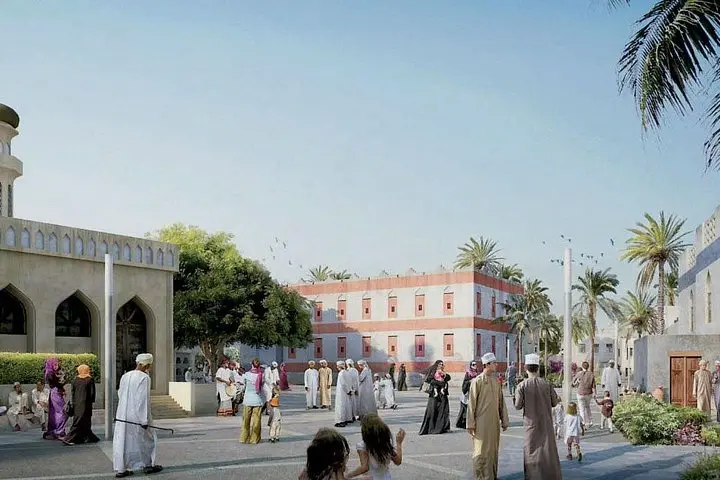
You step from the humid roadside air into a park where salt spray and the perfume of frankincense meet — ruins of an ancient port that once pushed Dhofar’s resin onto the world. Al Baleed Archaeological Park opens like a map of trade winds: cut stone quay lines, excavated streets and a modern museum that places the frankincense trade in human scale.
Verified experiences and guided adventures in the surrounding area.
Operated by Oman Day Tours · Salalah, Dhofar
You step from the humid roadside air into a park where salt spray and the perfume of frankincense meet — ruins of an ancient port that once pushed Dhofar’s resin onto the world. Al Baleed Archaeological Park opens like a map of trade winds: cut stone quay lines, excavated streets and a modern museum that places the frankincense trade in human scale.
Salalah’s story is geological and global. Wind-sculpted limestone and coastal plains fed a boom in resin collection; Ibn Battuta and Marco Polo recorded the city’s wealth. Culturally the region keeps a distinct Dhofari rhythm — wooden caravan-window houses, coconut and banana plantations, and souks where frankincense is stacked in neat pyramids.
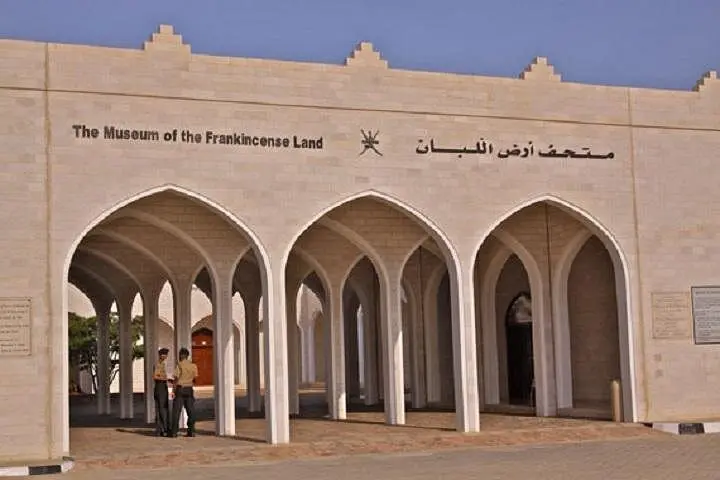
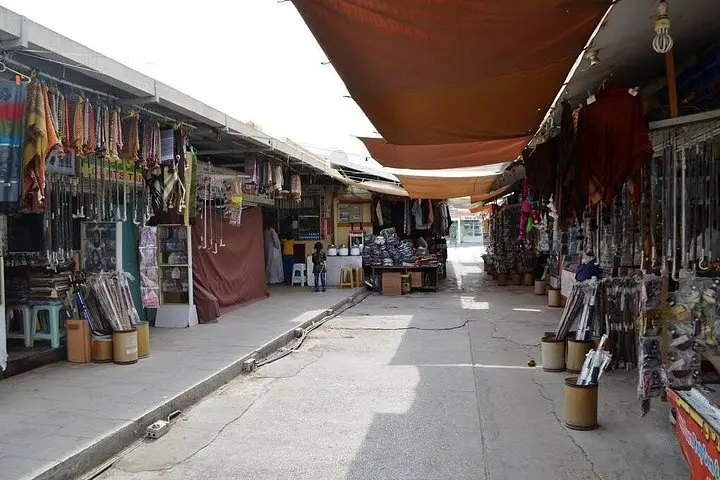
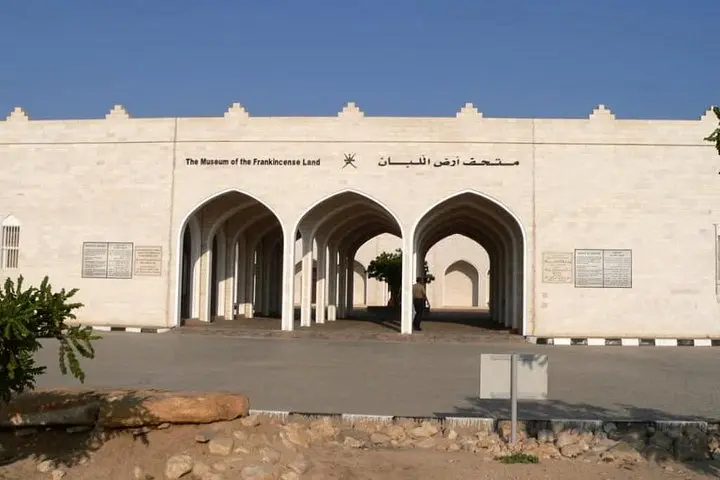
The city tour moves deliberately: a curated hour at the Frankincense Land museum, a walk through the Al Balid ruins, a photo stop at Sultan Qaboos Mosque (observe prayer times and dress code), then the gold and Haffah souks where incense, traditional clothes and crafts are traded.
Practical edge: this is an urban, low-impact outing of 3–5 hours with short walks and some steps. Expect sun, occasional coastal breeze and the possibility of light khareef drizzle in the summer months. Carry water, wear covered shoulders and knees for mosque visits, and bring local currency for stall purchases. If you’re on a cruise, confirm docking and reboarding times with the operator. The tour is private and suitable for most fitness levels — it’s less about endurance and more about curiosity and cultural etiquette.
The tour runs approximately 3–5 hours depending on traffic, time spent at each stop and seasonal opening hours.
Visitors may enter outside of prayer times; modest dress is required and shoes must be removed. Check local prayer schedules and any gender-specific entry rules before visiting.
The itinerary typically includes access to the Al Baleed (Frankincense Land) museum; confirm at booking for up-to-date opening hours and fees.
Yes — cruise passengers can join but must provide ship name and docking times at booking to coordinate pickup and reboarding windows.
Oman Day Tours operates guided outdoor trips and adventures with an emphasis on safety, stewardship, and memorable experiences.
You step from the humid roadside air into a park where salt spray and the perfume of frankincense meet — ruins of an ancient port that once pushed Dhofar’s resin onto the world. Al Baleed Archaeological Park opens like a map of trade winds: cut stone quay lines, excavated streets and a modern museum that places the frankincense trade in human scale.
You step from the humid roadside air into a park where salt spray and the perfume of frankincense meet — ruins of an ancient port that once pushed Dhofar’s resin onto the world. Al Baleed Archaeological Park opens like a map of trade winds: cut stone quay lines, excavated streets and a modern museum that places the frankincense trade in human scale.
Salalah’s story is geological and global. Wind-sculpted limestone and coastal plains fed a boom in resin collection; Ibn Battuta and Marco Polo recorded the city’s wealth. Culturally the region keeps a distinct Dhofari rhythm — wooden caravan-window houses, coconut and banana plantations, and souks where frankincense is stacked in neat pyramids.
The city tour moves deliberately: a curated hour at the Frankincense Land museum, a walk through the Al Balid ruins, a photo stop at Sultan Qaboos Mosque (observe prayer times and dress code), then the gold and Haffah souks where incense, traditional clothes and crafts are traded.
Practical edge: this is an urban, low-impact outing of 3–5 hours with short walks and some steps. Expect sun, occasional coastal breeze and the possibility of light khareef drizzle in the summer months. Carry water, wear covered shoulders and knees for mosque visits, and bring local currency for stall purchases. If you’re on a cruise, confirm docking and reboarding times with the operator. The tour is private and suitable for most fitness levels — it’s less about endurance and more about curiosity and cultural etiquette.