THE ADVENTURE COLLECTIVE® · Independent discovery and booking for outdoor travel

Explore Salalah’s coastline, incense history and lively markets in a focused four-hour private tour. Visit Sultan Qaboos Mosque, Al-Balid Archaeological Site and Haffa Souk while sampling Karak tea and local fruits.
Explore Salalah’s coastline, incense history and lively markets in a focused four-hour private tour. Visit Sultan Qaboos Mosque, Al-Balid Archaeological Site and Haffa Souk while sampling Karak tea and local fruits.
The morning air in Salalah carries a scent that makes the city unmistakable: a dry spice of frankincense on the breeze, the Arabian Sea muttering beyond the coconut palms. A four-hour loop through wide boulevards and shaded orchards places you between white-sand beaches, low-lying palace walls and market stalls where resin gleams like fossilized sunlight.
Verified experiences and guided adventures in the surrounding area.
Operated by salalahreiseleiter · Salalah, Dhofar
The morning air in Salalah carries a scent that makes the city unmistakable: a dry spice of frankincense on the breeze, the Arabian Sea muttering beyond the coconut palms. A four-hour loop through wide boulevards and shaded orchards places you between white-sand beaches, low-lying palace walls and market stalls where resin gleams like fossilized sunlight.
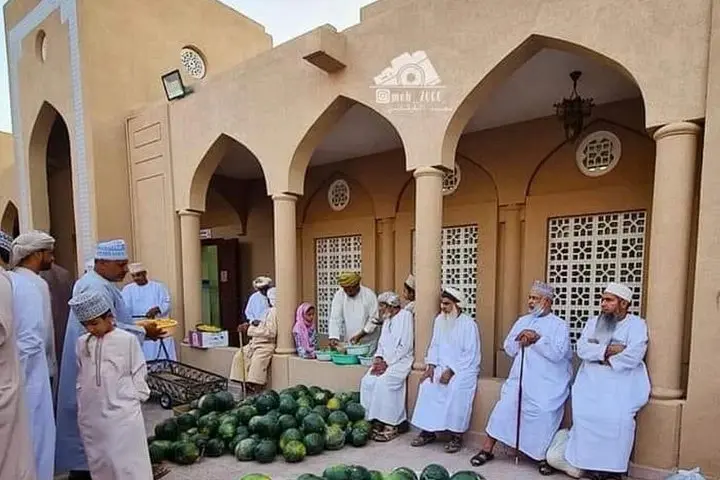
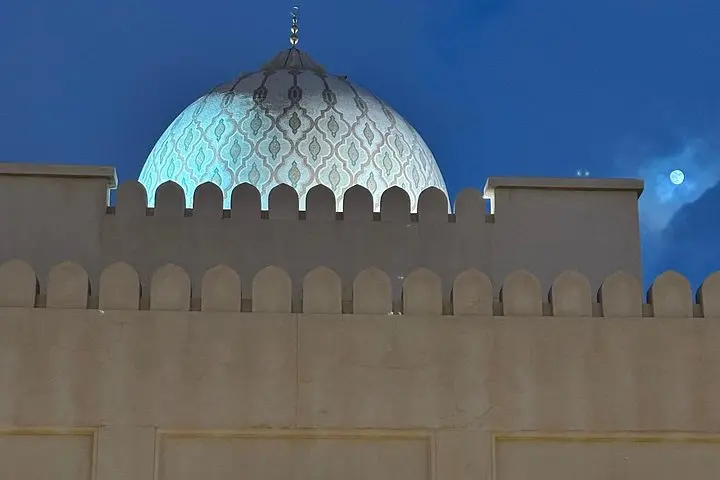
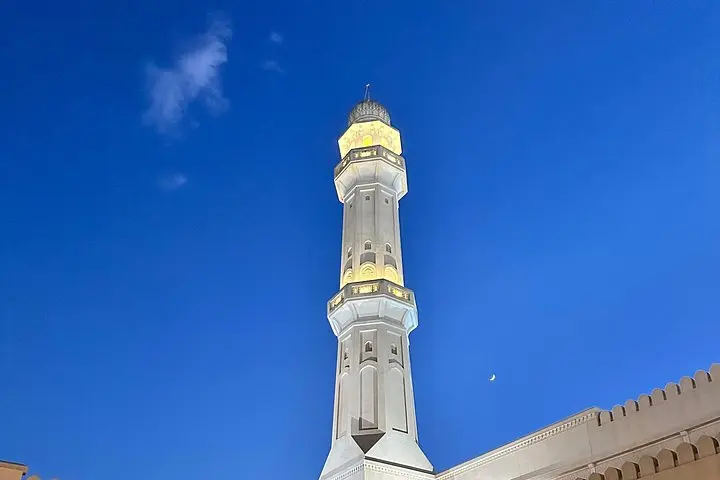
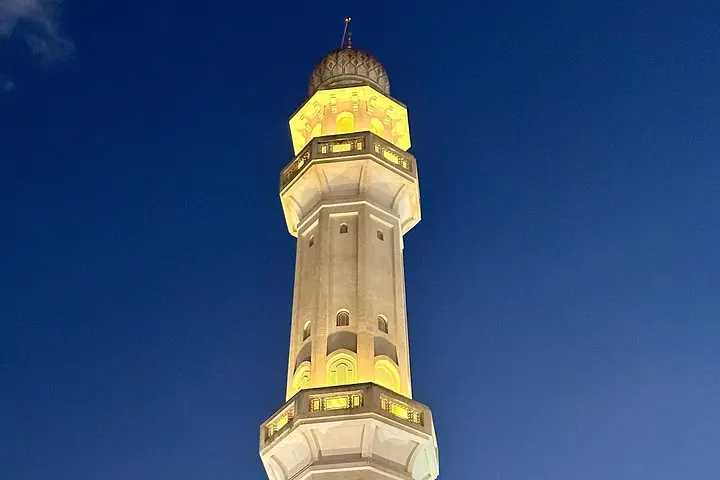
Dhofar’s history is written in trade routes. Al-Balid Archaeological Site and the Incense Museum explain how frankincense shaped empires and mapped the coastline; the museum pairs maritime archaeology with displays that make the region’s ancient commerce feel immediate. The Sultan Qaboos Mosque, open Saturday–Thursday 8:30–11:00, showcases modern Omani architecture—observe the modest dress code and quiet ritual of visitors. Haffa Souk and Salalah Central Market are practical classrooms in Omani daily life: vendors selling frankincense, fresh fruit, and local spices against a backdrop of coastal breeze and chatter.
Geology here is broad and low: limestone outcrops, coastal sands and the seasonal green of nearby wadis that swell during the khareef rains. Cultural notes: Al-Husn Souk and the palace precincts are best viewed with respectful distance; photography rules vary by site.
Practical guidance: the tour is predominantly short walks and short drives—expect light walking on paved and sandy surfaces. The operator supplies bottled water and Karak tea; wheelchair access is available for main stops. Bring sun protection, modest clothing for religious sites, local currency for markets and a camera with plenty of storage. Timing your visit in khareef (summer monsoon) changes the landscape dramatically—plan accordingly.
Yes—Sultan Qaboos Mosque allows visitors Saturday–Thursday between 8:30–11:00, but follow the site's dress code and any onsite guidance.
Main stops and the provided transport are described as wheelchair accessible, though some archaeological areas may have uneven ground.
Yes; the itinerary includes stops at Haffa Souk and Salalah Central Market with free time to browse and buy frankincense and local produce.
The khareef season (roughly June–September) brings monsoon mists and green hills, but expect cooler, misty conditions and limited beach swimming then.
salalahreiseleiter operates guided outdoor trips and adventures with an emphasis on safety, stewardship, and memorable experiences.
The morning air in Salalah carries a scent that makes the city unmistakable: a dry spice of frankincense on the breeze, the Arabian Sea muttering beyond the coconut palms. A four-hour loop through wide boulevards and shaded orchards places you between white-sand beaches, low-lying palace walls and market stalls where resin gleams like fossilized sunlight.
The morning air in Salalah carries a scent that makes the city unmistakable: a dry spice of frankincense on the breeze, the Arabian Sea muttering beyond the coconut palms. A four-hour loop through wide boulevards and shaded orchards places you between white-sand beaches, low-lying palace walls and market stalls where resin gleams like fossilized sunlight.
Dhofar’s history is written in trade routes. Al-Balid Archaeological Site and the Incense Museum explain how frankincense shaped empires and mapped the coastline; the museum pairs maritime archaeology with displays that make the region’s ancient commerce feel immediate. The Sultan Qaboos Mosque, open Saturday–Thursday 8:30–11:00, showcases modern Omani architecture—observe the modest dress code and quiet ritual of visitors. Haffa Souk and Salalah Central Market are practical classrooms in Omani daily life: vendors selling frankincense, fresh fruit, and local spices against a backdrop of coastal breeze and chatter.
Geology here is broad and low: limestone outcrops, coastal sands and the seasonal green of nearby wadis that swell during the khareef rains. Cultural notes: Al-Husn Souk and the palace precincts are best viewed with respectful distance; photography rules vary by site.
Practical guidance: the tour is predominantly short walks and short drives—expect light walking on paved and sandy surfaces. The operator supplies bottled water and Karak tea; wheelchair access is available for main stops. Bring sun protection, modest clothing for religious sites, local currency for markets and a camera with plenty of storage. Timing your visit in khareef (summer monsoon) changes the landscape dramatically—plan accordingly.