THE ADVENTURE COLLECTIVE® · Independent discovery and booking for outdoor travel

Spend a day exploring Dhofar’s dramatic contrasts: coastal cliffs, a huge sinkhole, rare baobab groves, Darbat’s waterfall and a 2,100m high viewpoint on Jabal Samhan. This private full‑day tour blends short hikes, cultural stops and panoramic photography opportunities.
Spend a day exploring Dhofar’s dramatic contrasts: coastal cliffs, a huge sinkhole, rare baobab groves, Darbat’s waterfall and a 2,100m high viewpoint on Jabal Samhan. This private full‑day tour blends short hikes, cultural stops and panoramic photography opportunities.
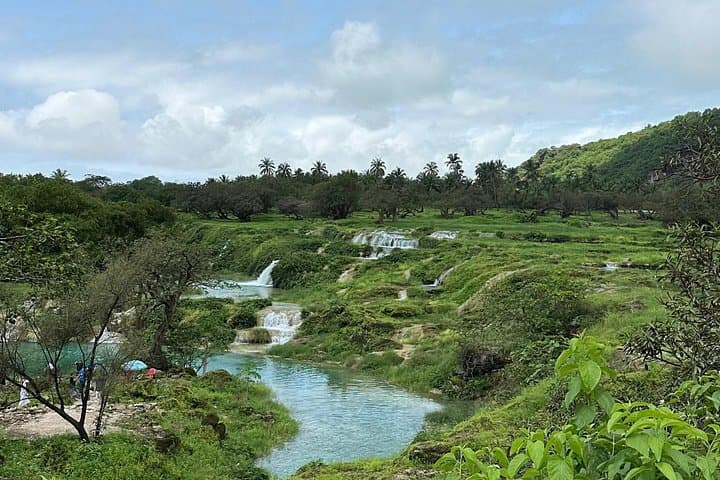
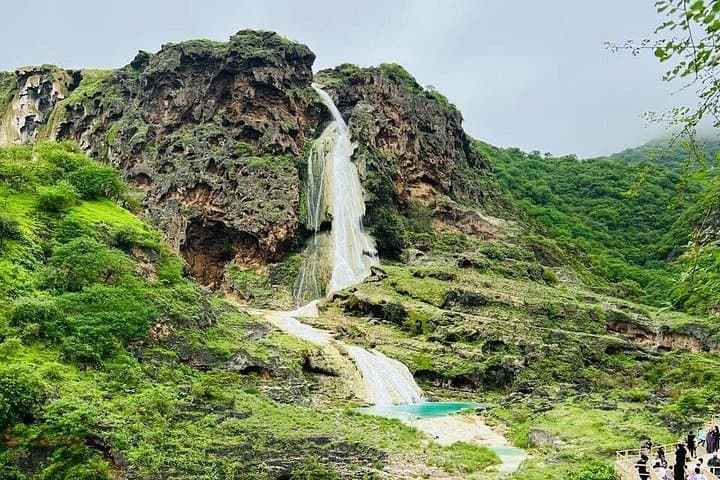
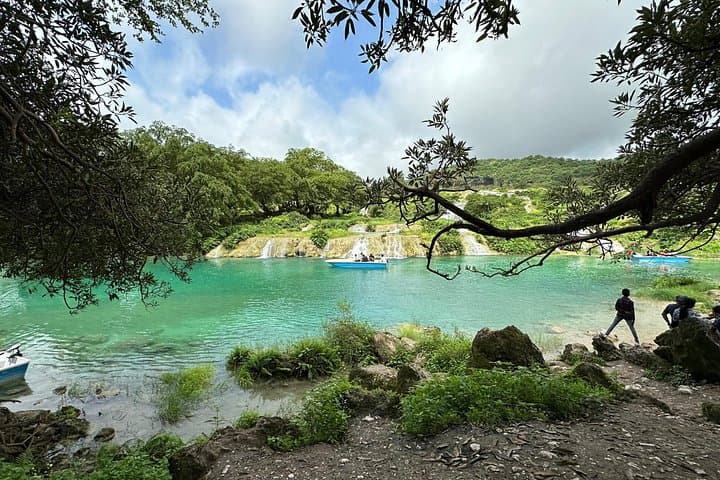
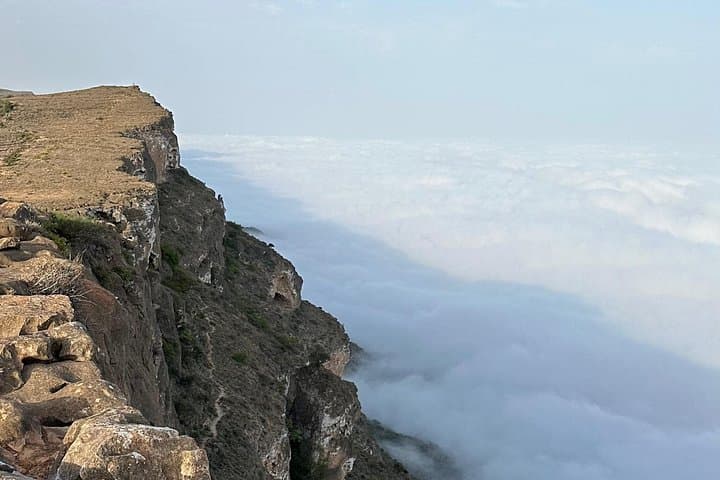
Morning light slices across the Dhofar ridgeline as your private vehicle climbs toward cooler air; clouds sit low in the valley like a movable plain. The tour moves from Taqa’s rugged beach cliffs through the emerald pockets of Darbat Wadi, past a yawning sinkhole, into a rare baobab grove and up to Jabal Samhan’s 2,100‑meter crest where you can look down on the region’s eastern slope.
Verified experiences and guided adventures in the surrounding area.
Operated by Salalah Premium Tours · Salalah, Dhofar Governorate
Morning light slices across the Dhofar ridgeline as your private vehicle climbs toward cooler air; clouds sit low in the valley like a movable plain. The tour moves from Taqa’s rugged beach cliffs through the emerald pockets of Darbat Wadi, past a yawning sinkhole, into a rare baobab grove and up to Jabal Samhan’s 2,100‑meter crest where you can look down on the region’s eastern slope.
This route traces the geological seams of southern Oman — uplifted limestone and volcanic remnants carved by seasonal monsoon-fed rivers. Darbat’s waterfall swells in the Khareef (monsoon) season, feeding springs that sustained frankincense-era settlements; nearby Samhuram is a UNESCO archaeological site that speaks to ancient trade with Africa and India.
Culture here is shaped by seafaring and frankincense trade, and the baobabs themselves are ecological anomalies shared with East Africa. Birdlife is abundant around sinkholes and springs; local guides often point out migratory routes and traditional grazing patterns.
Practical guidance: expect a full‑day private tour (6–8 hours) with short, easy walks — some dirt trails and one or two steep lookout approaches. Wear sturdy shoes, bring sun protection and layered clothing for the altitude change, and carry water (bottled water is provided). Photography windows are frequent; plan to stop at viewpoints and brief hikes rather than long treks. If traveling in the Khareef (summer monsoon), allow extra time for wet trails and scenic boat or zip‑line options at Darbat. This trip balances comfortable transport with several on‑foot experiences and high‑altitude panoramas — ideal for travelers who want maximum variety in a single day.
The tour is rated easy: it uses an air‑conditioned vehicle for most transport with short, mostly gentle walks and occasional steep viewpoints.
Yes — the private format allows pacing for families and older guests; minimal hiking and frequent vehicle access reduce strain.
Southwest monsoon (roughly June–September) brings mist, greener hills and more water in Darbat; roads are generally passable but pack rain protection and expect cooler temperatures at altitude.
Admissions for archaeological sites are typically not included; optional local activities at Darbat (boat, zip line, horse riding) are usually extra and arranged on site.
Salalah Premium Tours operates guided outdoor trips and adventures with an emphasis on safety, stewardship, and memorable experiences.
Morning light slices across the Dhofar ridgeline as your private vehicle climbs toward cooler air; clouds sit low in the valley like a movable plain. The tour moves from Taqa’s rugged beach cliffs through the emerald pockets of Darbat Wadi, past a yawning sinkhole, into a rare baobab grove and up to Jabal Samhan’s 2,100‑meter crest where you can look down on the region’s eastern slope.
Morning light slices across the Dhofar ridgeline as your private vehicle climbs toward cooler air; clouds sit low in the valley like a movable plain. The tour moves from Taqa’s rugged beach cliffs through the emerald pockets of Darbat Wadi, past a yawning sinkhole, into a rare baobab grove and up to Jabal Samhan’s 2,100‑meter crest where you can look down on the region’s eastern slope.
This route traces the geological seams of southern Oman — uplifted limestone and volcanic remnants carved by seasonal monsoon-fed rivers. Darbat’s waterfall swells in the Khareef (monsoon) season, feeding springs that sustained frankincense-era settlements; nearby Samhuram is a UNESCO archaeological site that speaks to ancient trade with Africa and India.
Culture here is shaped by seafaring and frankincense trade, and the baobabs themselves are ecological anomalies shared with East Africa. Birdlife is abundant around sinkholes and springs; local guides often point out migratory routes and traditional grazing patterns.
Practical guidance: expect a full‑day private tour (6–8 hours) with short, easy walks — some dirt trails and one or two steep lookout approaches. Wear sturdy shoes, bring sun protection and layered clothing for the altitude change, and carry water (bottled water is provided). Photography windows are frequent; plan to stop at viewpoints and brief hikes rather than long treks. If traveling in the Khareef (summer monsoon), allow extra time for wet trails and scenic boat or zip‑line options at Darbat. This trip balances comfortable transport with several on‑foot experiences and high‑altitude panoramas — ideal for travelers who want maximum variety in a single day.