THE ADVENTURE COLLECTIVE® · Independent discovery and booking for outdoor travel

Drive Salalah’s western coast in a private 4x4 to find white-sand beaches, Marneef’s blow holes, and ancient frankincense groves. This full-day tour pairs panoramic lookouts with cultural insights on the Dhofar trade and natural history.
Drive Salalah’s western coast in a private 4x4 to find white-sand beaches, Marneef’s blow holes, and ancient frankincense groves. This full-day tour pairs panoramic lookouts with cultural insights on the Dhofar trade and natural history.
A cool mist hangs over the Arabian Sea as a low-slung sun slides behind limestone ridges — you step from an air-conditioned 4x4 onto a stretch of white sand where the ocean argues with the rocks. This full-day, private drive through western Salalah stitches together high coastal lookouts, zigzag mountain roads and wide beaches that throw spray up through Marneef’s blow holes.
Verified experiences and guided adventures in the surrounding area.
Operated by Bin Majid Tourism · Salalah, Dhofar
A cool mist hangs over the Arabian Sea as a low-slung sun slides behind limestone ridges — you step from an air-conditioned 4x4 onto a stretch of white sand where the ocean argues with the rocks. This full-day, private drive through western Salalah stitches together high coastal lookouts, zigzag mountain roads and wide beaches that throw spray up through Marneef’s blow holes.
The Dhofar coast is known for frankincense: groves of Boswellia trees dot Jabal al Qamar and the surrounding valleys, relics of an incense trade that linked this coast to ancient caravan routes. Geology here reads like chapters — folded limestone and volcanic outcrops that have been scored by wind and sea, creating caves, cliffs and the Desert Rose formations at Fezayeh.
Culturally, you’ll pass traditional bee houses and small fishing communities; local guides commonly explain frankincense harvesting and the Bedouin roots of the region. Wildlife prefers the margins: seabirds patrol the waves while interior ridges are habitat for shy desert ungulates.
Practical guidance: this is a mostly vehicle-based excursion with short walks on sand and rock — expect a 9-hour day with hotel pickup, bottled water and a traditional lunch. Wear sturdy sandals or light hiking shoes, sun protection and modest clothing out of respect for local customs. Time your visit for tide windows if you want dramatic blow-hole displays; for green hills and cooler air, plan during the Khareef months (June–September). The route is wheelchair accessible in parts, but rockier viewpoints require sure footing and a brief climb. Bring a camera, layers for marine mist, and patience—the coast here moves at its own tempo and rewards the observant.
This is a 9-hour private tour including hotel pickup/drop-off, 4x4 transportation, bottled water, an English-speaking guide and a traditional lunch.
Infants and small children are permitted (infants may sit on laps); parts of the route and vehicle are wheelchair accessible, but some viewpoints require short, uneven walks.
Blow holes are most active at higher tides and when swell is strong; check local tide charts or ask your guide for the best timing on the day of your visit.
Khareef (June–September) brings cooler air and green hills, ideal for landscape photography; if you prefer dry, sunny beach conditions, choose outside Khareef months.
Bin Majid Tourism operates guided outdoor trips and adventures with an emphasis on safety, stewardship, and memorable experiences.
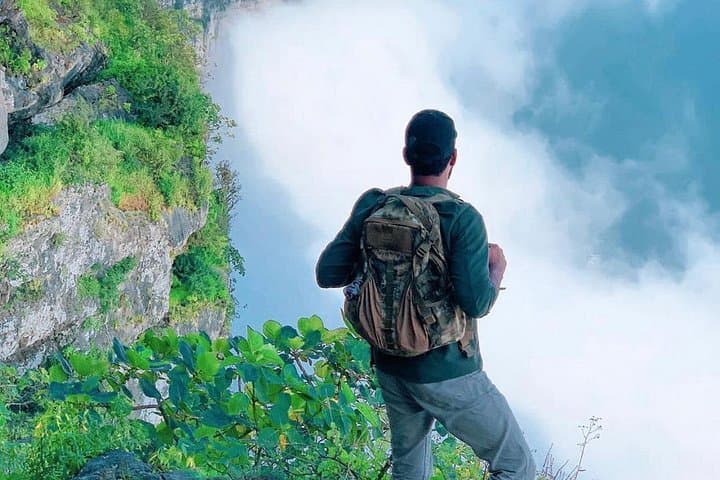


A cool mist hangs over the Arabian Sea as a low-slung sun slides behind limestone ridges — you step from an air-conditioned 4x4 onto a stretch of white sand where the ocean argues with the rocks. This full-day, private drive through western Salalah stitches together high coastal lookouts, zigzag mountain roads and wide beaches that throw spray up through Marneef’s blow holes.
A cool mist hangs over the Arabian Sea as a low-slung sun slides behind limestone ridges — you step from an air-conditioned 4x4 onto a stretch of white sand where the ocean argues with the rocks. This full-day, private drive through western Salalah stitches together high coastal lookouts, zigzag mountain roads and wide beaches that throw spray up through Marneef’s blow holes.
The Dhofar coast is known for frankincense: groves of Boswellia trees dot Jabal al Qamar and the surrounding valleys, relics of an incense trade that linked this coast to ancient caravan routes. Geology here reads like chapters — folded limestone and volcanic outcrops that have been scored by wind and sea, creating caves, cliffs and the Desert Rose formations at Fezayeh.
Culturally, you’ll pass traditional bee houses and small fishing communities; local guides commonly explain frankincense harvesting and the Bedouin roots of the region. Wildlife prefers the margins: seabirds patrol the waves while interior ridges are habitat for shy desert ungulates.
Practical guidance: this is a mostly vehicle-based excursion with short walks on sand and rock — expect a 9-hour day with hotel pickup, bottled water and a traditional lunch. Wear sturdy sandals or light hiking shoes, sun protection and modest clothing out of respect for local customs. Time your visit for tide windows if you want dramatic blow-hole displays; for green hills and cooler air, plan during the Khareef months (June–September). The route is wheelchair accessible in parts, but rockier viewpoints require sure footing and a brief climb. Bring a camera, layers for marine mist, and patience—the coast here moves at its own tempo and rewards the observant.