THE ADVENTURE COLLECTIVE® · Independent discovery and booking for outdoor travel

An eight-hour private tour across the Salar de Uyuni takes you from rusting locomotives to the blinding salt plain and, seasonally, mirror‑like reflections. This guide outlines what to expect, how to prepare for altitude and weather, and the seasonal highlights to prioritize.
An eight-hour private tour across the Salar de Uyuni takes you from rusting locomotives to the blinding salt plain and, seasonally, mirror‑like reflections. This guide outlines what to expect, how to prepare for altitude and weather, and the seasonal highlights to prioritize.
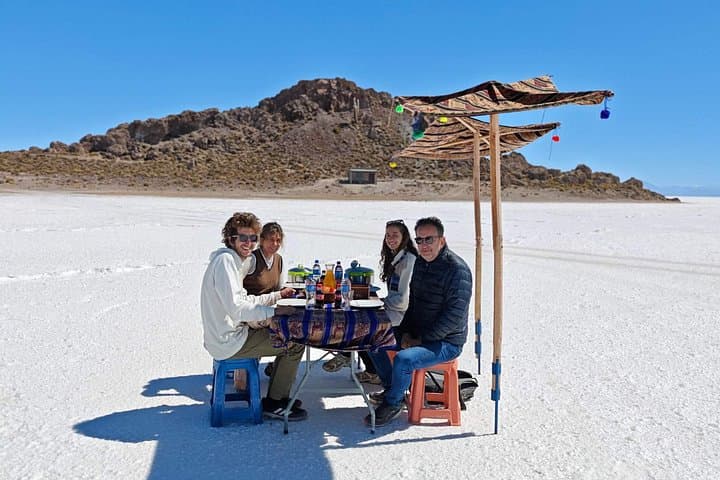
You step from the jeep onto a white plain so vast the horizon blurs; the salt crunches underfoot and the sky presses close, turning puddles into glass. Wind sketches tiny ridges across the crust and distant rock islands rise like islands in an ocean of white.
Verified experiences and guided adventures in the surrounding area.
Operated by Dreambol Tours · Uyuni, Potosí Department
You step from the jeep onto a white plain so vast the horizon blurs; the salt crunches underfoot and the sky presses close, turning puddles into glass. Wind sketches tiny ridges across the crust and distant rock islands rise like islands in an ocean of white.
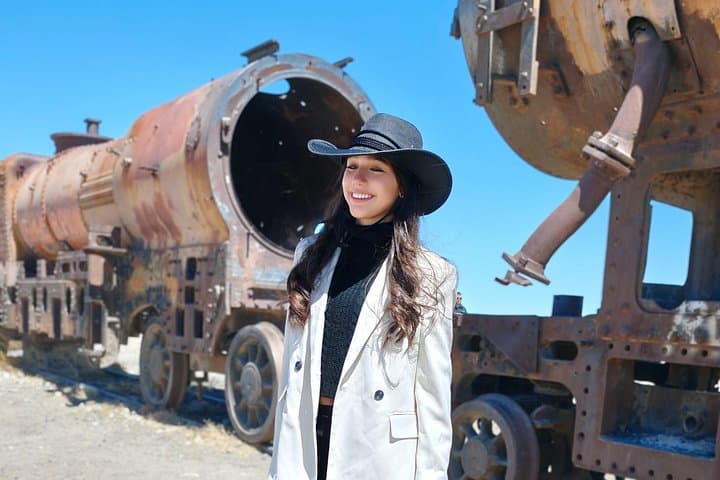
The Salar de Uyuni is the remnant of prehistoric Lake Minchin and later Lake Tauca; over millennia evaporated waters left a crystalline salt pan more than 10,000 km² in size. The nearby Train Cemetery speaks to Uyuni’s 19th–20th century mining boom, while local Aymara communities keep salt-harvest and high‑plateau traditions alive. Geologically, the crust is a hard hexagonal mosaic underlain by thick brine; in the rainy season the thin water layer creates the world-famous mirror.
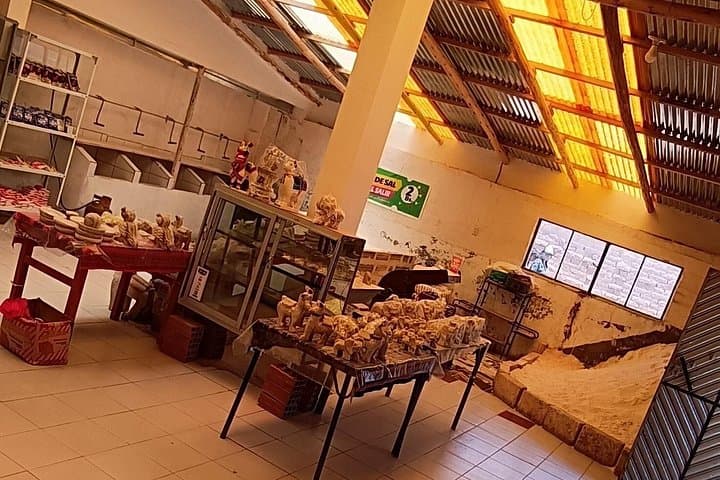
This private, full-day tour typically visits the Train Cemetery, a local salt-processing site and multiple points across the salar, with seasonal highlights: reflections and “stairways to heaven” in the wet months; Incahuasi Island and perspective photo spots in the dry season. Expect long drives on salt and gravel, short walks on uneven salt crust or waterlogged flats, and strong UV and wind. Bring layers for sudden temperature swings, a wide-brim hat and sunglasses, and allow extra time for photography and acclimatization — the region sits above 3,600 m.
Plan for an early start to avoid midday glare, confirm private pickup logistics, and respect local guides: staying on designated routes protects the crust and salt-processing areas. The landscape is austere but unforgiving — treat it with caution and curiosity.
This private tour runs about 8 hours with early morning pickup; exact pickup time depends on your meeting point in Uyuni.
Yes — the salar sits around 3,600–3,700 m. Travelers should hydrate, avoid alcohol beforehand, and consider spending a night in Uyuni to acclimatize.
Bring a tripod for perspective shots, extra batteries (cold drains power), a polarizing filter, and a cloth to wipe salt from lenses.
Facilities are limited; expect basic restrooms at some stops (e.g., salt-processing sites or Incahuasi) but not across the flat itself, so plan accordingly.
Dreambol Tours operates guided outdoor trips and adventures with an emphasis on safety, stewardship, and memorable experiences.

You step from the jeep onto a white plain so vast the horizon blurs; the salt crunches underfoot and the sky presses close, turning puddles into glass. Wind sketches tiny ridges across the crust and distant rock islands rise like islands in an ocean of white.
You step from the jeep onto a white plain so vast the horizon blurs; the salt crunches underfoot and the sky presses close, turning puddles into glass. Wind sketches tiny ridges across the crust and distant rock islands rise like islands in an ocean of white.
The Salar de Uyuni is the remnant of prehistoric Lake Minchin and later Lake Tauca; over millennia evaporated waters left a crystalline salt pan more than 10,000 km² in size. The nearby Train Cemetery speaks to Uyuni’s 19th–20th century mining boom, while local Aymara communities keep salt-harvest and high‑plateau traditions alive. Geologically, the crust is a hard hexagonal mosaic underlain by thick brine; in the rainy season the thin water layer creates the world-famous mirror.
This private, full-day tour typically visits the Train Cemetery, a local salt-processing site and multiple points across the salar, with seasonal highlights: reflections and “stairways to heaven” in the wet months; Incahuasi Island and perspective photo spots in the dry season. Expect long drives on salt and gravel, short walks on uneven salt crust or waterlogged flats, and strong UV and wind. Bring layers for sudden temperature swings, a wide-brim hat and sunglasses, and allow extra time for photography and acclimatization — the region sits above 3,600 m.
Plan for an early start to avoid midday glare, confirm private pickup logistics, and respect local guides: staying on designated routes protects the crust and salt-processing areas. The landscape is austere but unforgiving — treat it with caution and curiosity.