THE ADVENTURE COLLECTIVE® · Independent discovery and booking for outdoor travel

Walk Salem’s streets where 1692 conviction records and modern pagan life meet. This guided tour covers the Witch Trials Memorial, the Witch House and local witchcraft shops, with optional tarot or palm readings.
Walk Salem’s streets where 1692 conviction records and modern pagan life meet. This guided tour covers the Witch Trials Memorial, the Witch House and local witchcraft shops, with optional tarot or palm readings.
A salty wind from Salem Harbor threads through narrow brick streets as the group gathers outside Essex Street’s museum entrance. Guides mark the map with footsteps — not just of the accused and the magistrates, but of the town that kept changing its story. The tour moves at a steady walk: old granite curbs, clapboard houses, and the sudden hush of the Witch Trials Memorial, where engraved stones hold names and dates that still command attention.
Verified experiences and guided adventures in the surrounding area.
Operated by MultilingualTours · Salem, Massachusetts
A salty wind from Salem Harbor threads through narrow brick streets as the group gathers outside Essex Street’s museum entrance. Guides mark the map with footsteps — not just of the accused and the magistrates, but of the town that kept changing its story. The tour moves at a steady walk: old granite curbs, clapboard houses, and the sudden hush of the Witch Trials Memorial, where engraved stones hold names and dates that still command attention.
History here is tactile. The tour links 1692 court records and the Witch House’s timber frame to 19th- and 20th-century revivalism, and finally to today’s large Wiccan and pagan community that practices openly in Salem’s shops and gathering spaces. Geology appears underfoot: glacial erratics and cobbles that shaped early settlement patterns and port activity. Cultural notes are direct — the town has embraced theatrical memory alongside sincere religious practice, making the modern witchcraft scene both commerce and community.
Practical guidance follows the storytelling. Expect two hours on foot with frequent stops; surfaces are uneven and some sites are outdoors without seating. Tours are personalized, multilingual options are available, and optional tarot or palm readings can be arranged for a fee. Arrive early to secure a spot, wear good walking shoes, pack rain layers in shoulder seasons, and bring small bills for museums and local shops. Respect memorial spaces and private properties: staying on marked paths preserves fragile historic fabric. This is a living-history walk — one that asks visitors to observe, listen, and leave room for the town’s present as well as its past.
Tours run approximately 60–120 minutes depending on group size and optional stops.
No — tarot and palm readings are optional and available for an additional fee arranged through the guide.
Yes; the memorial and many stops are family-appropriate, though the subject matter may be intense for very young children.
Yes; Salem is served by commuter rail and local buses with stops near the downtown meeting point on Essex Street.
MultilingualTours operates guided outdoor trips and adventures with an emphasis on safety, stewardship, and memorable experiences.
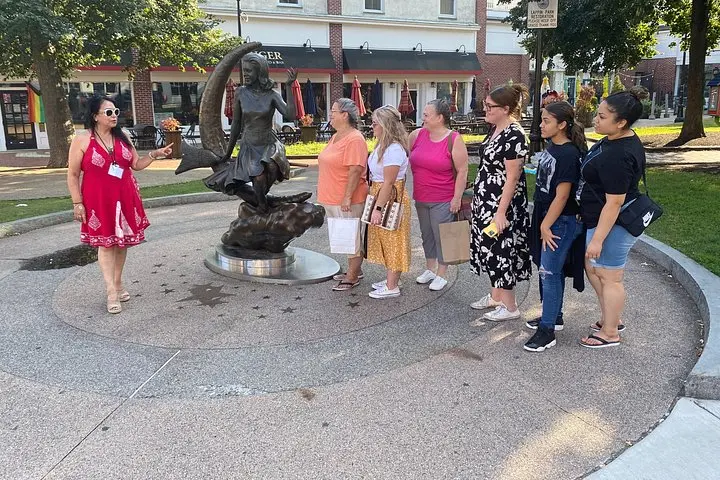
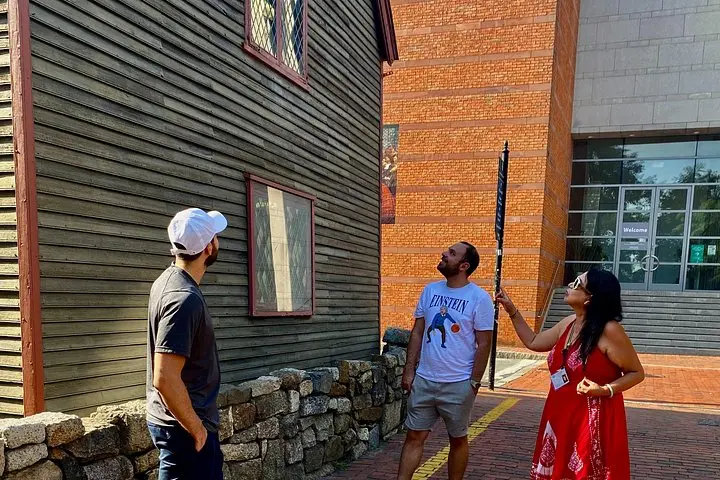
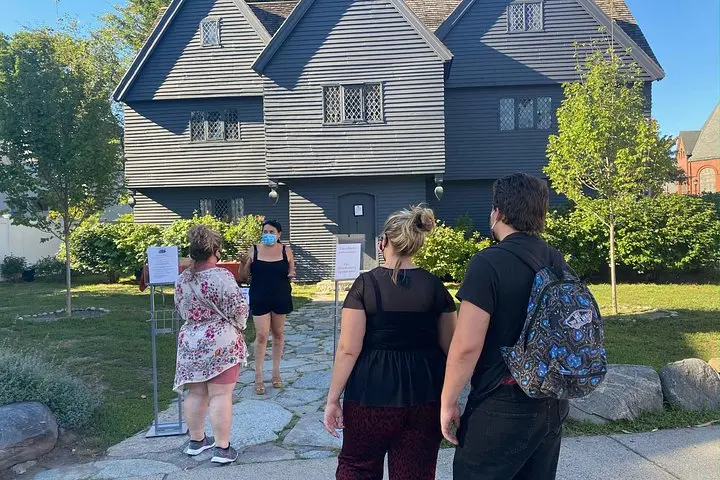
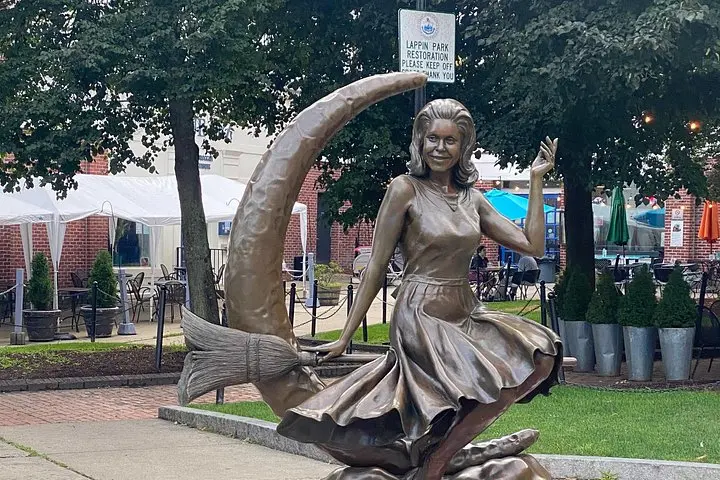
A salty wind from Salem Harbor threads through narrow brick streets as the group gathers outside Essex Street’s museum entrance. Guides mark the map with footsteps — not just of the accused and the magistrates, but of the town that kept changing its story. The tour moves at a steady walk: old granite curbs, clapboard houses, and the sudden hush of the Witch Trials Memorial, where engraved stones hold names and dates that still command attention.
A salty wind from Salem Harbor threads through narrow brick streets as the group gathers outside Essex Street’s museum entrance. Guides mark the map with footsteps — not just of the accused and the magistrates, but of the town that kept changing its story. The tour moves at a steady walk: old granite curbs, clapboard houses, and the sudden hush of the Witch Trials Memorial, where engraved stones hold names and dates that still command attention.
History here is tactile. The tour links 1692 court records and the Witch House’s timber frame to 19th- and 20th-century revivalism, and finally to today’s large Wiccan and pagan community that practices openly in Salem’s shops and gathering spaces. Geology appears underfoot: glacial erratics and cobbles that shaped early settlement patterns and port activity. Cultural notes are direct — the town has embraced theatrical memory alongside sincere religious practice, making the modern witchcraft scene both commerce and community.
Practical guidance follows the storytelling. Expect two hours on foot with frequent stops; surfaces are uneven and some sites are outdoors without seating. Tours are personalized, multilingual options are available, and optional tarot or palm readings can be arranged for a fee. Arrive early to secure a spot, wear good walking shoes, pack rain layers in shoulder seasons, and bring small bills for museums and local shops. Respect memorial spaces and private properties: staying on marked paths preserves fragile historic fabric. This is a living-history walk — one that asks visitors to observe, listen, and leave room for the town’s present as well as its past.