THE ADVENTURE COLLECTIVE® · Independent discovery and booking for outdoor travel

Spend a morning on a traditional Salento coffee farm: plant seedlings, pick ripe cherries, witness roasting, and taste freshly brewed Colombian coffee. This five-hour tour blends hands-on farming, cultural context, and a short Salento walking tour.
Spend a morning on a traditional Salento coffee farm: plant seedlings, pick ripe cherries, witness roasting, and taste freshly brewed Colombian coffee. This five-hour tour blends hands-on farming, cultural context, and a short Salento walking tour.
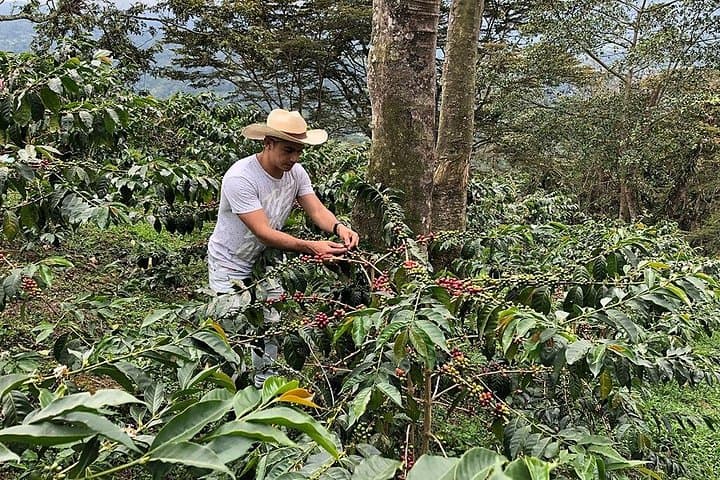
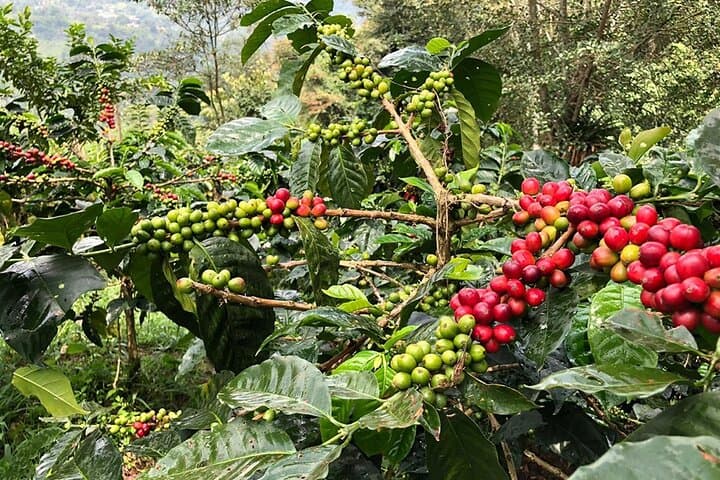
Morning light spreads across steep, green rows as you pull into the finca — birds flit through the coffee bushes and the scent of wet earth rises. The day unfolds at a century-old farm near Salento where the rhythm is seasonal: seedlings under shade cloth, bright red cherries on low shrubs, and the slow heat of a roaster turning green beans brown.
Verified experiences and guided adventures in the surrounding area.
Operated by Gran Colombia Tours · Salento, Quindío
Morning light spreads across steep, green rows as you pull into the finca — birds flit through the coffee bushes and the scent of wet earth rises. The day unfolds at a century-old farm near Salento where the rhythm is seasonal: seedlings under shade cloth, bright red cherries on low shrubs, and the slow heat of a roaster turning green beans brown.
This part of Colombia sits inside the Coffee Cultural Landscape, a region shaped by volcanic soils and Andean slopes that favor arabica coffee. Coffee farming here dates to the late 19th century; local families refined techniques that sustain communities and export markets today. The geology — eroded volcanic slopes with rich, well-draining soils — explains the crop’s quality, while Salento’s town square preserves traditional wooden balconies and regional handicrafts.
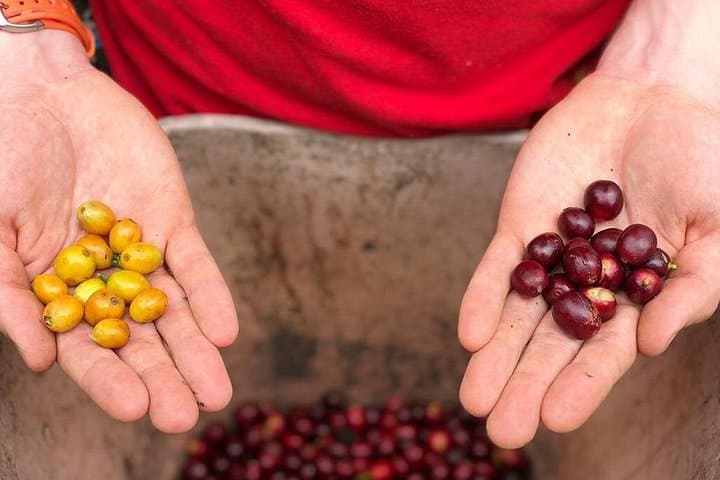
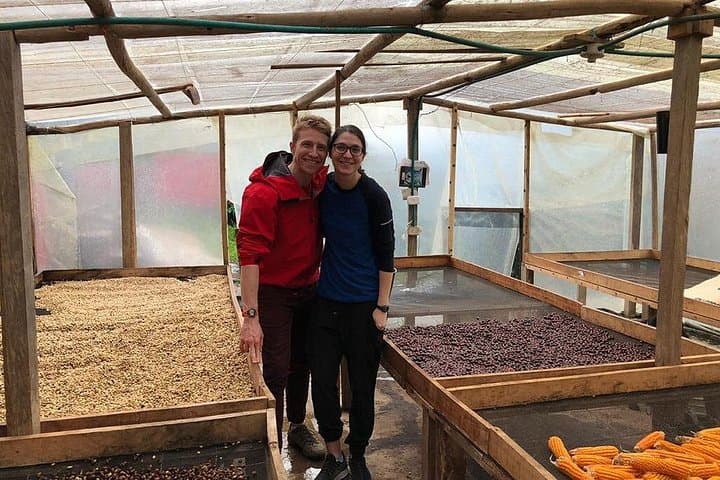
On the tour you’ll walk plantation rows with a guide, plant a seedling, pick ripe cherries, and watch roasting and grinding demonstrations. Expect hands-on learning about processing stages and a tasting that highlights acidity, body, and floral notes distinctive to Quindío beans.
Practical notes: wear sturdy shoes for uneven farm paths, bring a light rain layer (mountain weather changes fast), and carry cash for small purchases in Salento. The walking portion is relaxed — family-friendly and low elevation gain — but you’ll be outdoors for most of the five-hour experience. Go early for cooler temperatures and clearer views, and leave room to stroll Salento’s streets after the farm visit: coffee culture here is as much about place and people as it is about the cup.
The experience lasts about five hours, including farm activities and a short walking visit in Salento.
Yes — the tour is family-friendly; infants should sit on an adult’s lap during transport as noted by the operator.
Yes — hotel pick-up and drop-off from the Pereira/Salento area is included in the tour price.
Guides typically speak Spanish; many operators provide English-speaking guides on request — confirm when booking.
Gran Colombia Tours operates guided outdoor trips and adventures with an emphasis on safety, stewardship, and memorable experiences.
Morning light spreads across steep, green rows as you pull into the finca — birds flit through the coffee bushes and the scent of wet earth rises. The day unfolds at a century-old farm near Salento where the rhythm is seasonal: seedlings under shade cloth, bright red cherries on low shrubs, and the slow heat of a roaster turning green beans brown.
Morning light spreads across steep, green rows as you pull into the finca — birds flit through the coffee bushes and the scent of wet earth rises. The day unfolds at a century-old farm near Salento where the rhythm is seasonal: seedlings under shade cloth, bright red cherries on low shrubs, and the slow heat of a roaster turning green beans brown.
This part of Colombia sits inside the Coffee Cultural Landscape, a region shaped by volcanic soils and Andean slopes that favor arabica coffee. Coffee farming here dates to the late 19th century; local families refined techniques that sustain communities and export markets today. The geology — eroded volcanic slopes with rich, well-draining soils — explains the crop’s quality, while Salento’s town square preserves traditional wooden balconies and regional handicrafts.
On the tour you’ll walk plantation rows with a guide, plant a seedling, pick ripe cherries, and watch roasting and grinding demonstrations. Expect hands-on learning about processing stages and a tasting that highlights acidity, body, and floral notes distinctive to Quindío beans.
Practical notes: wear sturdy shoes for uneven farm paths, bring a light rain layer (mountain weather changes fast), and carry cash for small purchases in Salento. The walking portion is relaxed — family-friendly and low elevation gain — but you’ll be outdoors for most of the five-hour experience. Go early for cooler temperatures and clearer views, and leave room to stroll Salento’s streets after the farm visit: coffee culture here is as much about place and people as it is about the cup.