THE ADVENTURE COLLECTIVE® · Independent discovery and booking for outdoor travel

A five-day alternative to the Inca Trail that climbs to the 4,650 m Salkantay Pass and descends through cloud forest to Machu Picchu.
A five-day alternative to the Inca Trail that climbs to the 4,650 m Salkantay Pass and descends through cloud forest to Machu Picchu.
You set off before dawn from Cusco, the city’s cracked colonial stones fading as the road climbs toward Mollepata. The sky feels close here; the Salkantay massif looms, snow-shouldered and grave, while the trail winds through puna grass and then slides into the humid hush of cloud forest. Rivers will hurry past, daring you to stay still; the wind along the pass will push you forward.
Verified experiences and guided adventures in the surrounding area.
Operated by Kontiki Hikes · Cusco, Cusco
You set off before dawn from Cusco, the city’s cracked colonial stones fading as the road climbs toward Mollepata. The sky feels close here; the Salkantay massif looms, snow-shouldered and grave, while the trail winds through puna grass and then slides into the humid hush of cloud forest. Rivers will hurry past, daring you to stay still; the wind along the pass will push you forward.
The route crosses striking terrain—glacial moraine and jagged granite around the Salkantay summit, then steep descents into tropical valleys and coffee slopes. Salkantay was venerated by the Inca as an apu, a mountain spirit; the trail itself is an ecological cross-section that helped link highland communities to Amazon foothills for centuries. Llactapata’s stonework hints at local routes contemporaneous with the Inca Trail, while Humantay Lake reflects the alpine sky at Soraypampa.
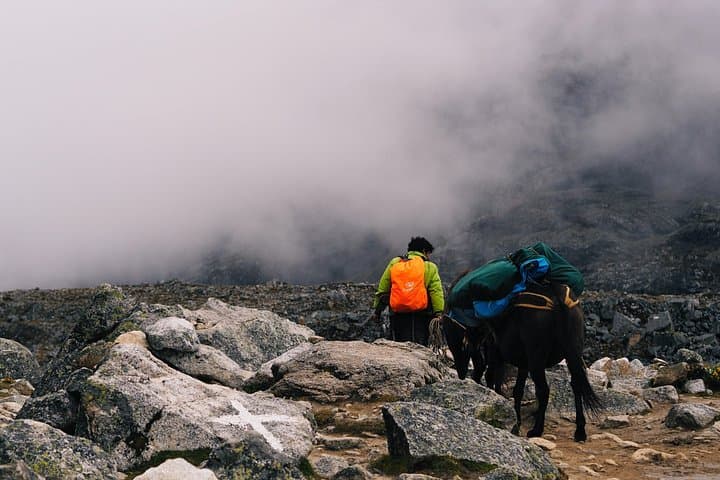
Practically, expect long days (one day reaches roughly 4,650 m at the pass), variable weather and sharply changing footing: scree, packed trail, muddy steps and river crossings. Guides and porters handle camp logistics on this itinerary, but you’ll carry a daypack and adapt to thin air—move slow, hydrate, and prioritize sleep.
Timing matters: early starts for views, and a pre-trek briefing helps align gear and pace. Protect electronics from damp, layer for wind and sun, and budget a full morning at Machu Picchu after the climb—this route rewards stamina with quieter approaches and a landscape that plateaus into one of South America’s most memorable arrivals.
No Inca Trail permit is required, but you must purchase a Machu Picchu entry ticket separately and bring ID for validation.
The pass is the trek’s hardest day—expect steep, sustained climbing; altitude acclimatization and a slow, steady pace are crucial.
This itinerary includes horsemen and a duffle allowance (typically ~7 kg); personal day packs are your responsibility.
Guides carry first-aid, oxygen and satellite communication; descent is the primary treatment—report symptoms early and follow your guide’s instructions.
Kontiki Hikes operates guided outdoor trips and adventures with an emphasis on safety, stewardship, and memorable experiences.

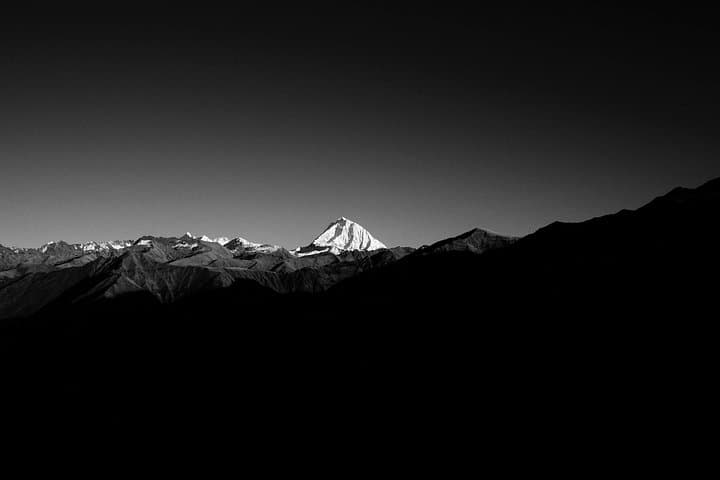

You set off before dawn from Cusco, the city’s cracked colonial stones fading as the road climbs toward Mollepata. The sky feels close here; the Salkantay massif looms, snow-shouldered and grave, while the trail winds through puna grass and then slides into the humid hush of cloud forest. Rivers will hurry past, daring you to stay still; the wind along the pass will push you forward.
You set off before dawn from Cusco, the city’s cracked colonial stones fading as the road climbs toward Mollepata. The sky feels close here; the Salkantay massif looms, snow-shouldered and grave, while the trail winds through puna grass and then slides into the humid hush of cloud forest. Rivers will hurry past, daring you to stay still; the wind along the pass will push you forward.
The route crosses striking terrain—glacial moraine and jagged granite around the Salkantay summit, then steep descents into tropical valleys and coffee slopes. Salkantay was venerated by the Inca as an apu, a mountain spirit; the trail itself is an ecological cross-section that helped link highland communities to Amazon foothills for centuries. Llactapata’s stonework hints at local routes contemporaneous with the Inca Trail, while Humantay Lake reflects the alpine sky at Soraypampa.
Practically, expect long days (one day reaches roughly 4,650 m at the pass), variable weather and sharply changing footing: scree, packed trail, muddy steps and river crossings. Guides and porters handle camp logistics on this itinerary, but you’ll carry a daypack and adapt to thin air—move slow, hydrate, and prioritize sleep.
Timing matters: early starts for views, and a pre-trek briefing helps align gear and pace. Protect electronics from damp, layer for wind and sun, and budget a full morning at Machu Picchu after the climb—this route rewards stamina with quieter approaches and a landscape that plateaus into one of South America’s most memorable arrivals.