THE ADVENTURE COLLECTIVE® · Independent discovery and booking for outdoor travel

Traverse alpine passes, cloudforest trails and Inca ruins on an 8-day Cusco-to-Machu Picchu itinerary. This itinerary blends acclimatization, Sacred Valley culture and the high Salkantay pass before descending to the citadel at dawn.
Traverse alpine passes, cloudforest trails and Inca ruins on an 8-day Cusco-to-Machu Picchu itinerary. This itinerary blends acclimatization, Sacred Valley culture and the high Salkantay pass before descending to the citadel at dawn.
A thin morning light slides across the red-roofed plazas of Cusco and the air carries the dry, metallic tang of altitude; here a city hums under the shadow of high peaks and you’re about to walk through their bones. Over eight days the route moves from cobbled colonial streets and the Sacred Valley’s irrigated terraces, up to the high alpine of the Salkantay Pass (≈4,600 m), then down into humid cloudforest, finishing at the terraces of Machu Picchu.
Verified experiences and guided adventures in the surrounding area.
Operated by Latin Adventures Cía Ltda · Cusco, Cusco
A thin morning light slides across the red-roofed plazas of Cusco and the air carries the dry, metallic tang of altitude; here a city hums under the shadow of high peaks and you’re about to walk through their bones. Over eight days the route moves from cobbled colonial streets and the Sacred Valley’s irrigated terraces, up to the high alpine of the Salkantay Pass (≈4,600 m), then down into humid cloudforest, finishing at the terraces of Machu Picchu.
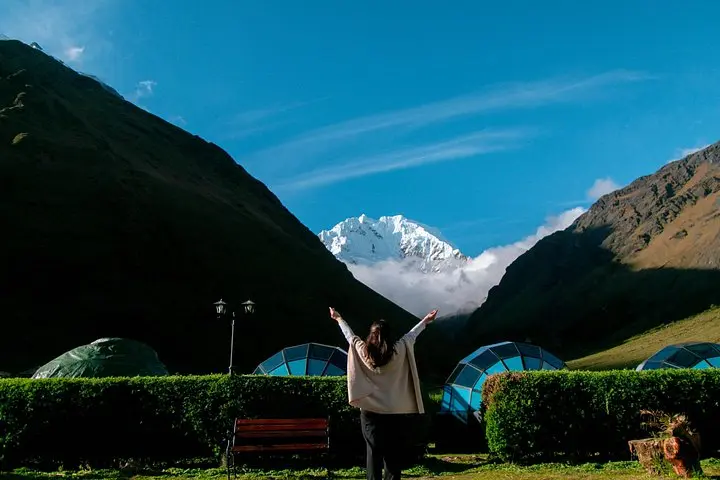
This landscape is layered: pre-Inca settlements, Inca roadworks and terraces cut into volcanic and metamorphic slopes. Salkantay — Salqa Antay in Quechua, “dancing wild” or “savage” mountain — dominates the skyline as a glaciated massif that channels meltwater into the Urubamba basin. Cultural notes arrive in markets and in Ollantaytambo’s living stonework; the trek also threads modern coffee and fruit plantations in the lower valleys.
Expect 60–70 km of walking across mixed terrain: steep stone steps, rocky moraine, narrow jungle trails and muddy descents. Daily elevation swings are significant: an alpine high on day four (pass) and long downhill days into Lucmabamba and Aguas Calientes.
Practically, acclimatize in Cusco for 48–72 hours, carry layers for freezing nights and hot daytime hikes, and plan for wet conditions in the cloudforest. The tour includes small-group guiding, hotels, some camp nights and a train from Aguas Calientes to Ollantaytambo; Machu Picchu entry and early 6:00 am visits maximize views and light. Hydration, sun protection, and conservative pacing will make the difference between a slog and a memorable ascent into Inca country.
No technical climbing skills are required, but prior multiday hiking experience and good fitness help with long days and altitude changes.
Yes — the itinerary includes Machu Picchu Archaeological Site entry and an early guided visit.
The Salkantay Pass reaches roughly 4,600–4,650 meters; altitude symptoms can appear, so acclimatize beforehand.
The operator transports a duffel bag of personal belongings while trekkers carry a daypack for essentials; confirm size limits before travel.
Latin Adventures Cía Ltda operates guided outdoor trips and adventures with an emphasis on safety, stewardship, and memorable experiences.
A thin morning light slides across the red-roofed plazas of Cusco and the air carries the dry, metallic tang of altitude; here a city hums under the shadow of high peaks and you’re about to walk through their bones. Over eight days the route moves from cobbled colonial streets and the Sacred Valley’s irrigated terraces, up to the high alpine of the Salkantay Pass (≈4,600 m), then down into humid cloudforest, finishing at the terraces of Machu Picchu.
A thin morning light slides across the red-roofed plazas of Cusco and the air carries the dry, metallic tang of altitude; here a city hums under the shadow of high peaks and you’re about to walk through their bones. Over eight days the route moves from cobbled colonial streets and the Sacred Valley’s irrigated terraces, up to the high alpine of the Salkantay Pass (≈4,600 m), then down into humid cloudforest, finishing at the terraces of Machu Picchu.
This landscape is layered: pre-Inca settlements, Inca roadworks and terraces cut into volcanic and metamorphic slopes. Salkantay — Salqa Antay in Quechua, “dancing wild” or “savage” mountain — dominates the skyline as a glaciated massif that channels meltwater into the Urubamba basin. Cultural notes arrive in markets and in Ollantaytambo’s living stonework; the trek also threads modern coffee and fruit plantations in the lower valleys.
Expect 60–70 km of walking across mixed terrain: steep stone steps, rocky moraine, narrow jungle trails and muddy descents. Daily elevation swings are significant: an alpine high on day four (pass) and long downhill days into Lucmabamba and Aguas Calientes.
Practically, acclimatize in Cusco for 48–72 hours, carry layers for freezing nights and hot daytime hikes, and plan for wet conditions in the cloudforest. The tour includes small-group guiding, hotels, some camp nights and a train from Aguas Calientes to Ollantaytambo; Machu Picchu entry and early 6:00 am visits maximize views and light. Hydration, sun protection, and conservative pacing will make the difference between a slog and a memorable ascent into Inca country.