THE ADVENTURE COLLECTIVE® · Independent discovery and booking for outdoor travel

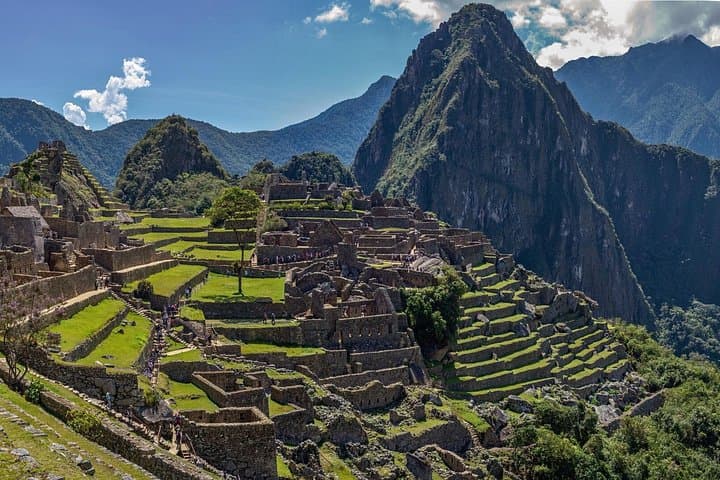
Cross the Salkantay Pass and descend into cloud forest on a five-day route that blends high-altitude challenge with Inca history. This trip culminates at Llactapata and Machu Picchu, offering dramatic views and immersive cultural encounters.
Cross the Salkantay Pass and descend into cloud forest on a five-day route that blends high-altitude challenge with Inca history. This trip culminates at Llactapata and Machu Picchu, offering dramatic views and immersive cultural encounters.
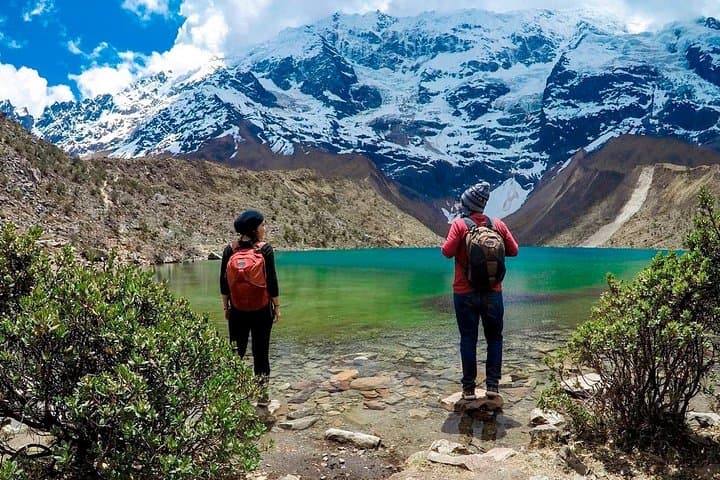
The trail opens before dawn: fog unravels from the valley, cooks light stoves at basecamp, and Salkantay’s glacier-rimmed face silently watches every step. You set out from Challacancha (3,400 m) into thin air that sharpens the senses—each breath a reminder that this is high-Andean country and the mountains expect respect.
Verified experiences and guided adventures in the surrounding area.
Operated by Xtreme Tourbulencia · Aguas Calientes, Cusco
The trail opens before dawn: fog unravels from the valley, cooks light stoves at basecamp, and Salkantay’s glacier-rimmed face silently watches every step. You set out from Challacancha (3,400 m) into thin air that sharpens the senses—each breath a reminder that this is high-Andean country and the mountains expect respect.
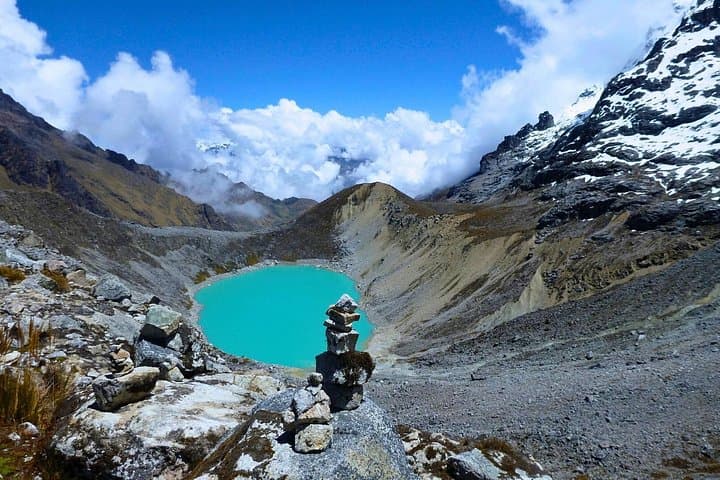
This five-day route crosses the Salkantay Pass at roughly 4,600 m, descends through puna and cloud forest, and follows ancient Inca connections to the Llactapata viewpoint above the Vilcanota gorge. Geologically, the landscape is an interplay of glacial moraines and steep volcanic ridges sculpted over millennia; culturally, the path threads past terraces and settlements shaped by centuries of Andean agriculture and Quechua traditions.
Expect shifting ecosystems: alpine scrub gives way to humid, orchid-rich forest where coffee and cacao plantations slope toward Lucmabamba. Wildlife is quieter here—condors wheel above the high ridges while cock-of-the-rocks call from the canopy below. Llactapata itself offers a panoramic look at Machu Picchu’s skyline and the river daring you through the canyon.
Practical guidance: the trek is challenging—daily stages can total 6–9 hours of hiking with steep ascents and long descents. Acclimatize in Cusco for 48–72 hours before departure, carry layered clothing, and be ready for rain and sun in the same afternoon. Use high-traction boots, a reliable rain shell, and a 30–40L daypack; the operator provides camping equipment, mules for up to ~7 kg of personal gear, and train/bus connections on day five. Hydrate, pace your ascent, and listen to guides—the route rewards patience with one of the most dramatic approaches to Machu Picchu.
Yes—entrance tickets for Machu Picchu and the Salkantay pass are included in this tour package.
The Salkantay Pass reaches about 4,600 m (15,092 ft); Salkantay peak itself tops 6,264 m but is not climbed on this route.
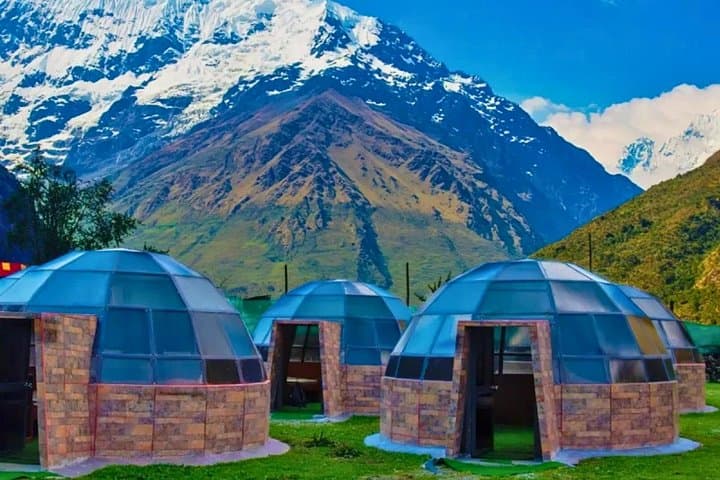
Yes—three breakfasts, lunches and dinners during the trek, camping equipment (dining tent, tables, chairs), and a night in Aguas Calientes with breakfast are provided.
Yes—horsemen and mules carry personal equipment up to around 7 kg; emergency horses are also available on sections of the route.
Xtreme Tourbulencia operates guided outdoor trips and adventures with an emphasis on safety, stewardship, and memorable experiences.
The trail opens before dawn: fog unravels from the valley, cooks light stoves at basecamp, and Salkantay’s glacier-rimmed face silently watches every step. You set out from Challacancha (3,400 m) into thin air that sharpens the senses—each breath a reminder that this is high-Andean country and the mountains expect respect.
The trail opens before dawn: fog unravels from the valley, cooks light stoves at basecamp, and Salkantay’s glacier-rimmed face silently watches every step. You set out from Challacancha (3,400 m) into thin air that sharpens the senses—each breath a reminder that this is high-Andean country and the mountains expect respect.
This five-day route crosses the Salkantay Pass at roughly 4,600 m, descends through puna and cloud forest, and follows ancient Inca connections to the Llactapata viewpoint above the Vilcanota gorge. Geologically, the landscape is an interplay of glacial moraines and steep volcanic ridges sculpted over millennia; culturally, the path threads past terraces and settlements shaped by centuries of Andean agriculture and Quechua traditions.
Expect shifting ecosystems: alpine scrub gives way to humid, orchid-rich forest where coffee and cacao plantations slope toward Lucmabamba. Wildlife is quieter here—condors wheel above the high ridges while cock-of-the-rocks call from the canopy below. Llactapata itself offers a panoramic look at Machu Picchu’s skyline and the river daring you through the canyon.
Practical guidance: the trek is challenging—daily stages can total 6–9 hours of hiking with steep ascents and long descents. Acclimatize in Cusco for 48–72 hours before departure, carry layered clothing, and be ready for rain and sun in the same afternoon. Use high-traction boots, a reliable rain shell, and a 30–40L daypack; the operator provides camping equipment, mules for up to ~7 kg of personal gear, and train/bus connections on day five. Hydrate, pace your ascent, and listen to guides—the route rewards patience with one of the most dramatic approaches to Machu Picchu.