THE ADVENTURE COLLECTIVE® · Independent discovery and booking for outdoor travel

A demanding alternative to the Inca Trail, the 5-day Salkantay Trek links high glacial passes and cloud forest en route to Machu Picchu. Expect long days, dramatic elevation change, and nights in tented camps with local culture woven into the route.
A demanding alternative to the Inca Trail, the 5-day Salkantay Trek links high glacial passes and cloud forest en route to Machu Picchu. Expect long days, dramatic elevation change, and nights in tented camps with local culture woven into the route.
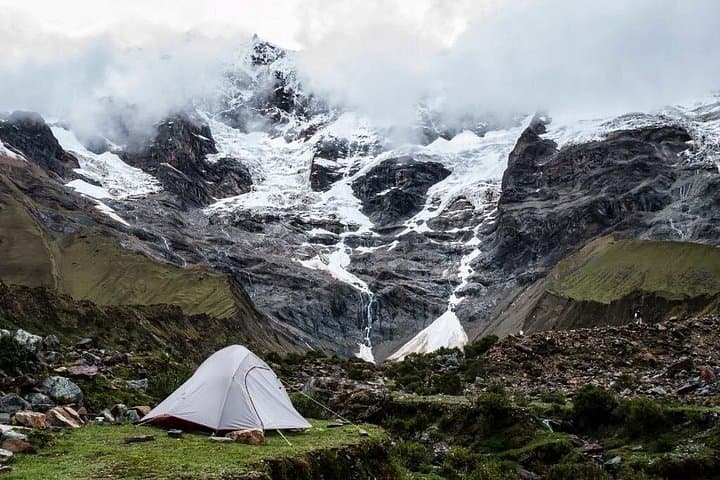
Dawn on the high Andean pass feels like stepping into a different weather system: wind scours the ridgeline, cloud fingers curl through serrated peaks, and Salkantay—an imposing pyramid of ice and rock—watches every step.
Verified experiences and guided adventures in the surrounding area.
Operated by PaRa Travels · Cusco, Cusco
Dawn on the high Andean pass feels like stepping into a different weather system: wind scours the ridgeline, cloud fingers curl through serrated peaks, and Salkantay—an imposing pyramid of ice and rock—watches every step.
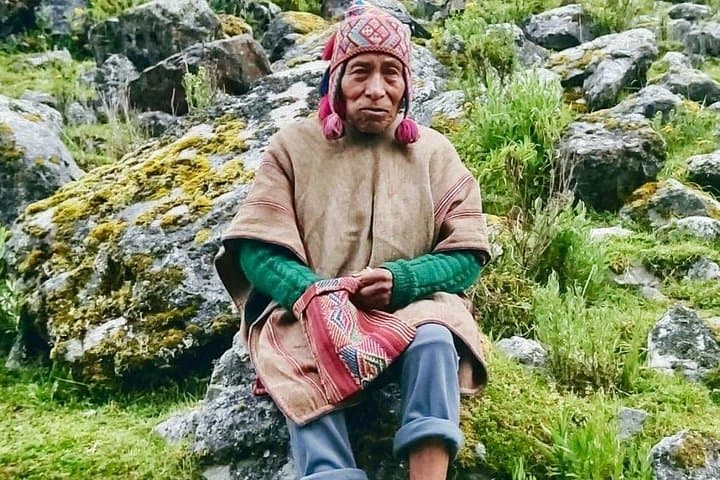
The five-day Salkantay route threads Quechua hamlets, glacial lakes, and montane cloud forest on a route once walked for ritual and trade. Geologically the corridor is raw: uplifted granite and metamorphic beds give way to glacial cirques and moraine-fed lakes such as Humantay. Culturally, the trail crosses living Andean communities where llama caravans, agricultural terraces, and traditional weaving remain daily practice.
You’ll feel the transition in the air and underfoot—thin, oxygen-poor altitude above 4,000 m, then humid, leaf-littered trails as the route drops toward Aguas Calientes. Wildlife peeks through the curtain of moss: highland birds and the occasional fox, while medicinal plants scent the lower slopes. Guides point out Inca-era waystations and irrigation works that attest to pre-Columbian logistics and ceremony.
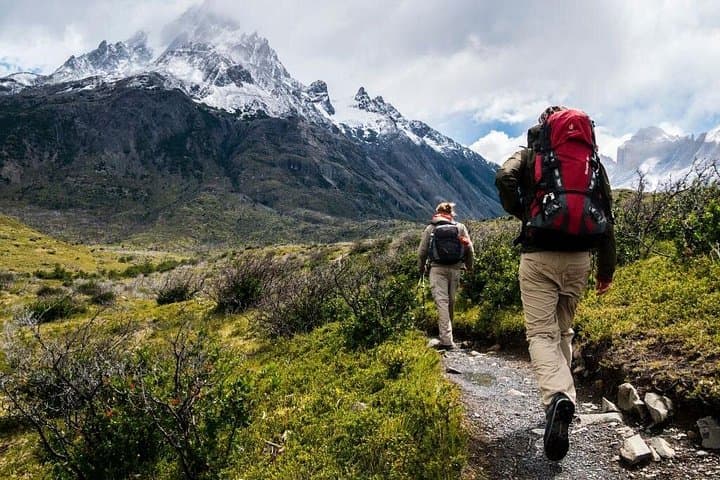
Practically, this itinerary demands steady legs and serious altitude acclimatization. Expect long days—one day of 9 hours and a high point near 4,650 m—and nights in tented camps. The operator covers transport, meals, and mules for shared loads, but personal layering, water management, and a slow, deliberate pace are your best tools.
Bring sun protection and a sleep system rated for cold nights; start acclimatizing in Cusco before departure. Respect local rules: stay on trails, pack out waste, and let the mountain keep its silence—Salkantay won’t be tamed, but it will reward careful travelers with views that stay with you.
No formal requirement, but previous hikes above 3,000 m and planned acclimatization in Cusco greatly reduce altitude-sickness risk.
Yes — the itinerary uses tented camps with provided kitchen/chef services; some nights include hotels (Aguas Calientes) as listed by the operator.
Mules carry general items and up to 5 kg of personal gear per person; heavier or unnecessary items should be left in Cusco or transported by your operator.
The tour aims for an early entrance with guided time from 6 a.m.; scheduling and ticket windows can affect timing, so booking early helps secure morning slots.
PaRa Travels operates guided outdoor trips and adventures with an emphasis on safety, stewardship, and memorable experiences.

Dawn on the high Andean pass feels like stepping into a different weather system: wind scours the ridgeline, cloud fingers curl through serrated peaks, and Salkantay—an imposing pyramid of ice and rock—watches every step.
Dawn on the high Andean pass feels like stepping into a different weather system: wind scours the ridgeline, cloud fingers curl through serrated peaks, and Salkantay—an imposing pyramid of ice and rock—watches every step.
The five-day Salkantay route threads Quechua hamlets, glacial lakes, and montane cloud forest on a route once walked for ritual and trade. Geologically the corridor is raw: uplifted granite and metamorphic beds give way to glacial cirques and moraine-fed lakes such as Humantay. Culturally, the trail crosses living Andean communities where llama caravans, agricultural terraces, and traditional weaving remain daily practice.
You’ll feel the transition in the air and underfoot—thin, oxygen-poor altitude above 4,000 m, then humid, leaf-littered trails as the route drops toward Aguas Calientes. Wildlife peeks through the curtain of moss: highland birds and the occasional fox, while medicinal plants scent the lower slopes. Guides point out Inca-era waystations and irrigation works that attest to pre-Columbian logistics and ceremony.
Practically, this itinerary demands steady legs and serious altitude acclimatization. Expect long days—one day of 9 hours and a high point near 4,650 m—and nights in tented camps. The operator covers transport, meals, and mules for shared loads, but personal layering, water management, and a slow, deliberate pace are your best tools.
Bring sun protection and a sleep system rated for cold nights; start acclimatizing in Cusco before departure. Respect local rules: stay on trails, pack out waste, and let the mountain keep its silence—Salkantay won’t be tamed, but it will reward careful travelers with views that stay with you.