THE ADVENTURE COLLECTIVE® · Independent discovery and booking for outdoor travel

A compact alternative to the classic Inca Trail, the 4-day Salkantay Trek crosses a 4,620 m alpine pass, skirts the Humantay Lagoon and descends through cloud forest to Machu Picchu. Expect long days, high passes, mule-supported camps, and dramatic biodiversity shifts.
A compact alternative to the classic Inca Trail, the 4-day Salkantay Trek crosses a 4,620 m alpine pass, skirts the Humantay Lagoon and descends through cloud forest to Machu Picchu. Expect long days, high passes, mule-supported camps, and dramatic biodiversity shifts.
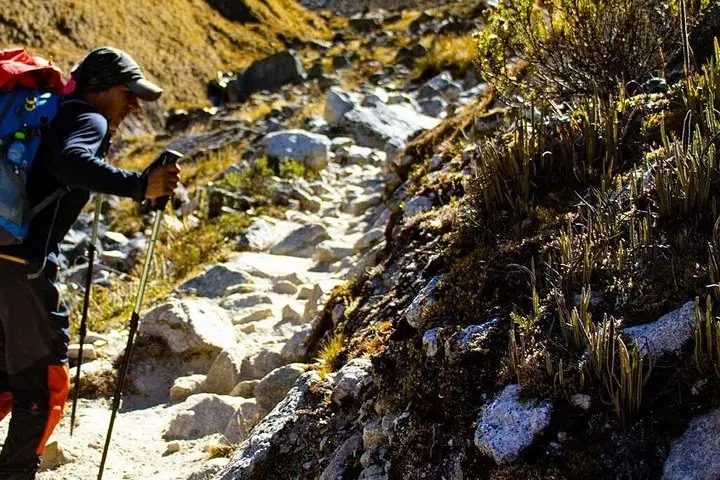
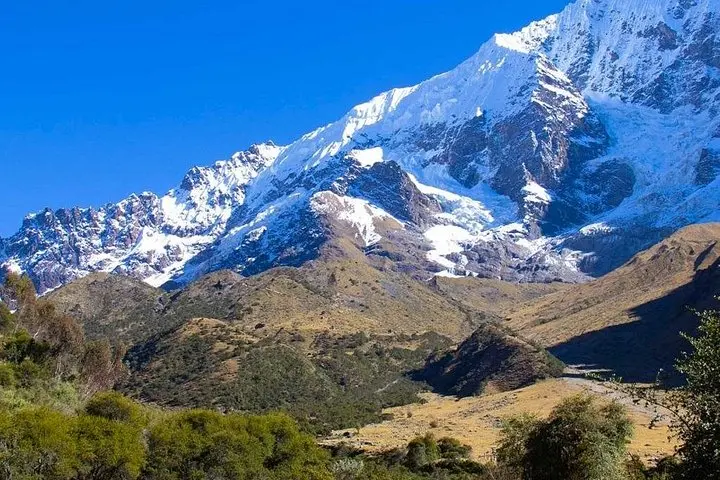
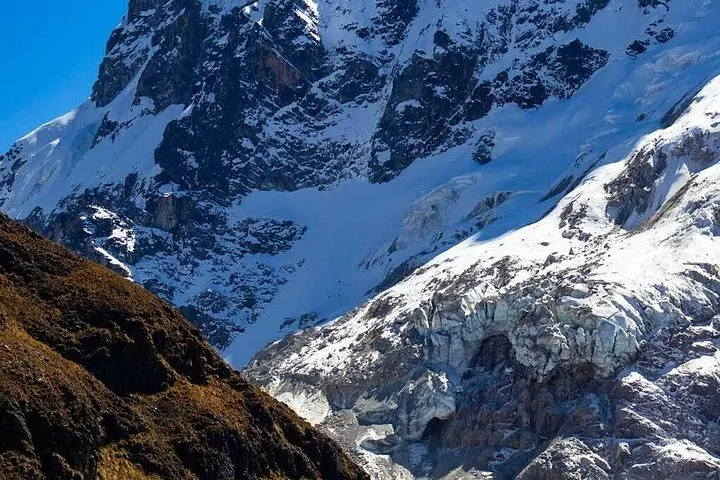
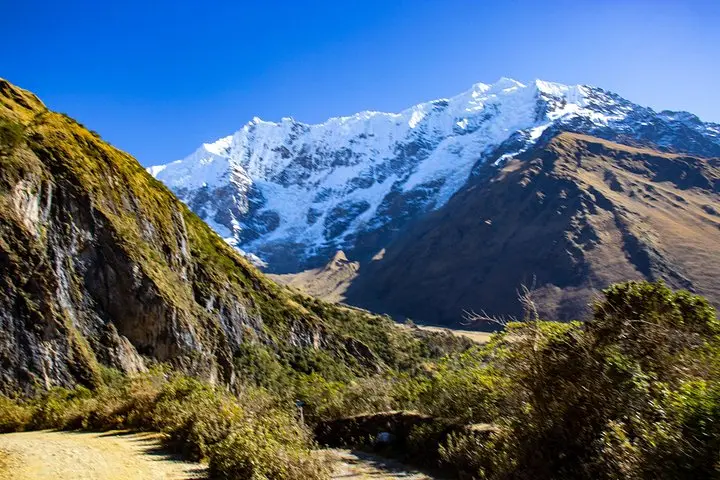
Dawn on the high Andes feels immediate: cold air slicing across faces, glaciers catching first light, and a jagged Salkantay looming like an old guardian. On the four-day Salkantay Trek you move from wind-scoured alpine into humid cloud forest, following mule tracks and river valleys that push you forward toward Machu Picchu.
Verified experiences and guided adventures in the surrounding area.
Operated by Aremika Travel · Cusco, Cusco Region
Dawn on the high Andes feels immediate: cold air slicing across faces, glaciers catching first light, and a jagged Salkantay looming like an old guardian. On the four-day Salkantay Trek you move from wind-scoured alpine into humid cloud forest, following mule tracks and river valleys that push you forward toward Machu Picchu.
This route threads history and geology. Salkantay itself is an ice-capped stratovolcano that the Inca regarded as an Apu, a mountain spirit. The trail crosses the Salkantay Pass at roughly 4,620 m, travels by the turquoise Humantay Lagoon, and descends through terraces and coffee farms into the Urubamba basin before reaching Aguas Calientes and the Inca citadel.
Culturally, you’ll pass small Quechua farming communities and see traditional stone channels that still irrigate crops; locally grown coffee and tropical fruits replace the starker highland palette as you drop in elevation. Nature here acts with intent: the pass demands respect, glaciers remind you of high-altitude weather, and jungle trails reel you into a different pace.
Practical guidance: allow time in Cusco to acclimatize, pack layered insulation and waterproofs, and expect high daily mileage—one day includes a 7 km, 4-hour ascent to the pass. Tents and camp meals are standard; mules carry group equipment though you’ll carry a daypack. Book Machu Picchu tickets in advance if you want Huayna Picchu access. Hydrate, move deliberately on steep descents, and carry cash for small purchases in villages. The Salkantay is scenic and variable—prepare for wind, sun, and sudden rain, and the trek will repay with vast mountain views and a dramatic arrival at Machu Picchu.
No single permit is required for the Salkantay trail, but you must book Machu Picchu entrance separately and ensure train/bus logistics to Aguas Calientes are arranged.
The pass day is the hardest: roughly 7 km and 4 hours to the 4,620 m summit with steep sections and thin air; slow, steady pacing is recommended.
Yes—group treks typically include two- or three-person tents, camp dining setup, and meals (with vegetarian options) as part of the package.
Yes—operators provide muleteers who carry group gear and can transport personal luggage for an extra fee; you still carry a daypack.
Aremika Travel operates guided outdoor trips and adventures with an emphasis on safety, stewardship, and memorable experiences.
Dawn on the high Andes feels immediate: cold air slicing across faces, glaciers catching first light, and a jagged Salkantay looming like an old guardian. On the four-day Salkantay Trek you move from wind-scoured alpine into humid cloud forest, following mule tracks and river valleys that push you forward toward Machu Picchu.
Dawn on the high Andes feels immediate: cold air slicing across faces, glaciers catching first light, and a jagged Salkantay looming like an old guardian. On the four-day Salkantay Trek you move from wind-scoured alpine into humid cloud forest, following mule tracks and river valleys that push you forward toward Machu Picchu.
This route threads history and geology. Salkantay itself is an ice-capped stratovolcano that the Inca regarded as an Apu, a mountain spirit. The trail crosses the Salkantay Pass at roughly 4,620 m, travels by the turquoise Humantay Lagoon, and descends through terraces and coffee farms into the Urubamba basin before reaching Aguas Calientes and the Inca citadel.
Culturally, you’ll pass small Quechua farming communities and see traditional stone channels that still irrigate crops; locally grown coffee and tropical fruits replace the starker highland palette as you drop in elevation. Nature here acts with intent: the pass demands respect, glaciers remind you of high-altitude weather, and jungle trails reel you into a different pace.
Practical guidance: allow time in Cusco to acclimatize, pack layered insulation and waterproofs, and expect high daily mileage—one day includes a 7 km, 4-hour ascent to the pass. Tents and camp meals are standard; mules carry group equipment though you’ll carry a daypack. Book Machu Picchu tickets in advance if you want Huayna Picchu access. Hydrate, move deliberately on steep descents, and carry cash for small purchases in villages. The Salkantay is scenic and variable—prepare for wind, sun, and sudden rain, and the trek will repay with vast mountain views and a dramatic arrival at Machu Picchu.