THE ADVENTURE COLLECTIVE® · Independent discovery and booking for outdoor travel

A five-day alternative to the Inca Trail, the Salkantay Trek moves from snowfields to cloud forest before arriving at Machu Picchu. Expect high passes, remote camps, and varied terrain—logistics are handled, but altitude and distance demand preparation.
A five-day alternative to the Inca Trail, the Salkantay Trek moves from snowfields to cloud forest before arriving at Machu Picchu. Expect high passes, remote camps, and varied terrain—logistics are handled, but altitude and distance demand preparation.
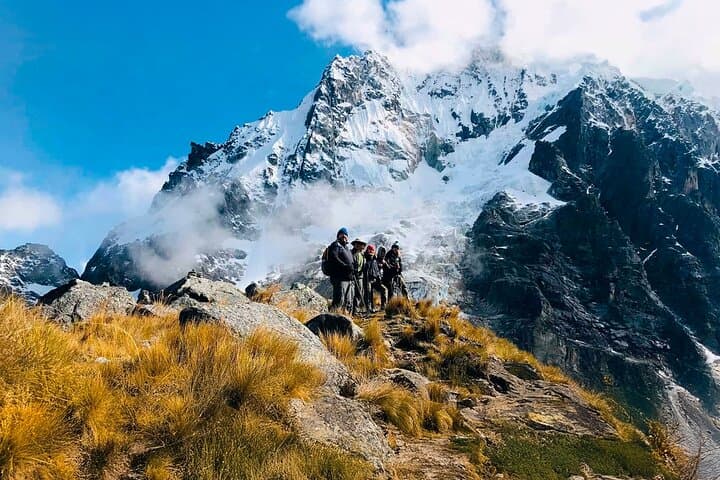
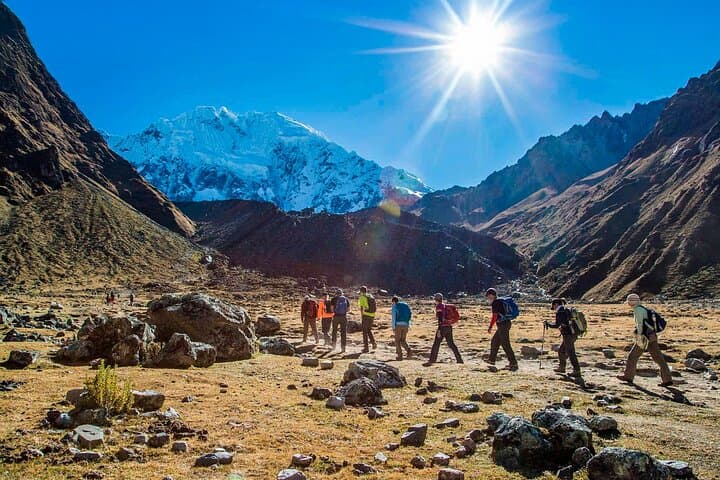
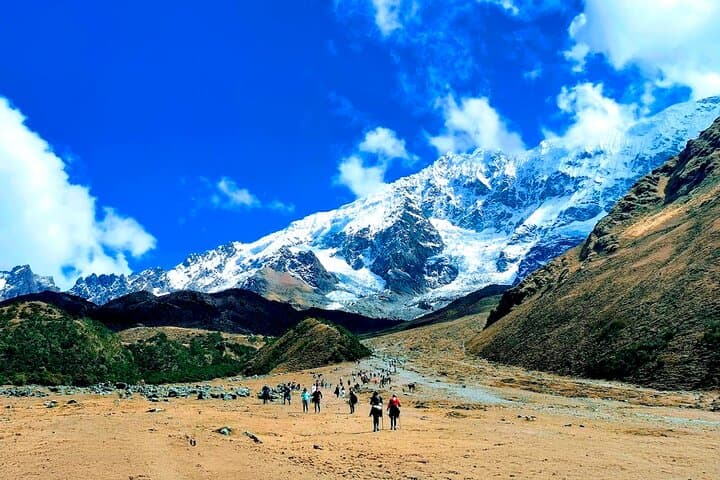
A thin, alpine light breaks over jagged snow as hikers tighten straps and step onto a trail that climbs toward Salkantay’s shadow. The first day threads high puna and ancient water canals, finishing with the turquoise shock of Humantay Lake; by the second day the Salkantay Pass (around 4,600 m) dominates the skyline, daring legs to keep moving. Over five days the route falls from wind-scoured altiplano into humid cloud forest, ending at the railway and the hot, busy heart of Aguas Calientes before Machu Picchu reveals itself at dawn.
Verified experiences and guided adventures in the surrounding area.
Operated by Go Xplore Peru · Cusco, Cusco
A thin, alpine light breaks over jagged snow as hikers tighten straps and step onto a trail that climbs toward Salkantay’s shadow. The first day threads high puna and ancient water canals, finishing with the turquoise shock of Humantay Lake; by the second day the Salkantay Pass (around 4,600 m) dominates the skyline, daring legs to keep moving. Over five days the route falls from wind-scoured altiplano into humid cloud forest, ending at the railway and the hot, busy heart of Aguas Calientes before Machu Picchu reveals itself at dawn.
Geologically, Salkantay is a glaciated massif that separates the high Andes from the Amazon watershed; trails follow old Inca routes and mule tracks that have moved people and goods for centuries. Culturally, the trek touches rural Quechua communities and coffee valleys where local families still process beans by hand.
Practical guidance is straightforward: expect roughly 60–70 km of walking over mixed terrain, daily elevation shifts of up to 1,200 m, and sustained altitude above 3,000 m for much of the trek. Trails vary from packed dirt and scree to jungle singletrack; wooden bridges and river crossings are common on days three and four.
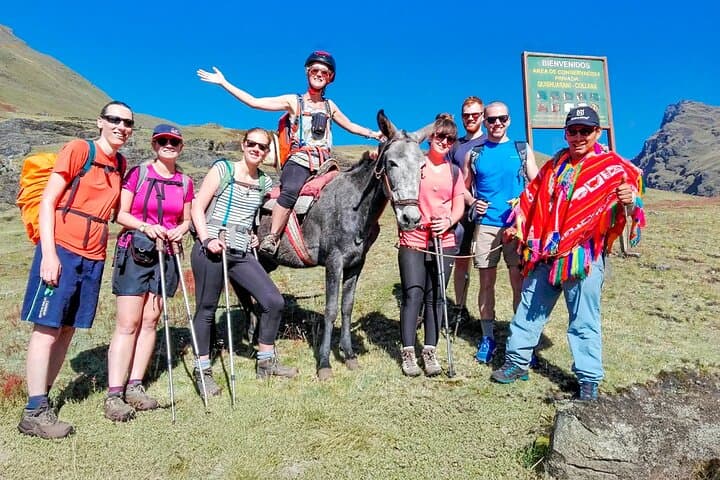
Prepare by acclimatizing in Cusco for 48–72 hours, packing layered clothing for wide temperature swings, and carrying hydration and sun protection. Guides handle logistics—tents, cooks, mules and permits—so focus on pacing, respecting local communities, and leaving no trace as you move from arid highlands into the breathing green of the cloud forest.
Salkantay is longer and reaches higher altitude but avoids the Inca Trail’s ruins density; it’s more remote with bigger elevation swings, so it’s often considered more physically demanding.
Yes—Machu Picchu entry and the bus from Aguas Calientes are included by many operators; confirm permits and train tickets are secured before departure.
Fit beginners may complete it with proper acclimatization and pacing, but previous multi-day hiking experience and good fitness are strongly recommended.
Altitude sickness is common; acclimatize in Cusco, ascend slowly, stay hydrated, and notify guides immediately if symptoms worsen—oxygen and emergency evacuation are standard inclusions.
Go Xplore Peru operates guided outdoor trips and adventures with an emphasis on safety, stewardship, and memorable experiences.
A thin, alpine light breaks over jagged snow as hikers tighten straps and step onto a trail that climbs toward Salkantay’s shadow. The first day threads high puna and ancient water canals, finishing with the turquoise shock of Humantay Lake; by the second day the Salkantay Pass (around 4,600 m) dominates the skyline, daring legs to keep moving. Over five days the route falls from wind-scoured altiplano into humid cloud forest, ending at the railway and the hot, busy heart of Aguas Calientes before Machu Picchu reveals itself at dawn.
A thin, alpine light breaks over jagged snow as hikers tighten straps and step onto a trail that climbs toward Salkantay’s shadow. The first day threads high puna and ancient water canals, finishing with the turquoise shock of Humantay Lake; by the second day the Salkantay Pass (around 4,600 m) dominates the skyline, daring legs to keep moving. Over five days the route falls from wind-scoured altiplano into humid cloud forest, ending at the railway and the hot, busy heart of Aguas Calientes before Machu Picchu reveals itself at dawn.
Geologically, Salkantay is a glaciated massif that separates the high Andes from the Amazon watershed; trails follow old Inca routes and mule tracks that have moved people and goods for centuries. Culturally, the trek touches rural Quechua communities and coffee valleys where local families still process beans by hand.
Practical guidance is straightforward: expect roughly 60–70 km of walking over mixed terrain, daily elevation shifts of up to 1,200 m, and sustained altitude above 3,000 m for much of the trek. Trails vary from packed dirt and scree to jungle singletrack; wooden bridges and river crossings are common on days three and four.
Prepare by acclimatizing in Cusco for 48–72 hours, packing layered clothing for wide temperature swings, and carrying hydration and sun protection. Guides handle logistics—tents, cooks, mules and permits—so focus on pacing, respecting local communities, and leaving no trace as you move from arid highlands into the breathing green of the cloud forest.