THE ADVENTURE COLLECTIVE® · Independent discovery and booking for outdoor travel

This five-day Salkantay route pairs high-Andean challenge with unexpected comforts—from glass cabanas beneath glaciers to a Hobbit House in the cloud forest—ending at Machu Picchu. Read on for what to expect, how to prepare, and local insights for a safer, more rewarding trek.
This five-day Salkantay route pairs high-Andean challenge with unexpected comforts—from glass cabanas beneath glaciers to a Hobbit House in the cloud forest—ending at Machu Picchu. Read on for what to expect, how to prepare, and local insights for a safer, more rewarding trek.
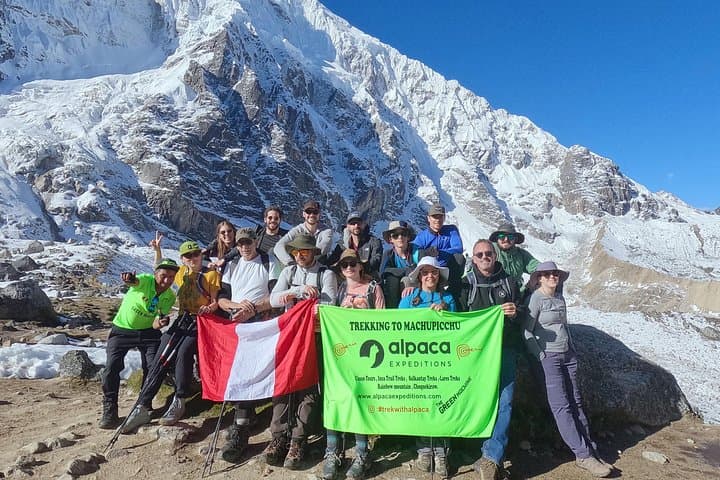
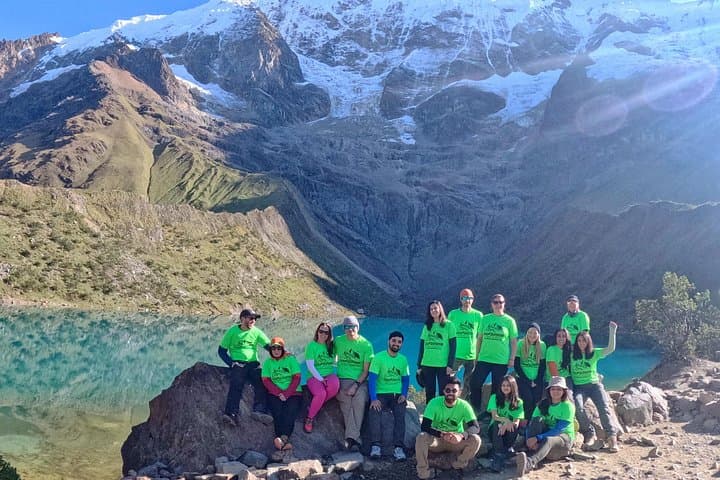
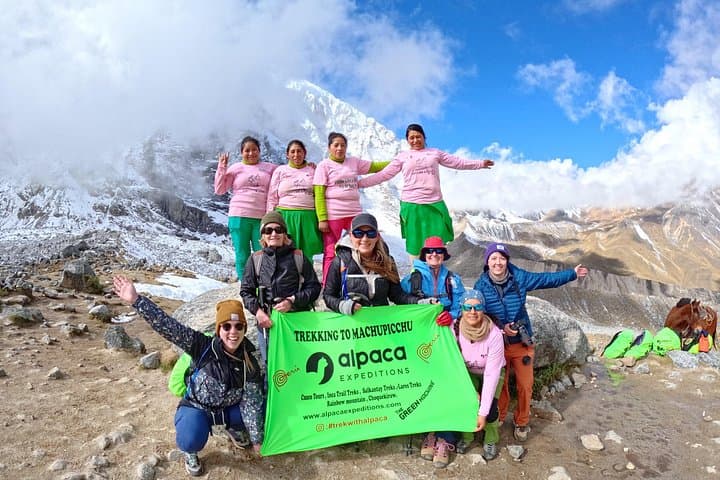
You wake before dawn in Cusco, the air sharp and thin, boarding a van that climbs through Andean valleys toward Soraypampa. By mid-morning the mountains close in: Salkantay’s glacier stares down like a slow-moving force, and the trail ahead alternates between wind-swept ridgelines and shady cloud-forest gullies.
Verified experiences and guided adventures in the surrounding area.
Operated by Alpaca Expeditions · Cusco, Cusco
You wake before dawn in Cusco, the air sharp and thin, boarding a van that climbs through Andean valleys toward Soraypampa. By mid-morning the mountains close in: Salkantay’s glacier stares down like a slow-moving force, and the trail ahead alternates between wind-swept ridgelines and shady cloud-forest gullies.
This five-day route follows a lesser-trafficked corridor to Machu Picchu, tracing both high puna and humid montane jungle. Geologically the trek runs along uplifted granite and glacial moraines—the pass at 4,630 m is a clear divide where alpine tundra yields to green slopes below. Culturally you pass through Quechua communities and historic Inca waystations; Llactapata gives you an angled glimpse of Machu Picchu from an original Inca vantage point.
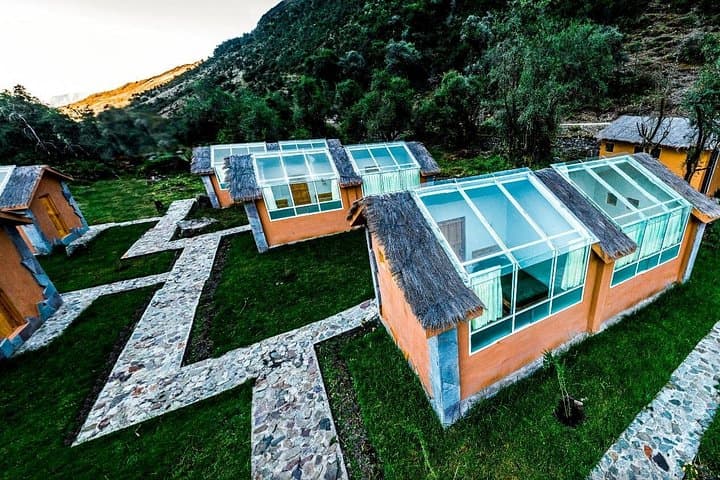
Expect varied lodging: an overnight in transparent glass cabañas for high-altitude light, camping under domes, then a surprising Hobbit House with hot showers as the trail drops into the cloud forest. Wildlife here is active: colorful tanagers and the raucous cock-of-the-rock may appear in the lower sections; above, the wind seems to push you onward as you cross the pass.
Practical guidance: acclimatize in Cusco beforehand, pack layers for freeze–thaw swings, and plan for steep, rocky ascents and long downhill stretches. Hydration and sun protection matter—altitude amplifies sun and exertion. The operator provides meals, porters, and safety gear; you should bring a daypack, good boots, and a positive tolerance for multi-day trekking at high elevation to get the most from Salkantay’s dramatic transitions and the final reward: Machu Picchu.
Yes — your original passport is required for Machu Picchu entry and will be checked by guides at the site.
The pass reaches about 4,630 m with steep switchbacks; it's a long, high-altitude day that requires pacing and prior acclimatization but no technical climbing.
Meals listed in the itinerary and a personal porter allowance (up to 7 kg) are included; the operator also provides a trekking chef and additional porters for group gear.
Guides carry oxygen and first-aid supplies; if symptoms persist you may be evacuated by van or return to a lower campsite—communicate early to your guide if you feel unwell.
Alpaca Expeditions operates guided outdoor trips and adventures with an emphasis on safety, stewardship, and memorable experiences.
You wake before dawn in Cusco, the air sharp and thin, boarding a van that climbs through Andean valleys toward Soraypampa. By mid-morning the mountains close in: Salkantay’s glacier stares down like a slow-moving force, and the trail ahead alternates between wind-swept ridgelines and shady cloud-forest gullies.
You wake before dawn in Cusco, the air sharp and thin, boarding a van that climbs through Andean valleys toward Soraypampa. By mid-morning the mountains close in: Salkantay’s glacier stares down like a slow-moving force, and the trail ahead alternates between wind-swept ridgelines and shady cloud-forest gullies.
This five-day route follows a lesser-trafficked corridor to Machu Picchu, tracing both high puna and humid montane jungle. Geologically the trek runs along uplifted granite and glacial moraines—the pass at 4,630 m is a clear divide where alpine tundra yields to green slopes below. Culturally you pass through Quechua communities and historic Inca waystations; Llactapata gives you an angled glimpse of Machu Picchu from an original Inca vantage point.
Expect varied lodging: an overnight in transparent glass cabañas for high-altitude light, camping under domes, then a surprising Hobbit House with hot showers as the trail drops into the cloud forest. Wildlife here is active: colorful tanagers and the raucous cock-of-the-rock may appear in the lower sections; above, the wind seems to push you onward as you cross the pass.
Practical guidance: acclimatize in Cusco beforehand, pack layers for freeze–thaw swings, and plan for steep, rocky ascents and long downhill stretches. Hydration and sun protection matter—altitude amplifies sun and exertion. The operator provides meals, porters, and safety gear; you should bring a daypack, good boots, and a positive tolerance for multi-day trekking at high elevation to get the most from Salkantay’s dramatic transitions and the final reward: Machu Picchu.