THE ADVENTURE COLLECTIVE® · Independent discovery and booking for outdoor travel

A five-day, high-altitude trek from Cusco to Machu Picchu that mixes glamping, glacier lakes, cloud forest and a panoramic Vistadome train return. Expect steep passes, cultural stops and dramatic views.
A five-day, high-altitude trek from Cusco to Machu Picchu that mixes glamping, glacier lakes, cloud forest and a panoramic Vistadome train return. Expect steep passes, cultural stops and dramatic views.
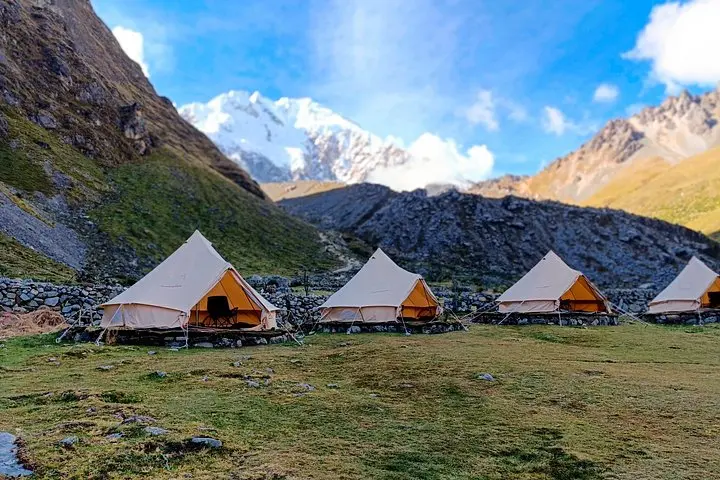
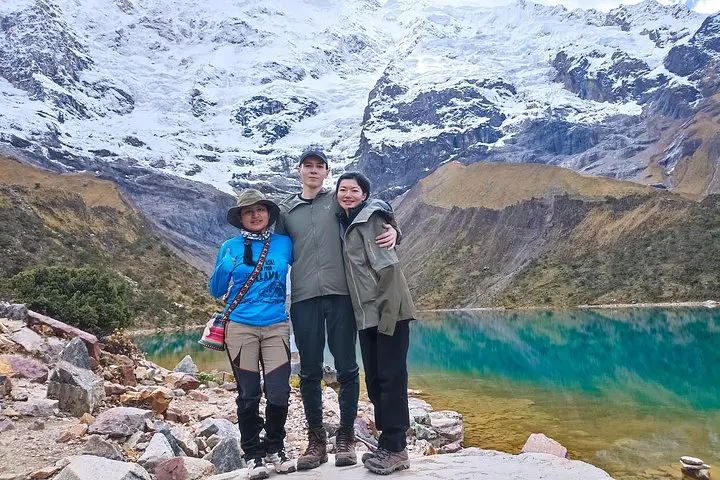
The trek opens before dawn: Cusco’s cobblestones fall away as a minibus climbs into high Andean light. By midmorning the trail exhales, revealing a turquoise pool cradled beneath glacial cliffs—Humantay Lake—its wind pressing cold against your cheeks. Over five days you trade alpine barrens for cloud-forest humidity, sleep under a sky of hard white stars in a glamping tent at Soraypampa, then descend through orchids and coffee plantations toward the Urubamba River and Aguas Calientes.
Verified experiences and guided adventures in the surrounding area.
Operated by TreXperience · Cusco, Cusco
The trek opens before dawn: Cusco’s cobblestones fall away as a minibus climbs into high Andean light. By midmorning the trail exhales, revealing a turquoise pool cradled beneath glacial cliffs—Humantay Lake—its wind pressing cold against your cheeks. Over five days you trade alpine barrens for cloud-forest humidity, sleep under a sky of hard white stars in a glamping tent at Soraypampa, then descend through orchids and coffee plantations toward the Urubamba River and Aguas Calientes.
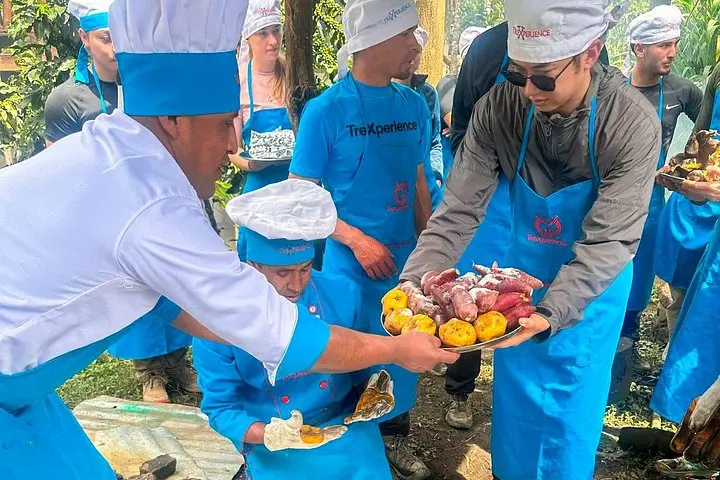
This route runs alongside Inca corridors and modern mule tracks. Geologically, the Salkantay massif is a glacier-carved granite and volcanic complex that casts dramatic ridgelines; erosion and uplift created the steep passes that define the route, including the 4,630 m Salkantay Pass. The lands are woven with Quechua culture—Pachamanca cooking and coffee farms remain living traditions, and Llactapata’s ruins offer an outpost perspective on the Inca road network and Machu Picchu’s prominence.
Expect long ascents and descents, sharp altitude changes, and a progression from puna grasslands to humid cloud forest. The final approach along railway tracks beside the Urubamba gives you a botanical finale—orchids, hummingbirds and, if you’re lucky, the cock-of-the-rock.
Practical guidance: acclimatize in Cusco for 24–48 hours, pack layered insulation and a reliable rain shell, and limit your duffel to the 7 kg provided to muleteers. Start early each day to avoid afternoon weather and conserve energy for the high pass. With thoughtful pacing, this route is a demanding but highly rewarding way to reach Machu Picchu.
Yes—this itinerary includes Machu Picchu entrance tickets as part of the package; Huayna Picchu or Machu Picchu Mountain climbs may require separate pre-booking.
Personal duffel allowance for muleteers is up to 7 kg (15 lb); keep valuables and daily clothes with you in your daypack.
Yes—altitude is the primary risk; acclimatize in Cusco, hydrate, ascend slowly and notify guides immediately if symptoms worsen.
The trip mixes glamping (tents with pads and pillows), rustic Andean huts and one 3-star hotel night—sleeping pads, pillows and basic towels are provided.
TreXperience operates guided outdoor trips and adventures with an emphasis on safety, stewardship, and memorable experiences.
The trek opens before dawn: Cusco’s cobblestones fall away as a minibus climbs into high Andean light. By midmorning the trail exhales, revealing a turquoise pool cradled beneath glacial cliffs—Humantay Lake—its wind pressing cold against your cheeks. Over five days you trade alpine barrens for cloud-forest humidity, sleep under a sky of hard white stars in a glamping tent at Soraypampa, then descend through orchids and coffee plantations toward the Urubamba River and Aguas Calientes.
The trek opens before dawn: Cusco’s cobblestones fall away as a minibus climbs into high Andean light. By midmorning the trail exhales, revealing a turquoise pool cradled beneath glacial cliffs—Humantay Lake—its wind pressing cold against your cheeks. Over five days you trade alpine barrens for cloud-forest humidity, sleep under a sky of hard white stars in a glamping tent at Soraypampa, then descend through orchids and coffee plantations toward the Urubamba River and Aguas Calientes.
This route runs alongside Inca corridors and modern mule tracks. Geologically, the Salkantay massif is a glacier-carved granite and volcanic complex that casts dramatic ridgelines; erosion and uplift created the steep passes that define the route, including the 4,630 m Salkantay Pass. The lands are woven with Quechua culture—Pachamanca cooking and coffee farms remain living traditions, and Llactapata’s ruins offer an outpost perspective on the Inca road network and Machu Picchu’s prominence.
Expect long ascents and descents, sharp altitude changes, and a progression from puna grasslands to humid cloud forest. The final approach along railway tracks beside the Urubamba gives you a botanical finale—orchids, hummingbirds and, if you’re lucky, the cock-of-the-rock.
Practical guidance: acclimatize in Cusco for 24–48 hours, pack layered insulation and a reliable rain shell, and limit your duffel to the 7 kg provided to muleteers. Start early each day to avoid afternoon weather and conserve energy for the high pass. With thoughtful pacing, this route is a demanding but highly rewarding way to reach Machu Picchu.