THE ADVENTURE COLLECTIVE® · Independent discovery and booking for outdoor travel

A five-day classic alternative to the Inca Trail, the Salkantay Trek climbs to high mountain passes and descends into cloud forest before delivering you to Machu Picchu. Expect glacial views, Humantay’s turquoise lake and multi-day camping with trained guides.
A five-day classic alternative to the Inca Trail, the Salkantay Trek climbs to high mountain passes and descends into cloud forest before delivering you to Machu Picchu. Expect glacial views, Humantay’s turquoise lake and multi-day camping with trained guides.
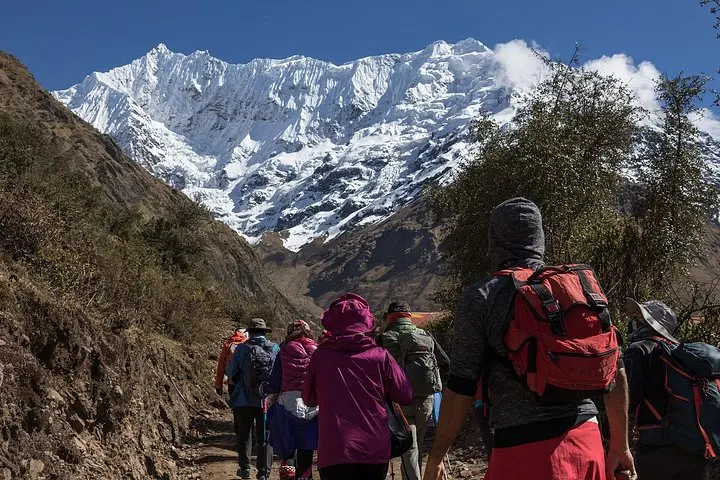
The morning air bites at 4:30 a.m. as a bus leaves Cusco and threads narrow Andean roads toward Mollepata. By mid-day you are climbing into a world of fractured glaciers and wind-swept moraine; Salkantay’s bulk watches over the trail, its snowfields daring you onward. Turquoise Humantay Lake appears after a steep ascent, a sudden, impossible bowl of water below the white ridge.
Verified experiences and guided adventures in the surrounding area.
Operated by inca machu picchu tours · Cusco, Cusco
The morning air bites at 4:30 a.m. as a bus leaves Cusco and threads narrow Andean roads toward Mollepata. By mid-day you are climbing into a world of fractured glaciers and wind-swept moraine; Salkantay’s bulk watches over the trail, its snowfields daring you onward. Turquoise Humantay Lake appears after a steep ascent, a sudden, impossible bowl of water below the white ridge.
This route follows pre-Inca and Inca-era corridors that cross dramatic geological boundaries: glaciated highlands give way to cloud forest in less than two days. The Salkantay massif is a granitic, uplifted peak that channels dry, cold air down into valleys where subsistence farms and coffee plots thrive; you’ll pass small hamlets and irrigation channels that still follow centuries-old practices.
Culturally, the trek threads rural Quechua communities—local guides and muleteers keep traditions alive and you’ll taste coca tea offered for altitude. The finale is Machu Picchu, a stone city sited where mountain and river converge.
Practical guidance: plan at least five days with one full acclimatization day in Cusco, pack layered clothing for swings from ~2,400–4,650 m, and expect long uphill stretches and steep descents on rocky, sometimes muddy trails. Bring a water system and gaiters; nights are cold in tents. The operator typically provides camping gear, most meals, trained bilingual guides, and the Machu Picchu entrance and train from Aguas Calientes back to the Sacred Valley. Start early each day to avoid afternoon rain in the cloud forest and budget time in Aguas Calientes for hot springs and a final transfer to Ollantaytambo before returning to Cusco.
Yes—the itinerary notes Machu Picchu entrance fees are included along with a bilingual guide for the site.
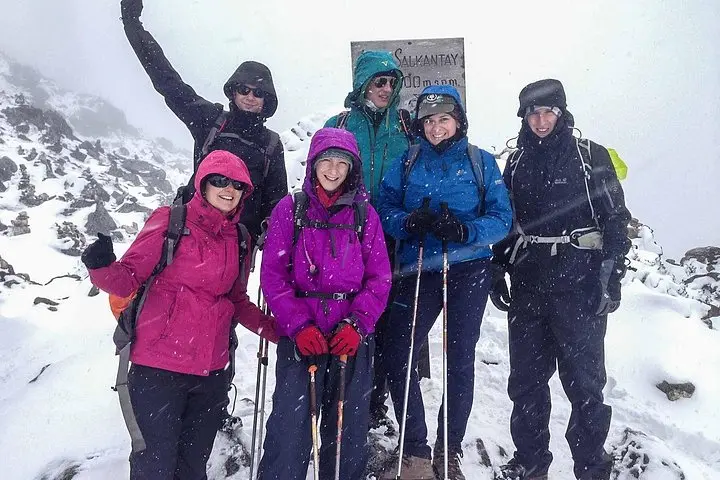
The route reaches about 4,650 meters at the high pass where snow can be present; expect thinner air and colder temperatures.
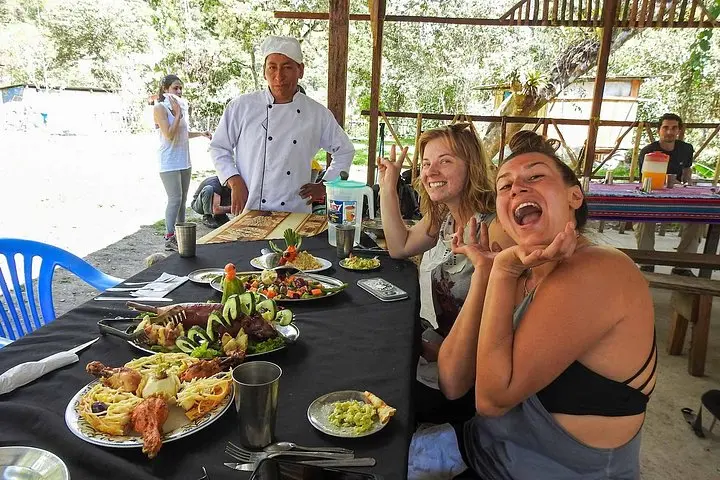
Yes—high-quality two-person tents, eating tent, tables, chairs and most meals (breakfasts, lunches, dinners) are included in the tour package.
Acclimatize in Cusco, hydrate, avoid alcohol, use coca leaves or acetazolamide if advised by a physician, and notify guides immediately if symptoms worsen.
inca machu picchu tours operates guided outdoor trips and adventures with an emphasis on safety, stewardship, and memorable experiences.
The morning air bites at 4:30 a.m. as a bus leaves Cusco and threads narrow Andean roads toward Mollepata. By mid-day you are climbing into a world of fractured glaciers and wind-swept moraine; Salkantay’s bulk watches over the trail, its snowfields daring you onward. Turquoise Humantay Lake appears after a steep ascent, a sudden, impossible bowl of water below the white ridge.
The morning air bites at 4:30 a.m. as a bus leaves Cusco and threads narrow Andean roads toward Mollepata. By mid-day you are climbing into a world of fractured glaciers and wind-swept moraine; Salkantay’s bulk watches over the trail, its snowfields daring you onward. Turquoise Humantay Lake appears after a steep ascent, a sudden, impossible bowl of water below the white ridge.
This route follows pre-Inca and Inca-era corridors that cross dramatic geological boundaries: glaciated highlands give way to cloud forest in less than two days. The Salkantay massif is a granitic, uplifted peak that channels dry, cold air down into valleys where subsistence farms and coffee plots thrive; you’ll pass small hamlets and irrigation channels that still follow centuries-old practices.
Culturally, the trek threads rural Quechua communities—local guides and muleteers keep traditions alive and you’ll taste coca tea offered for altitude. The finale is Machu Picchu, a stone city sited where mountain and river converge.
Practical guidance: plan at least five days with one full acclimatization day in Cusco, pack layered clothing for swings from ~2,400–4,650 m, and expect long uphill stretches and steep descents on rocky, sometimes muddy trails. Bring a water system and gaiters; nights are cold in tents. The operator typically provides camping gear, most meals, trained bilingual guides, and the Machu Picchu entrance and train from Aguas Calientes back to the Sacred Valley. Start early each day to avoid afternoon rain in the cloud forest and budget time in Aguas Calientes for hot springs and a final transfer to Ollantaytambo before returning to Cusco.