THE ADVENTURE COLLECTIVE® · Independent discovery and booking for outdoor travel

A five-day circuit that climbs a 4,600 m Andean pass, drops through cloud forest to Llactapata, and finishes with a guided visit to Machu Picchu. Expect high-altitude exposure, varied terrain and a coffee-farm stop in the high jungle.
A five-day circuit that climbs a 4,600 m Andean pass, drops through cloud forest to Llactapata, and finishes with a guided visit to Machu Picchu. Expect high-altitude exposure, varied terrain and a coffee-farm stop in the high jungle.
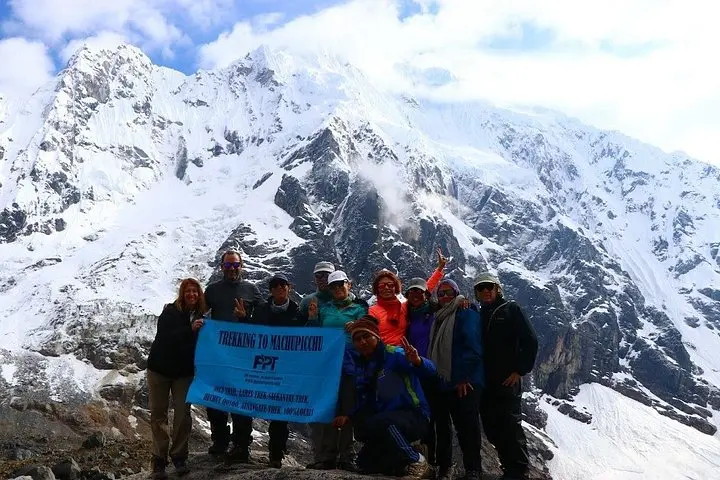
Dawn cuts through the high-Andean cold as your group laces boots at 3,900–4,600 m, the Salkantay massif looming like a weathered guardian. The first day climbs toward Humantay lagoon’s turquoise mirror; later the trail crosses the Salkantay pass—one of the high points at roughly 4,600 m—before dropping into the green, humid shoulders of the cloud forest.
Verified experiences and guided adventures in the surrounding area.
Operated by Peru Private Tours · Cusco, Cusco Region
Dawn cuts through the high-Andean cold as your group laces boots at 3,900–4,600 m, the Salkantay massif looming like a weathered guardian. The first day climbs toward Humantay lagoon’s turquoise mirror; later the trail crosses the Salkantay pass—one of the high points at roughly 4,600 m—before dropping into the green, humid shoulders of the cloud forest.
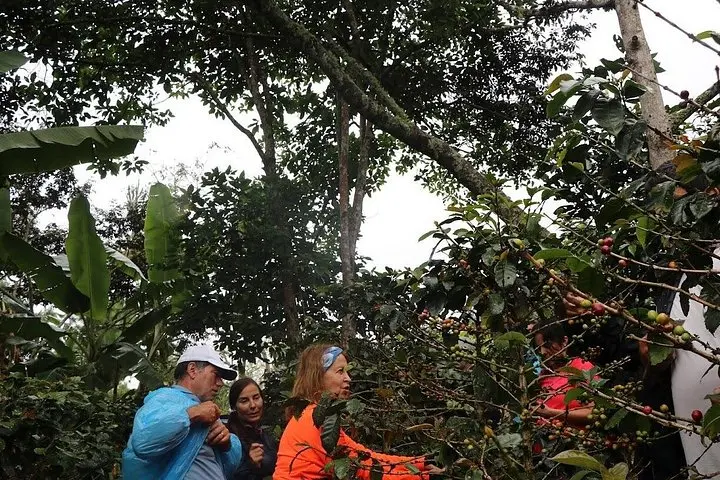
This route stitches Inca pathways, glacial moraine and coffee terraces into a five-day narrative. Geologically the trek traces uplifted Andean bedrock and glacial valleys carved by ancient ice, then slides into the volcanic-rich soils of the upper Amazon basin. Culturally you pass small campesino settlements and a working coffee hacienda in the Lucma Bamba valley; local guides explain Inca astronomy at Llactapata, the vantage that first framed Machu Picchu to those coming from the east.
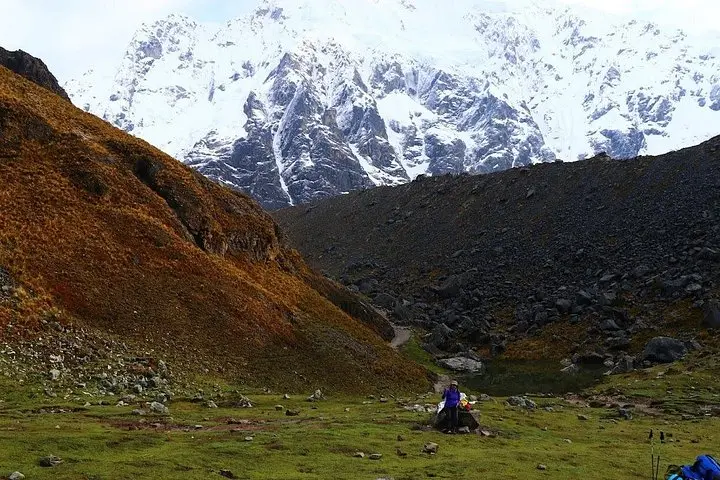
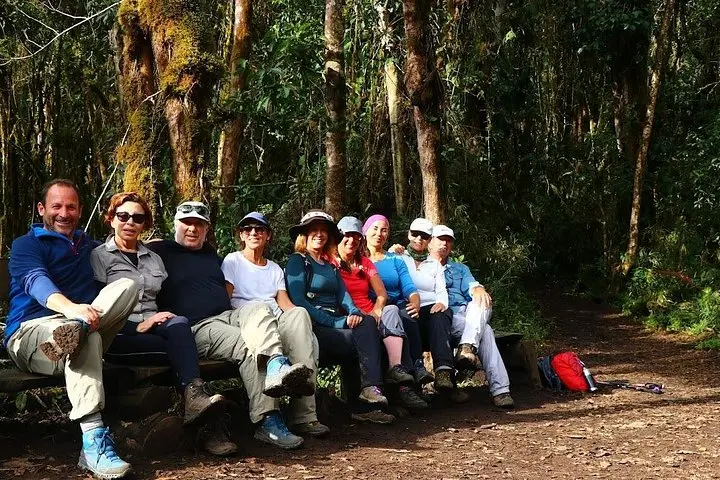
Expect alpine moraine and loose scree above the pass, steep switchbacks and then soft, rooty cloud-forest trails. The last day follows the railroad past the hydroelectric station, crossing rivers and ending in Aguas Calientes before a guided morning at Machu Picchu.
Practical essentials: spend 24–48 hours in Cusco to acclimatize, carry layered clothing and a rain shell, bring a headlamp for early starts, and budget for optional Huayna Picchu permits. Camping gear, most meals and entry tickets are included on this itinerary, but physical fitness, proper footwear and hydration are what make the views and the summit moments stick.
Yes—this itinerary includes Machu Picchu entrance tickets; if you want Huayna Picchu or Machu Picchu Mountain, request those early as spaces are limited.
The Salkantay pass reaches roughly 4,600 m (15,100 ft), so altitude awareness and prior acclimatization are important.
Yes—this tour provides tents and general camping equipment, though some travelers bring a sleeping liner for extra warmth.
Yes—there’s an optional stop at Santa Teresa hot springs after the trail; bring swimwear and a towel, and expect a short van transfer from Challway.
Peru Private Tours operates guided outdoor trips and adventures with an emphasis on safety, stewardship, and memorable experiences.
Dawn cuts through the high-Andean cold as your group laces boots at 3,900–4,600 m, the Salkantay massif looming like a weathered guardian. The first day climbs toward Humantay lagoon’s turquoise mirror; later the trail crosses the Salkantay pass—one of the high points at roughly 4,600 m—before dropping into the green, humid shoulders of the cloud forest.
Dawn cuts through the high-Andean cold as your group laces boots at 3,900–4,600 m, the Salkantay massif looming like a weathered guardian. The first day climbs toward Humantay lagoon’s turquoise mirror; later the trail crosses the Salkantay pass—one of the high points at roughly 4,600 m—before dropping into the green, humid shoulders of the cloud forest.
This route stitches Inca pathways, glacial moraine and coffee terraces into a five-day narrative. Geologically the trek traces uplifted Andean bedrock and glacial valleys carved by ancient ice, then slides into the volcanic-rich soils of the upper Amazon basin. Culturally you pass small campesino settlements and a working coffee hacienda in the Lucma Bamba valley; local guides explain Inca astronomy at Llactapata, the vantage that first framed Machu Picchu to those coming from the east.
Expect alpine moraine and loose scree above the pass, steep switchbacks and then soft, rooty cloud-forest trails. The last day follows the railroad past the hydroelectric station, crossing rivers and ending in Aguas Calientes before a guided morning at Machu Picchu.
Practical essentials: spend 24–48 hours in Cusco to acclimatize, carry layered clothing and a rain shell, bring a headlamp for early starts, and budget for optional Huayna Picchu permits. Camping gear, most meals and entry tickets are included on this itinerary, but physical fitness, proper footwear and hydration are what make the views and the summit moments stick.