THE ADVENTURE COLLECTIVE® · Independent discovery and booking for outdoor travel

A demanding five-day route from glaciated high passes to the jungle doorway of Machu Picchu, the Salkantay Trek rewards exertion with dramatic ecological change, remote Quechua villages, and sweeping mountain views. Ideal for fit hikers who prioritize solitude over the crowded Inca Trail.
A demanding five-day route from glaciated high passes to the jungle doorway of Machu Picchu, the Salkantay Trek rewards exertion with dramatic ecological change, remote Quechua villages, and sweeping mountain views. Ideal for fit hikers who prioritize solitude over the crowded Inca Trail.
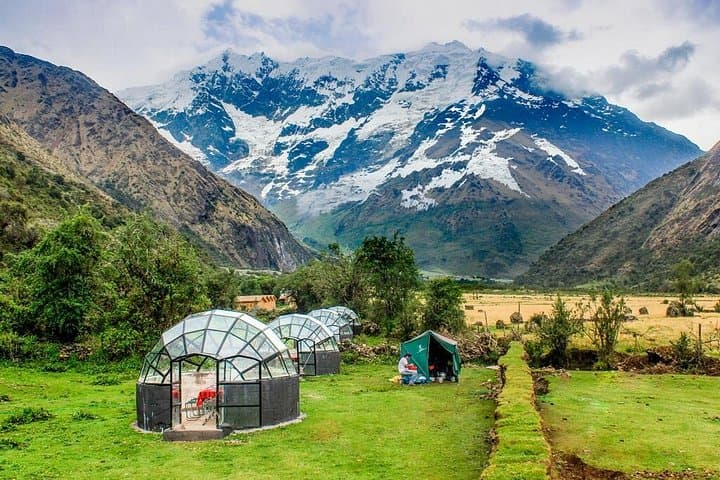
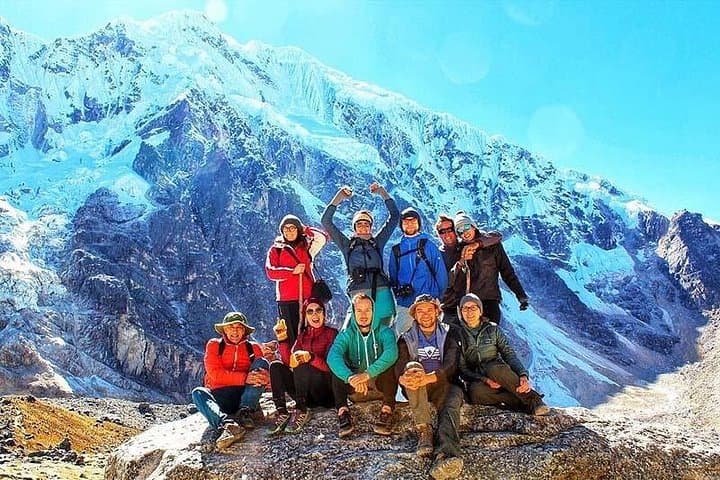
The trail opens with a chill that bites at the first light — snowfields on Salkantay’s flanks gleam as you tighten your pack and step onto a saddle that separates glaciated rock from thick cloud forest.
Verified experiences and guided adventures in the surrounding area.
Operated by Antisuyo Travel · Cusco, Cusco
The trail opens with a chill that bites at the first light — snowfields on Salkantay’s flanks gleam as you tighten your pack and step onto a saddle that separates glaciated rock from thick cloud forest.
Across five days the route moves like a living map: high alpine passes dropping into polylepis groves, then into humidity where orchids and ceibo trees crowd the path. Geologically the Cordillera Vilcabamba throws one last uplift before the Amazon basin; granite and schist give way to river-cut terraces and steep moraine gullies. Culturally the walk threads past small Quechua communities where subsistence agriculture and traditional weaving remain visible and rarely interrupted by tourists.
Daylight is for forward motion — long ascents to the Salkantay pass (often above 4,600 m) and steep descents on loose talus — while evenings are for camp routines: melting snow for tea, stowing damp layers, and listening to rivers daring you toward the lowlands.
Practical planning centers on acclimatization and weather. Expect sharp temperature swings and afternoon showers in the wet months; the trail is technically straightforward but physically demanding. Guides typically provide camping equipment, meals, and the final train or bus connection to Aguas Calientes and Machu Picchu.
Bring a layered system, a competent sleeping bag, and respect trail etiquette — pack out what you pack in, keep campsites compact, and allow extra days in Cusco to adapt to altitude. For independent planners, permits and train slots into Aguas Calientes are limited during peak season; book early and choose dry-season windows for the clearest mountain views.
It’s longer and higher in altitude than the classic Inca Trail; technically similar but generally less crowded and more remote, so fitness and acclimatization are essential.
Many operators supply tents, sleeping pads and cooking gear; confirm what’s included and whether you must bring your own sleeping bag.
Most multi-day operators include Machu Picchu tickets and train transport from Aguas Calientes — verify in advance and reserve your preferred Machu Picchu time slot.
The dry season (June–August) offers the clearest mountain views; shoulder seasons (Sep–Nov, Mar–May) balance fewer crowds with reasonable weather.
Antisuyo Travel operates guided outdoor trips and adventures with an emphasis on safety, stewardship, and memorable experiences.


The trail opens with a chill that bites at the first light — snowfields on Salkantay’s flanks gleam as you tighten your pack and step onto a saddle that separates glaciated rock from thick cloud forest.
The trail opens with a chill that bites at the first light — snowfields on Salkantay’s flanks gleam as you tighten your pack and step onto a saddle that separates glaciated rock from thick cloud forest.
Across five days the route moves like a living map: high alpine passes dropping into polylepis groves, then into humidity where orchids and ceibo trees crowd the path. Geologically the Cordillera Vilcabamba throws one last uplift before the Amazon basin; granite and schist give way to river-cut terraces and steep moraine gullies. Culturally the walk threads past small Quechua communities where subsistence agriculture and traditional weaving remain visible and rarely interrupted by tourists.
Daylight is for forward motion — long ascents to the Salkantay pass (often above 4,600 m) and steep descents on loose talus — while evenings are for camp routines: melting snow for tea, stowing damp layers, and listening to rivers daring you toward the lowlands.
Practical planning centers on acclimatization and weather. Expect sharp temperature swings and afternoon showers in the wet months; the trail is technically straightforward but physically demanding. Guides typically provide camping equipment, meals, and the final train or bus connection to Aguas Calientes and Machu Picchu.
Bring a layered system, a competent sleeping bag, and respect trail etiquette — pack out what you pack in, keep campsites compact, and allow extra days in Cusco to adapt to altitude. For independent planners, permits and train slots into Aguas Calientes are limited during peak season; book early and choose dry-season windows for the clearest mountain views.