THE ADVENTURE COLLECTIVE® · Independent discovery and booking for outdoor travel

A challenging five-day route that climbs to high Andean passes before descending through cloud forest to Llactapata and Machu Picchu. Expect glacial views, coffee farms and strict altitude planning.
A challenging five-day route that climbs to high Andean passes before descending through cloud forest to Llactapata and Machu Picchu. Expect glacial views, coffee farms and strict altitude planning.
You stand at Soraypampa before dawn, coca tea in hand, as a raw wind pushes down from the high pass and Salkantay’s snowfields outline themselves against an indigo sky. The trail immediately tests lungs and focus—rocky switchbacks rise into thin air then open to jungle-green valleys that seem to pull you forward.
Verified experiences and guided adventures in the surrounding area.
Operated by Salkantay Backpackers Org · Cusco, Cusco
You stand at Soraypampa before dawn, coca tea in hand, as a raw wind pushes down from the high pass and Salkantay’s snowfields outline themselves against an indigo sky. The trail immediately tests lungs and focus—rocky switchbacks rise into thin air then open to jungle-green valleys that seem to pull you forward.
This five-day itinerary threads Andean puna, cloud forest and Inca stonework. Historically the route skirts alternate Inca approaches to Machu Picchu; Llactapata offers a vantage point used for surveillance and ritual observation of the royal citadel. Geologically the corridor is dramatic: glacial cirques above 4,000 m give way to steep erosive valleys carved by the Apurímac, while the lower days move through volcanic soils that foster coffee and avocado plantations.
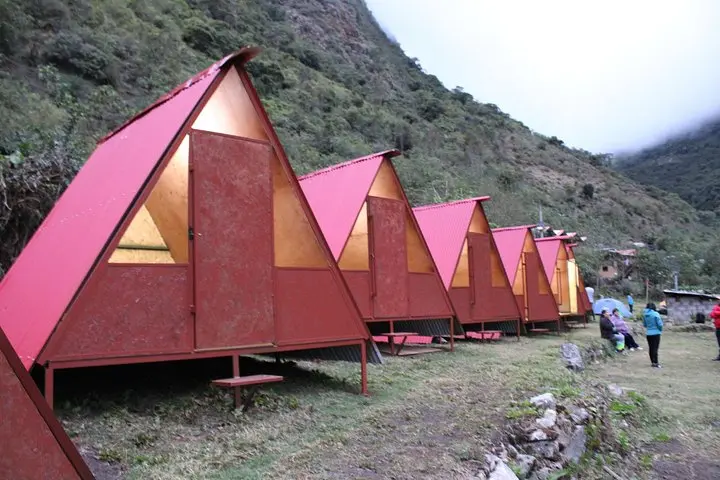
Culturally you’ll encounter Quechua-speaking communities, traditional huts and small coffee cooperatives in Lucmabamba. Wildlife responds to elevation like a meter on a dial—tropical species appear as you descend, highland birds and orchids cling to mossy trunks.
Practical guidance: pace your ascent, sip frequently and use a light-to-midweight layering system for rapid temperature swings. Expect varied terrain—rock, scree, river trails and singletrack—so sturdy boots and trekking poles matter. Be prepared for early starts and long uphill days, especially the Salkantay pass day, and confirm Machu Picchu ticket logistics with your operator before departure. End your trek in Aguas Calientes or return by minivan from Hidroeléctrica; both options require planning for time and transport.
This tour indicates a Machu Picchu ticket is provided—confirm specifics with the operator and supply passport details to match the ticket.
That day is the hardest: sustained uphill to the high pass with altitude above 4,500 m; expect 5–7 hours of demanding hiking.
Yes; the optional bus from Aguas Calientes costs roughly $12 each way and shortens the final climb to the citadel.
Yes—spend 24–48 hours in Cusco doing light activity first; altitude-related issues are the chief medical concern.
Salkantay Backpackers Org operates guided outdoor trips and adventures with an emphasis on safety, stewardship, and memorable experiences.
You stand at Soraypampa before dawn, coca tea in hand, as a raw wind pushes down from the high pass and Salkantay’s snowfields outline themselves against an indigo sky. The trail immediately tests lungs and focus—rocky switchbacks rise into thin air then open to jungle-green valleys that seem to pull you forward.
You stand at Soraypampa before dawn, coca tea in hand, as a raw wind pushes down from the high pass and Salkantay’s snowfields outline themselves against an indigo sky. The trail immediately tests lungs and focus—rocky switchbacks rise into thin air then open to jungle-green valleys that seem to pull you forward.
This five-day itinerary threads Andean puna, cloud forest and Inca stonework. Historically the route skirts alternate Inca approaches to Machu Picchu; Llactapata offers a vantage point used for surveillance and ritual observation of the royal citadel. Geologically the corridor is dramatic: glacial cirques above 4,000 m give way to steep erosive valleys carved by the Apurímac, while the lower days move through volcanic soils that foster coffee and avocado plantations.
Culturally you’ll encounter Quechua-speaking communities, traditional huts and small coffee cooperatives in Lucmabamba. Wildlife responds to elevation like a meter on a dial—tropical species appear as you descend, highland birds and orchids cling to mossy trunks.
Practical guidance: pace your ascent, sip frequently and use a light-to-midweight layering system for rapid temperature swings. Expect varied terrain—rock, scree, river trails and singletrack—so sturdy boots and trekking poles matter. Be prepared for early starts and long uphill days, especially the Salkantay pass day, and confirm Machu Picchu ticket logistics with your operator before departure. End your trek in Aguas Calientes or return by minivan from Hidroeléctrica; both options require planning for time and transport.