THE ADVENTURE COLLECTIVE® · Independent discovery and booking for outdoor travel

A 12-day semi-private route that combines the high Salkantay Pass with the Sacred Valley and Machu Picchu. Expect high-altitude trekking, nights in camp and hotels, and cultural stops in Cusco and Ollantaytambo.
A 12-day semi-private route that combines the high Salkantay Pass with the Sacred Valley and Machu Picchu. Expect high-altitude trekking, nights in camp and hotels, and cultural stops in Cusco and Ollantaytambo.
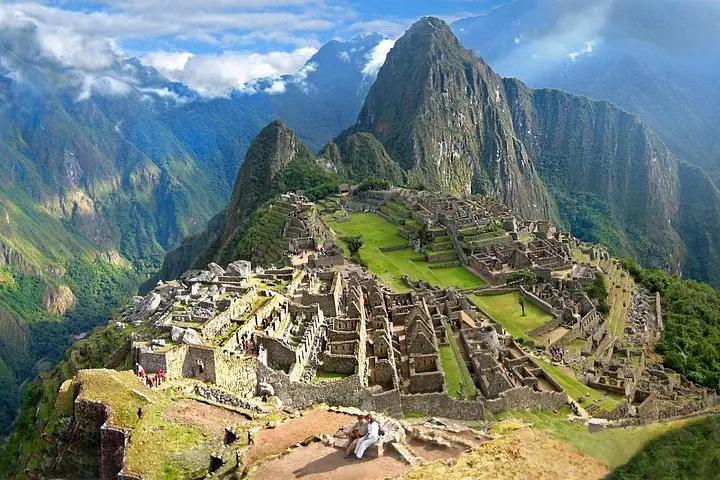
A cold dawn lifts over the high Andes as the van winds out of Cusco toward Mollepata; frost clings to grassy shoulders and the Salkantay massif looms, dark and glaciated, daring travelers upward. On this 12-day semi-private itinerary the landscape shifts from terraced Sacred Valley farmlands to the razor ridge of Salkantay Pass and down through cloud forest to the ruined terraces of Machu Picchu.
Verified experiences and guided adventures in the surrounding area.
Operated by Cusco Unique Experience · Cusco, Cusco Region
A cold dawn lifts over the high Andes as the van winds out of Cusco toward Mollepata; frost clings to grassy shoulders and the Salkantay massif looms, dark and glaciated, daring travelers upward. On this 12-day semi-private itinerary the landscape shifts from terraced Sacred Valley farmlands to the razor ridge of Salkantay Pass and down through cloud forest to the ruined terraces of Machu Picchu.
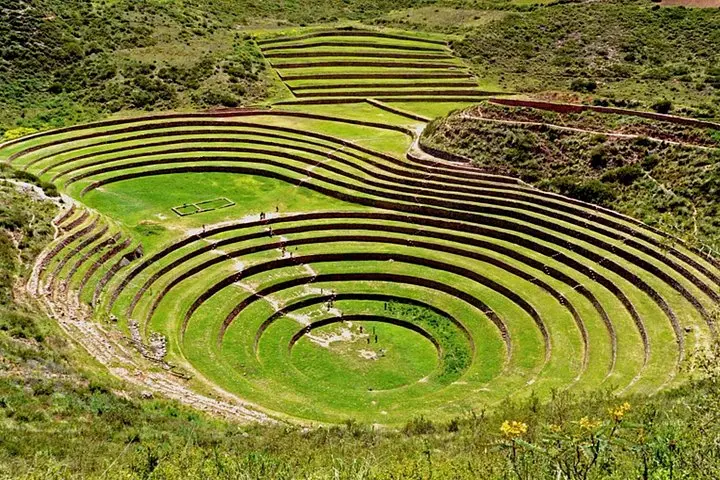
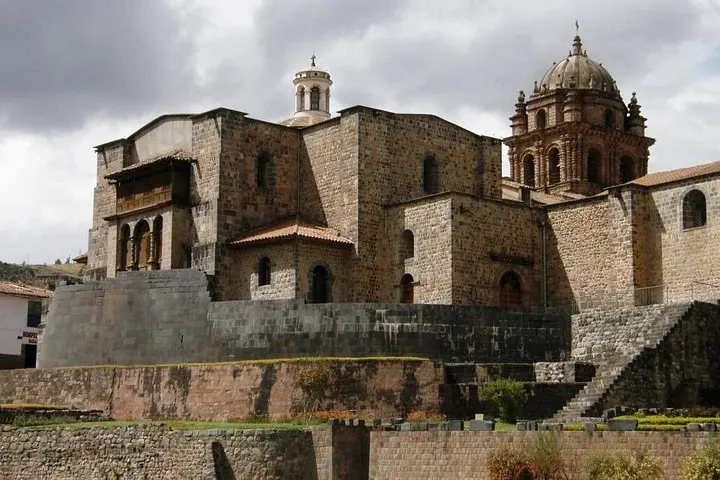
Geology here is immediate: uplifted Paleozoic bedrock and young glacial sculpting create steep passes, hanging valleys and the deep gorge that channels the Urubamba. Culturally, the route threads Incan waystations, living Quechua villages and salt pans at Maras; local guides translate ceremonial meaning tied to mountains—apus—and the persistence of pastoral life. History stacks in stone: Ollantaytambo and Pisaq show tactical terrace engineering and water control that fed imperial Cusco.
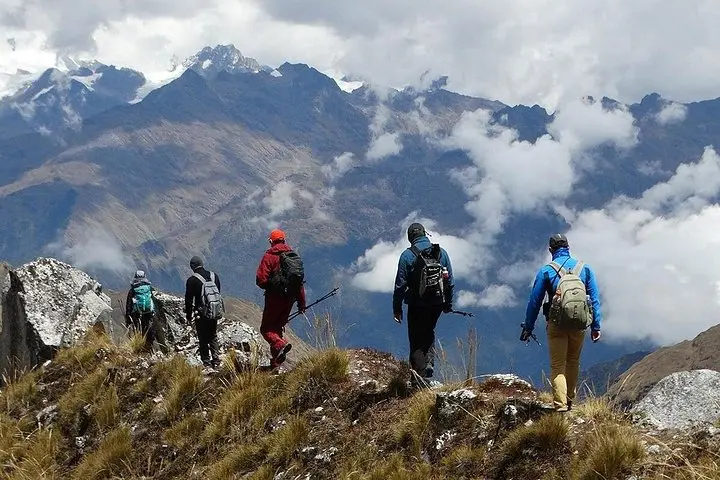
Expect long days on variable terrain: high-altitude hiking up to Salkantay Pass (~4,600 m), steep descents, rocky mule tracks and muddy cloud-forest trails. Camping is included on the trek, with village and hotel nights in Cusco and Aguas Calientes. Practicalities matter: acclimatize in Cusco for 48–72 hours, carry layered clothing for temperature swings, and be prepared for thin air and strong sun.
Trail rhythm alternates steady climbs, breath-catching viewpoints and hot springs near Santa Teresa. For planning: pack a warm sleeping bag (rated to -10°C), waterproof boots, sun protection and blister care. Hydration, steady pacing and respect for local customs keep the trip both challenging and deeply rewarding.
Yes — entrance tickets to Machu Picchu are time-slot based and separate from the trek; this tour includes entrance fees and standard guided access.
The highest point is around 4,600 m with steep, rocky approaches; expect 4–7 hours of hiking that day and reduced oxygen—pacing is essential.
Yes — the itinerary supplies tents, mattresses, chef-prepared meals on trek days and a sleeping bag/duffle as noted in inclusions.
Possibly — these require additional permits booked in advance; let the operator know early so they can secure availability.
Cusco Unique Experience operates guided outdoor trips and adventures with an emphasis on safety, stewardship, and memorable experiences.
A cold dawn lifts over the high Andes as the van winds out of Cusco toward Mollepata; frost clings to grassy shoulders and the Salkantay massif looms, dark and glaciated, daring travelers upward. On this 12-day semi-private itinerary the landscape shifts from terraced Sacred Valley farmlands to the razor ridge of Salkantay Pass and down through cloud forest to the ruined terraces of Machu Picchu.
A cold dawn lifts over the high Andes as the van winds out of Cusco toward Mollepata; frost clings to grassy shoulders and the Salkantay massif looms, dark and glaciated, daring travelers upward. On this 12-day semi-private itinerary the landscape shifts from terraced Sacred Valley farmlands to the razor ridge of Salkantay Pass and down through cloud forest to the ruined terraces of Machu Picchu.
Geology here is immediate: uplifted Paleozoic bedrock and young glacial sculpting create steep passes, hanging valleys and the deep gorge that channels the Urubamba. Culturally, the route threads Incan waystations, living Quechua villages and salt pans at Maras; local guides translate ceremonial meaning tied to mountains—apus—and the persistence of pastoral life. History stacks in stone: Ollantaytambo and Pisaq show tactical terrace engineering and water control that fed imperial Cusco.
Expect long days on variable terrain: high-altitude hiking up to Salkantay Pass (~4,600 m), steep descents, rocky mule tracks and muddy cloud-forest trails. Camping is included on the trek, with village and hotel nights in Cusco and Aguas Calientes. Practicalities matter: acclimatize in Cusco for 48–72 hours, carry layered clothing for temperature swings, and be prepared for thin air and strong sun.
Trail rhythm alternates steady climbs, breath-catching viewpoints and hot springs near Santa Teresa. For planning: pack a warm sleeping bag (rated to -10°C), waterproof boots, sun protection and blister care. Hydration, steady pacing and respect for local customs keep the trip both challenging and deeply rewarding.