THE ADVENTURE COLLECTIVE® · Independent discovery and booking for outdoor travel

A five-day alternative to the classic Inca Trail that climbs the glaciated Salkantay pass, descends through cloud forest and finishes at Machu Picchu. Expect long days, high camps and dramatic alpine-to-jungle scenery.
A five-day alternative to the classic Inca Trail that climbs the glaciated Salkantay pass, descends through cloud forest and finishes at Machu Picchu. Expect long days, high camps and dramatic alpine-to-jungle scenery.
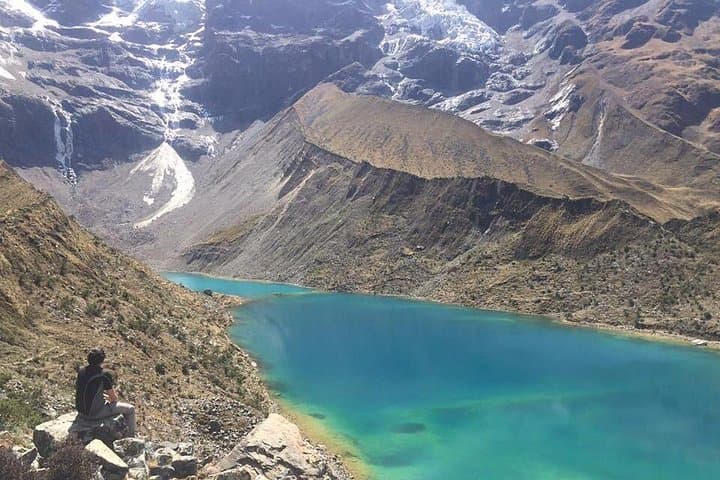
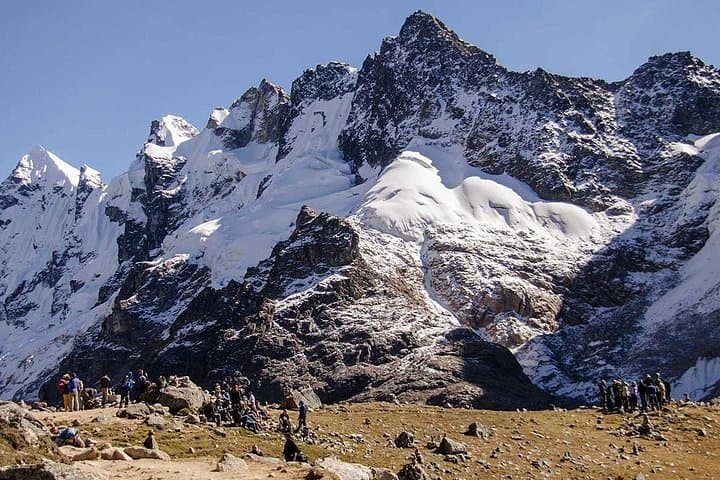
The air at dawn tastes like wet stone and coffee. You leave Cusco before sunrise, climbing into a landscape that shifts from wind-scoured puna to high snowfields and then slides into green cloud forest; glaciers watch as you pass, and rivers dare you to keep pace.
Verified experiences and guided adventures in the surrounding area.
Operated by LIBERTY PERU TRAVEL · Cusco, Cusco
The air at dawn tastes like wet stone and coffee. You leave Cusco before sunrise, climbing into a landscape that shifts from wind-scoured puna to high snowfields and then slides into green cloud forest; glaciers watch as you pass, and rivers dare you to keep pace.
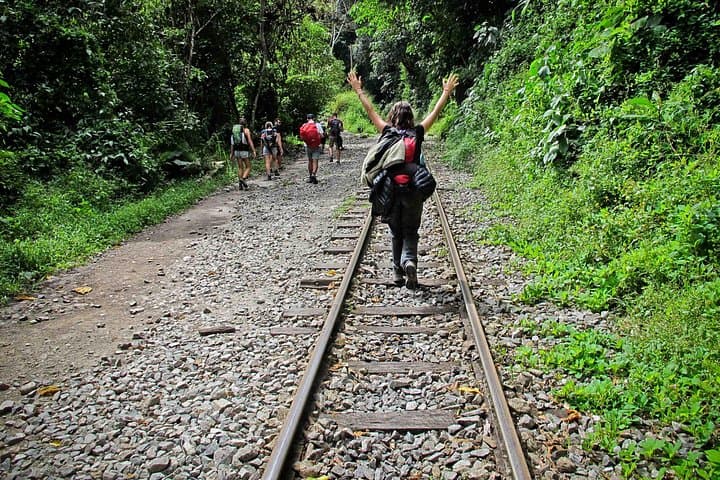
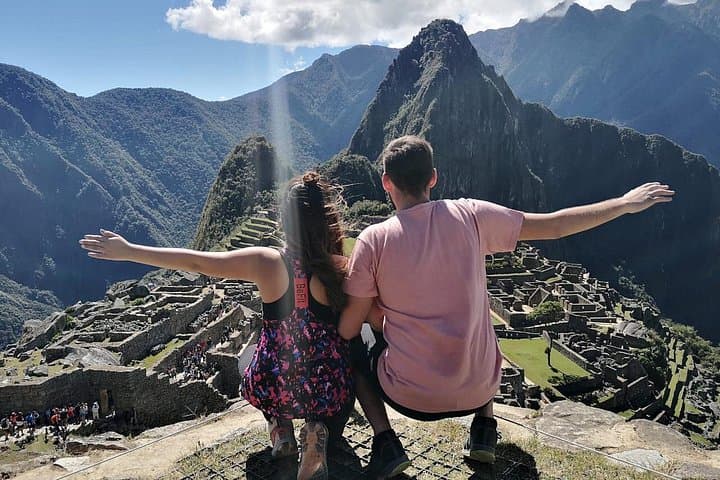
This five-day Salkantay route traces a different line to Machu Picchu than the classic Inca Trail: a high pass at roughly 4,650 m between Salkantay and Tucarhuay, glacier-polished moraine, humid jungle valleys planted with coffee and banana, and the original Inca way past Llactapata where a distant Machu Picchu appears like a secret revealed.
Geologically the Cordillera Vilcabamba is young and sharp — ice-carved peaks and steep river incisions define the route. Culturally you’ll encounter Quechua-speaking communities, alpacas weaving across fields, and the rituals of mountain worship to the Apu Salkantay. Expect wildlife like condors circling the passes and orchids clinging to cloud-forest trunks.
Practical guidance: nights alternate between high camps (Soraypampa ~3,800 m) and lower jungle camping; strong acclimatization and layered clothing are non-negotiable. Daily distances run 12–19 km with long uphill stretches on day two to the pass; average trekking time is 6–9 hours on walking days. The operator provides tents, cooks and horse support; you’ll need comfortable, broken-in boots, a warm sleeping bag rated to -10°C, rain protection and a small daypack.
Start your training with back-to-back long hikes, hydrate and plan for weather swings: sun at mid-day, wind and snowfall at the pass. The payoff is Machu Picchu at the end — arriving by jungle trail after crossing the high Andean spine.
Salkantay is longer and reaches higher altitude (pass ~4,650 m) but lacks the daily packed stone stairways of the Inca Trail; it’s more remote and physically demanding in terms of elevation and day length.
Train travel back from Aguas Calientes and buses up to Machu Picchu are available but should be booked early in high season; operators often include or assist with these logistics.
Yes—symptoms can appear above 3,000 m; acclimatization, hydration, avoiding alcohol and ascending slowly reduce the risk; serious cases require descent and medical care (guides carry oxygen and first aid).
No special government permit is required for the Salkantay route itself, but entry to Machu Picchu requires an official ticket and certain side climbs (Huayna Picchu) require separate permits booked well in advance.
LIBERTY PERU TRAVEL operates guided outdoor trips and adventures with an emphasis on safety, stewardship, and memorable experiences.
The air at dawn tastes like wet stone and coffee. You leave Cusco before sunrise, climbing into a landscape that shifts from wind-scoured puna to high snowfields and then slides into green cloud forest; glaciers watch as you pass, and rivers dare you to keep pace.
The air at dawn tastes like wet stone and coffee. You leave Cusco before sunrise, climbing into a landscape that shifts from wind-scoured puna to high snowfields and then slides into green cloud forest; glaciers watch as you pass, and rivers dare you to keep pace.
This five-day Salkantay route traces a different line to Machu Picchu than the classic Inca Trail: a high pass at roughly 4,650 m between Salkantay and Tucarhuay, glacier-polished moraine, humid jungle valleys planted with coffee and banana, and the original Inca way past Llactapata where a distant Machu Picchu appears like a secret revealed.
Geologically the Cordillera Vilcabamba is young and sharp — ice-carved peaks and steep river incisions define the route. Culturally you’ll encounter Quechua-speaking communities, alpacas weaving across fields, and the rituals of mountain worship to the Apu Salkantay. Expect wildlife like condors circling the passes and orchids clinging to cloud-forest trunks.
Practical guidance: nights alternate between high camps (Soraypampa ~3,800 m) and lower jungle camping; strong acclimatization and layered clothing are non-negotiable. Daily distances run 12–19 km with long uphill stretches on day two to the pass; average trekking time is 6–9 hours on walking days. The operator provides tents, cooks and horse support; you’ll need comfortable, broken-in boots, a warm sleeping bag rated to -10°C, rain protection and a small daypack.
Start your training with back-to-back long hikes, hydrate and plan for weather swings: sun at mid-day, wind and snowfall at the pass. The payoff is Machu Picchu at the end — arriving by jungle trail after crossing the high Andean spine.